
- Home
- Adhesive Tapes
- Self-adhesive Label
- Label Jumbo Roll
- Solutions
- About Us
- News & Insight
- Resources
- Contact Us


Views: 0 Author: Site Editor Publish Time: 2026-02-13 Origin: Site


When preparing for a move, choosing the right sealing material can make the difference between a smooth relocation and damaged belongings. Among the most discussed options today is BOPP Tape, a widely used adhesive solution in logistics, warehousing, and residential moving. But how does BOPP Tape compare to traditional packing tape? Is BOPP Tape really the superior choice for modern moving needs?
With e-commerce growth, rising transportation costs, and increased focus on packaging efficiency, BOPP Tape has gained popularity due to its strength, affordability, and adaptability. This in-depth guide explores BOPP Tape versus standard packing tape, helping you determine which is better for your move while aligning with current packaging trends and user search intent.
Before choosing between BOPP Tape and other packing solutions, it's important to understand the technical and practical considerations that affect performance.
Adhesion is one of the most important factors when selecting BOPP Tape for moving. High-quality BOPP Tape uses strong acrylic adhesive that bonds effectively to corrugated cardboard, recycled cartons, and coated boxes.
Key adhesion considerations include:
Initial tack strength
Long-term holding power
Resistance to dust and humidity
Compatibility with recycled cardboard
BOPP Tape performs particularly well on corrugated surfaces because its adhesive spreads evenly under pressure. In comparison, lower-grade packing tape may lose grip over time, especially in humid environments.
When comparing BOPP Tape with standard packing tape, laboratory peel adhesion tests often show:
| Tape Type | Average Adhesion Strength | Ideal Surface Type | Longevity |
|---|---|---|---|
| BOPP Tape | 4.5–6.0 N/cm | Corrugated boxes | High |
| Standard Packing Tape | 3.0–4.0 N/cm | Smooth cartons | Medium |
Because BOPP Tape maintains stable adhesion under pressure, it is often preferred for shipping heavy items and long-distance moves.
The durability of BOPP Tape largely depends on its backing material. BOPP Tape stands for Biaxially Oriented Polypropylene tape, meaning the film is stretched in two directions to increase tensile strength.
Compared to generic packing tape, BOPP Tape offers:
Higher tensile strength
Better tear resistance
More consistent thickness
Improved clarity for labeling
Thickness is measured in microns. Most BOPP Tape products range from 40 to 65 microns.
| Thickness (Microns) | Recommended Use |
|---|---|
| 40–45μm | Light boxes |
| 48–50μm | Standard moving cartons |
| 60–65μm | Heavy-duty shipping |
Because BOPP Tape is engineered for industrial packaging, it resists splitting when sealing overloaded boxes. This makes BOPP Tape especially useful for movers handling fragile or high-value goods.
Temperature fluctuations can weaken adhesives. A major advantage of BOPP Tape is its temperature stability.
BOPP Tape performs well in:
Cold storage environments
Hot delivery trucks
Humid warehouses
Long-term storage
Standard packing tape may become brittle in cold weather or overly soft in high heat. In contrast, BOPP Tape retains elasticity and bonding strength across a wider temperature range (-10°C to 60°C).
For long-distance moving, especially across climates, BOPP Tape provides greater durability and security.
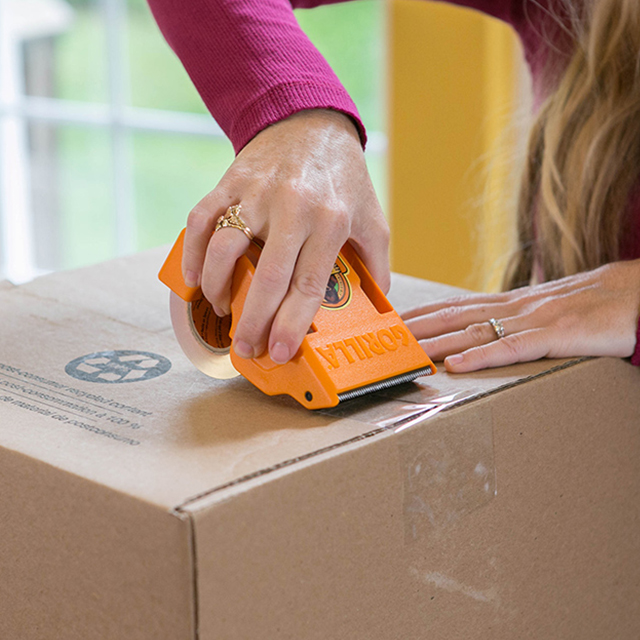
Understanding the different categories helps determine when BOPP Tape is the best option.
BOPP Tape is the industry standard for carton sealing. Due to its biaxially oriented polypropylene backing and strong acrylic adhesive, BOPP Tape is widely used in logistics and e-commerce fulfillment.
Benefits of BOPP Tape include:
High tensile strength
Cost-effective bulk pricing
Custom printing options
Resistance to moisture
Excellent clarity
In today’s packaging market, BOPP Tape accounts for a significant portion of global carton sealing solutions. Businesses prefer BOPP Tape because it combines performance with affordability.
Additionally, eco-conscious manufacturers are developing thinner yet stronger BOPP Tape, reducing plastic consumption while maintaining sealing performance.
For residential moves, BOPP Tape ensures cartons remain sealed during loading, stacking, and unloading. For commercial relocations, BOPP Tape provides tamper resistance and durability.
Traditional packing tape is often used interchangeably with BOPP Tape, but not all packing tape is true BOPP Tape. Some lower-cost options use inferior film or rubber-based adhesives.
Standard packing tape may:
Have inconsistent thickness
Provide weaker adhesion
Tear more easily
Fail under heavy loads
While suitable for light packing tasks, generic packing tape may not offer the same structural reliability as BOPP Tape.
For heavy-duty moving, BOPP Tape typically outperforms regular packing tape in both strength and long-term holding power.
Besides BOPP Tape, there are other alternatives:
Duct tape
Masking tape
Water-activated tape
PVC sealing tape
However, duct tape lacks long-term adhesion to cardboard. Masking tape is too weak for structural sealing. Water-activated tape is strong but less convenient. PVC tape can be durable but often more expensive than BOPP Tape.
When comparing cost-to-performance ratio, BOPP Tape remains one of the most balanced options for moving and shipping.
Even the best BOPP Tape cannot compensate for poor application technique.
To maximize the effectiveness of BOPP Tape, follow the H-seal method:
Seal the center seam
Apply BOPP Tape along both edge seams
Press firmly to activate adhesive
Using sufficient pressure ensures BOPP Tape bonds fully to the carton surface.
For heavy boxes, apply two layers of BOPP Tape. Overlapping strips increases reinforcement.
Professional movers recommend using at least 2–3 inches wide BOPP Tape for optimal performance.
Using BOPP Tape efficiently can reduce moving expenses.
Strategies include:
Buying BOPP Tape in bulk rolls
Choosing correct thickness for box weight
Using tape dispensers to reduce waste
Avoiding overuse of layers
Data analysis shows that using properly selected BOPP Tape thickness can reduce material waste by up to 15%.
Businesses benefit significantly from bulk purchasing BOPP Tape, especially during peak moving seasons.
Common errors when using BOPP Tape include:
Applying BOPP Tape to dusty surfaces
Using thin BOPP Tape for heavy loads
Failing to press BOPP Tape firmly
Storing BOPP Tape in extreme temperatures
Improper storage can reduce the adhesive life of BOPP Tape.
Always store BOPP Tape in a cool, dry environment to maintain performance.
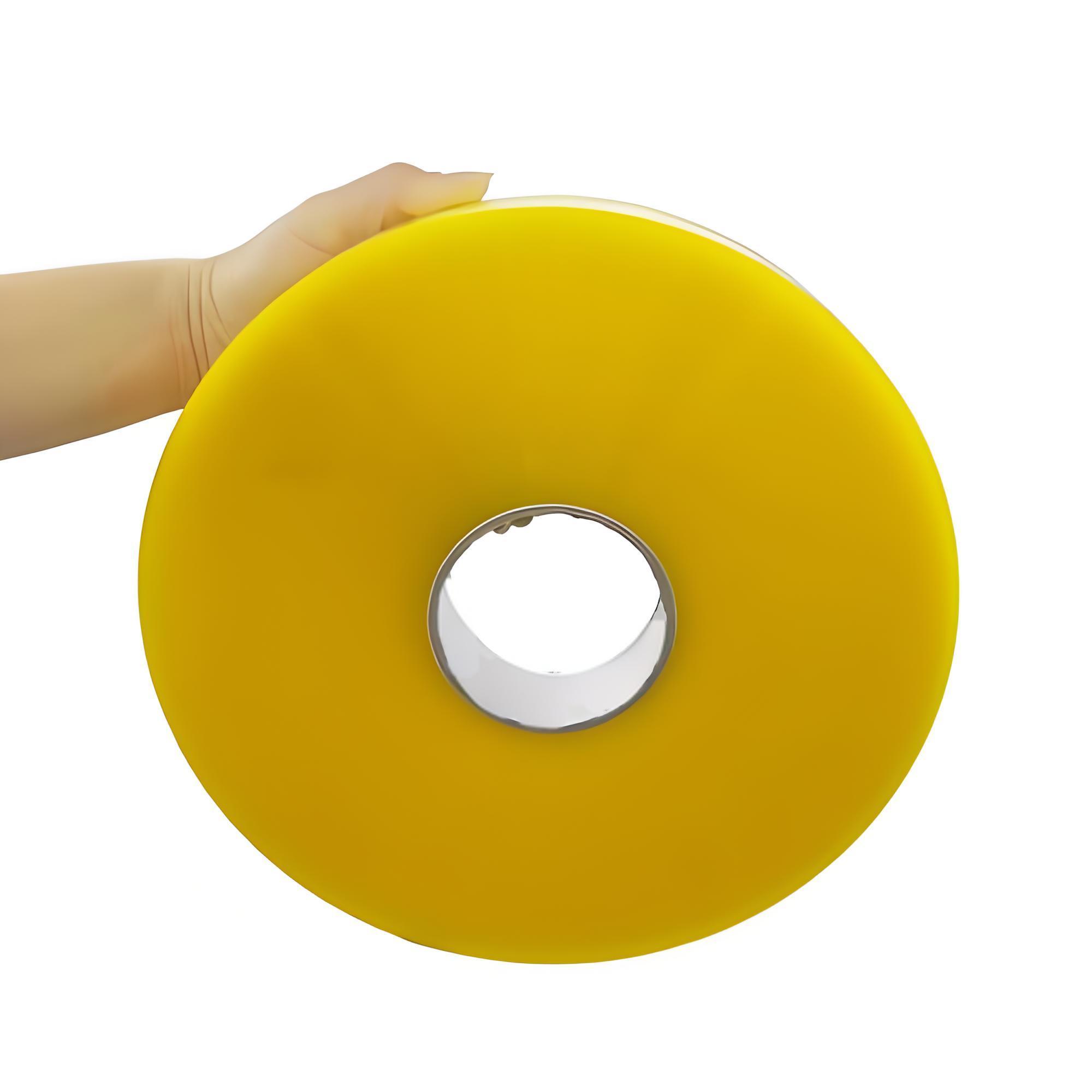
Yes, BOPP Tape typically offers higher tensile strength and better adhesion compared to standard packing tape.
High-thickness BOPP Tape (60–65 microns) is ideal for heavy cartons and industrial shipping.
Quality BOPP Tape maintains adhesion in moderate cold conditions better than many alternatives.
Because BOPP Tape combines durability and affordability, it is often more economical in the long term.
When comparing performance, durability, and cost efficiency, BOPP Tape consistently stands out. While generic packing tape may suffice for lightweight tasks, BOPP Tape provides superior adhesion, structural strength, and temperature resistance.
For residential moves, office relocations, or commercial shipping, BOPP Tape delivers reliable sealing performance. Its biaxially oriented polypropylene backing ensures durability, while its strong adhesive secures cartons during transport.
If your priority is protecting belongings, minimizing box failures, and reducing material waste, BOPP Tape is generally the better choice.
Ultimately, the right decision depends on box weight, storage conditions, and budget. However, in most moving scenarios, BOPP Tape offers the optimal balance between performance and value.


