


The global food packaging industry is evolving rapidly, driven by consumer demand for safety, freshness, convenience, and sustainability. Among the various materials used in flexible packaging, BOPP Film has emerged as one of the most important solutions. Known for its clarity, strength, moisture resistance, and cost efficiency, BOPP Film plays a critical role in protecting food products while enhancing shelf appeal.
Today, manufacturers, distributors, and brand owners rely heavily on BOPP Film to meet performance standards and regulatory requirements. From snack wrappers to frozen food packaging and labeling solutions, BOPP Film is widely used across nearly every segment of the food industry.
This comprehensive guide explores the common uses of BOPP Film in food packaging, analyzes market trends, compares performance with alternative materials, and provides insights aligned with modern Google search intent.
What Is BOPP Film?
BOPP Film stands for biaxially oriented polypropylene film. It is produced by stretching polypropylene in both machine direction (MD) and transverse direction (TD), significantly enhancing tensile strength, transparency, and barrier properties.
Key characteristics of BOPP Film include:
High tensile strength
Excellent clarity and gloss
Superior moisture barrier
Good chemical resistance
Lightweight structure
Cost-effectiveness
Because of these properties, BOPP Film has become a dominant material in flexible food packaging applications worldwide.
Why BOPP Film Is Preferred in the Food Packaging Industry
1. Excellent Moisture Barrier
Food products such as snacks, cereals, and baked goods are highly sensitive to moisture. BOPP Film offers excellent resistance to water vapor transmission, helping extend shelf life and maintain product texture.
Compared to alternative materials, BOPP Film provides a better moisture barrier at a lower cost.
| Material | Moisture Barrier | Cost Efficiency | Clarity |
|---|---|---|---|
| BOPP Film | Excellent | High | High |
| PET Film | Moderate | Medium | High |
| PVC Film | Low | Medium | Moderate |
This data clearly shows why BOPP Film dominates snack and dry food packaging.
2. High Transparency and Shelf Appeal
Modern consumers prefer visible packaging. The high clarity of BOPP Film enhances product visibility and branding. Glossy finishes make products look premium on retail shelves.
Metallized and printed BOPP Film variants further enhance branding opportunities while maintaining protective performance.
3. Strength and Durability
The biaxial orientation process gives BOPP Film superior tensile strength and puncture resistance. This ensures packaging integrity during transportation and storage.
High durability reduces packaging failure rates, protecting food products from contamination and damage.
4. Compatibility with High-Speed Packaging Lines
Automation is a key trend in food manufacturing. BOPP Film is compatible with high-speed packaging machinery, enabling efficient large-scale production.
Its consistent thickness and sealing properties reduce machine downtime and waste.
Common Uses of BOPP Film in Food Packaging
1. Snack Food Packaging
One of the most widespread applications of BOPP Film is in snack packaging. Potato chips, popcorn, nuts, and extruded snacks rely on BOPP Film for moisture protection and durability.
Often, BOPP Film is laminated with metallized layers to improve oxygen barrier properties. This combination helps preserve crispness and flavor.
Advantages in snack packaging:
Moisture resistance
Puncture strength
Printable surface for branding
Lightweight structure
2. Bakery and Confectionery Packaging
Bread, biscuits, cakes, and candy products commonly use BOPP Film due to its flexibility and clarity. Heat-sealable grades of BOPP Film enable efficient wrapping processes.
Anti-fog BOPP Film variants are especially useful for fresh baked goods displayed in refrigerated sections.
3. Frozen Food Packaging
Frozen foods require packaging materials that withstand low temperatures. Specially treated BOPP Film maintains flexibility and strength in freezing environments.
Because BOPP Film resists brittleness at low temperatures, it prevents cracking and maintains package integrity during storage and transport.
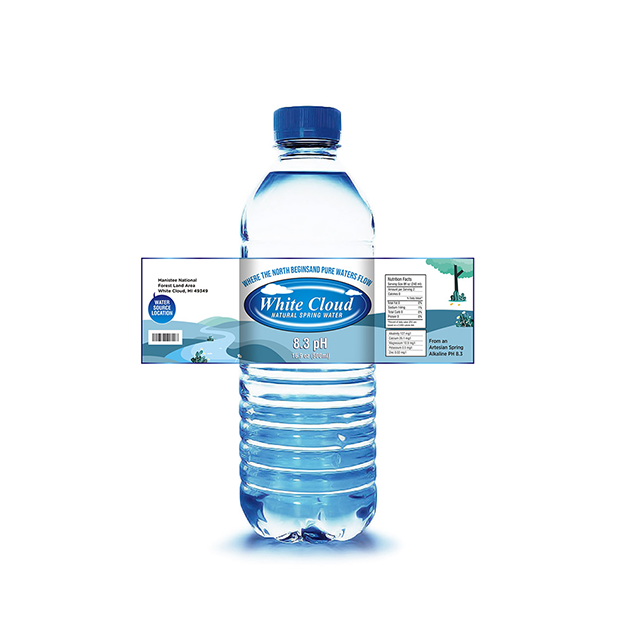
4. Fresh Produce Labels
Pressure-sensitive labels made from BOPP Film are commonly applied to fruits and vegetables. These labels must withstand humidity, refrigeration, and handling.
Benefits include:
Waterproof properties
Strong adhesion compatibility
Tear resistance
Print durability
5. Ready-to-Eat Meal Packaging
With the rise of convenience foods, ready-to-eat meal packaging has grown significantly. BOPP Film is used in flexible pouches and outer wraps.
Its ability to be laminated with other barrier materials allows customized performance depending on product needs.
6. Tea and Coffee Packaging
Aromatic products like tea and coffee require strong barrier protection. Metallized BOPP Film helps retain aroma and prevent moisture ingress.
The lightweight structure of BOPP Film also reduces shipping costs compared to rigid packaging materials.
Types of BOPP Film Used in Food Packaging
There are several specialized types of BOPP Film, each designed for specific applications.
Transparent BOPP Film
High clarity
Suitable for visible packaging
Common in snack and bakery products
Metallized BOPP Film
Enhanced oxygen barrier
Light protection
Used in chips and confectionery packaging
Pearlized BOPP Film
Opaque appearance
Improved stiffness
Premium branding effect
Matte BOPP Film
Non-gloss finish
Elegant packaging design
Used for high-end food brands
Heat-Sealable BOPP Film
Strong sealing performance
Compatible with automated machines
Used for flow wrapping
Each variation of BOPP Film addresses specific performance requirements in the food packaging industry.
Advantages of BOPP Film for Brand Owners
Brand owners benefit from BOPP Film in multiple ways:
Enhanced shelf visibility
Customizable printing
Strong mechanical protection
Lightweight logistics
Cost control
Sustainability alignment
With consumers increasingly judging products based on packaging quality, the use of premium BOPP Film enhances brand perception.
Future Outlook of BOPP Film in Food Packaging
Looking ahead, BOPP Film will continue to dominate due to technological innovation and sustainability improvements.
Emerging trends include:
Bio-based polypropylene materials
High-barrier coatings on BOPP Film
Smart packaging integration
Anti-microbial film treatments
As global food consumption increases, demand for durable and lightweight packaging solutions like BOPP Film is expected to rise steadily.
FAQs
What makes BOPP Film suitable for food packaging?
BOPP Film offers excellent moisture resistance, clarity, strength, and cost efficiency, making it ideal for snacks, bakery goods, frozen foods, and labels.
Is BOPP Film safe for food contact?
Yes, food-grade BOPP Film complies with international food safety regulations and is widely used for direct food packaging.
How does BOPP Film compare to PET film?
While PET film offers higher heat resistance, BOPP Film provides better moisture protection and cost efficiency, making it more suitable for many dry food applications.
Can BOPP Film be recycled?
Yes, BOPP Film is polypropylene-based and can be recycled in appropriate recycling streams, depending on regional facilities.
Why is BOPP Film popular in snack packaging?
The moisture barrier, puncture resistance, and printability of BOPP Film make it ideal for preserving snack freshness and enhancing shelf appeal.
In conclusion, BOPP Film has become an essential material in the modern food packaging industry. Its balance of performance, affordability, and sustainability makes it the preferred choice for manufacturers worldwide. As technology advances and environmental awareness increases, BOPP Film will continue to play a central role in shaping the future of food packaging.


