
- Home
- Adhesive Tapes
- Self-adhesive Label
- Label Jumbo Roll
- Solutions
- About Us
- News & Insight
- Resources
- Contact Us

Views: 0 Author: Site Editor Publish Time: 2026-09-25 Origin: Site


Sustainability is no longer just a marketing buzzword. Corporate ESG mandates require businesses to fundamentally rethink their packaging strategies. Finding materials conforming to these green criteria without failing on the production line is a massive challenge. Procurement teams face a difficult tension today. You must shift to sustainable packaging. However, operational realities demand zero compromise on adhesion, printability, and durability. Vague eco-friendly claims often break down when exposed to real-world friction, moisture, or cold chain logistics. This guide moves beyond green marketing fluff to evaluate true commercial viability. We will explore facestock selection, adhesive compatibility, and end-of-life disposal realities for your packaging. Read on to discover how to align your materials with global compliance standards. You will learn to secure supply chain reliability while meeting strict environmental goals.
Sustainable label selection requires matching the facestock (e.g., PCR, bio-based, or FSC-certified) to the specific disposal stream of the primary packaging.
Eco-friendly adhesives often have different shelf-life and temperature limitations compared to traditional acrylic or rubber-based glues.
Validating compliance (FDA, FSC, EN 13432) prevents greenwashing risks and ensures global market access.
Pilot testing on actual substrate surfaces under operational conditions (cold chain, high friction, oil exposure) is a mandatory procurement step.
Modern packaging requires a delicate balance between green initiatives and rigorous performance demands. Using a Self-adhesive Label involves complex chemistry. The adhesive, facestock, and liner must all perform seamlessly together. Understanding this chemistry prevents costly operational failures on your manufacturing line.
Vague "eco-friendly" claims consistently fail in modern procurement. You cannot rely on marketing buzzwords to satisfy strict ESG reporting. Buyers must define clear objectives before sourcing materials. Are you aiming for recyclability, compostability, or a reduced carbon footprint? Each goal demands a unique material approach.
If you seek compostability, you must verify compliance against recognized frameworks. The EN 13432 standard represents a crucial benchmark in Europe. This standard ensures materials break down in industrial composting facilities within a specific timeframe. Without such validation, companies risk severe greenwashing accusations. Regulators and consumers scrutinize sustainability claims heavily today. Always demand formal certifications from your suppliers.
Many buyers mistakenly assume a product labeled "biodegradable" will easily compost in a landfill. It will not. Landfills lack the oxygen and microbes needed for rapid breakdown. You must understand the exact disposal environment your product will enter. Only then can you specify the correct facestock and adhesive combination.
Best Practice: Request a complete chain-of-custody document from your label manufacturer. This documentation provides undeniable proof of the material's origin and end-of-life capabilities.
Many operators harbor deep skepticism toward bio-based or water-washable adhesives. Early iterations of these eco-friendly glues often failed on difficult surfaces. Low-surface-energy (LSE) plastics, like HDPE, repel traditional sustainable adhesives. Condensation-heavy environments also cause premature peeling. Cold chain logistics test the absolute limits of any adhesive bond.
Modern sustainable adhesives have evolved significantly. You can now source high-performance bio-adhesives engineered for these exact challenges. However, eco-friendly adhesives often exhibit different shelf-life limitations compared to traditional acrylic or rubber-based glues. They might also require tighter temperature controls during storage and application. Operators must review technical data sheets carefully.
A high-tack bio-adhesive might perform perfectly at room temperature. It could fail entirely in a freezer facility. Formulations relying on natural rubber or plant-based resins react uniquely to humidity. You must map the entire thermal journey of your product.
Common Mistake: Applying a bio-adhesive to a cold, wet bottle directly out of a refrigeration unit. Always ensure the substrate is dry during the initial application phase to guarantee a permanent bond.
We must view packaging holistically. A green facestock means nothing if it contaminates the primary container's recycling stream. This principle is known as the "total package concept." The Association of Plastic Recyclers (APR) provides strict guidelines on material compatibility.
You must complement the underlying bottle or jar. For example, applying a PVC material to a PET bottle destroys the PET recycling batch. Recyclers cannot separate the mixed plastics efficiently. You must match a PET facestock with a PET bottle. Alternatively, you can use specialized wash-off adhesives.
These innovative glues release their bond completely in a hot caustic wash. The facestock floats to the top of the recycling vat. The valuable PET flakes sink to the bottom. This clean separation ensures high-quality recycled plastic. Failing to align your materials guarantees your packaging will end up in a landfill.
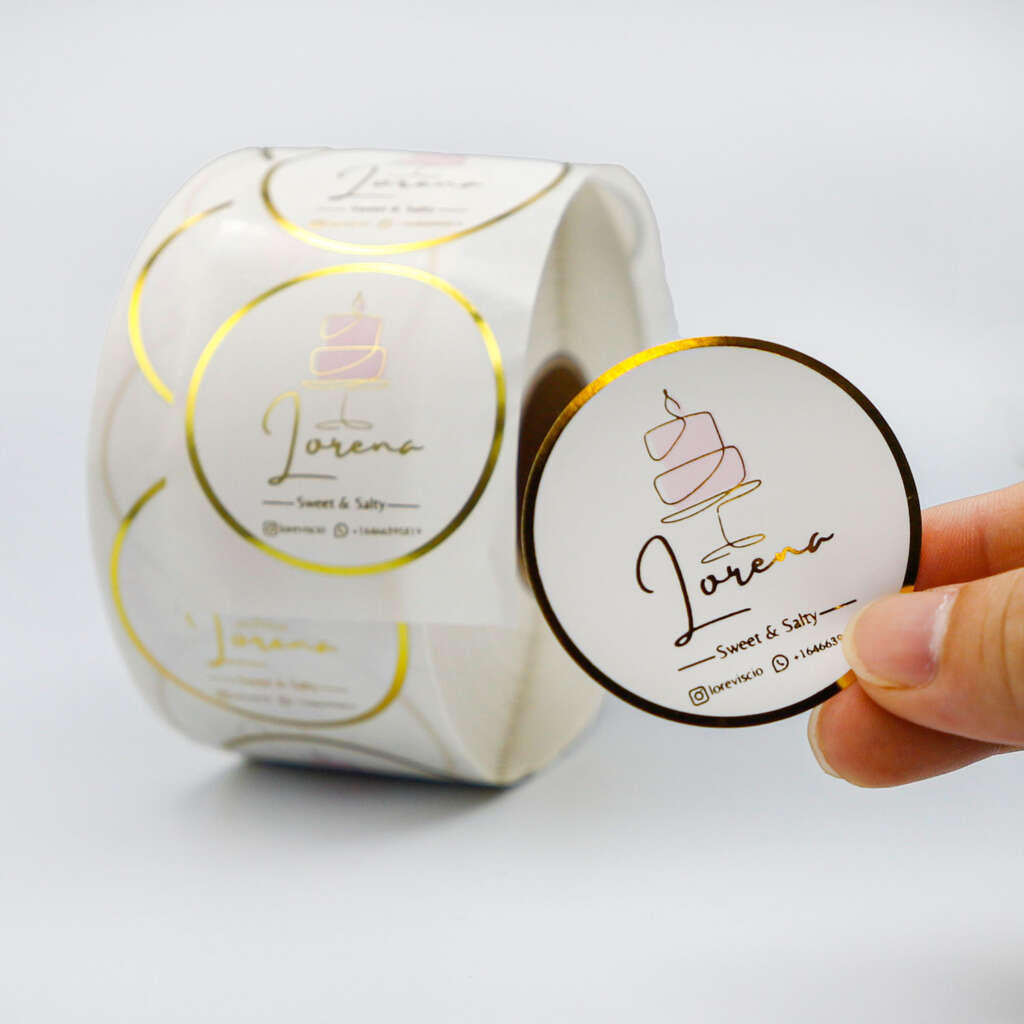
Material choice defines application success. You must pair the facestock to your specific manufacturing environment. Different industries require distinct physical properties to maintain brand integrity throughout the supply chain.
Paper represents the traditional starting point for sustainable packaging. You should prioritize FSC-certified sourcing. This certification guarantees the wood pulp originates from responsibly managed forests. Buyers can choose between uncoated and coated options. Uncoated textures offer a natural, rustic appearance. They boast a high compostability potential.
Many premium brands prefer uncoated paper for its tactile feel. It excels in dry environments, logistics, and secondary packaging. High-end glass bottles for wine and spirits frequently utilize thick, textured paper. However, paper has distinct physical limitations. It remains highly vulnerable to moisture and high friction.
You cannot use it in a shower environment without heavy lamination. Unfortunately, adding non-eco-friendly lamination destroys the compostability profile. You must balance the need for durability against your end-of-life disposal goals. Selecting a pure Paper Label requires careful consideration of the product's entire lifecycle journey. If your product faces heavy scuffing during transit, standard paper will degrade unacceptably.
Polyethylene (PE) dominates the flexible packaging sector. Traditional PE relies heavily on fossil fuels. Sustainable alternatives now offer comparable performance metrics. You can specify bio-PE derived from renewable resources like sugarcane. The sugarcane captures carbon dioxide during its growth phase. This significantly lowers the material's overall carbon footprint.
Another excellent alternative involves Post-Consumer Recycled (PCR) content. PCR films repurpose existing plastic waste. Both options maintain the core physical properties of standard PE. They remain highly conformable and flexible. This makes them the definitive choice for squeezable tubes, personal care products, and cosmetics.
When a consumer squeezes a lotion tube, the facestock must stretch without wrinkling. A PE Film Label handles this mechanical stress effortlessly. It bounces back to its original shape. Ensure your supplier validates the exact percentage of PCR content. Transparency prevents compliance issues later in the distribution cycle.
Polypropylene (PP) provides exceptional toughness. It bridges the gap between traditional aesthetics and modern film durability. It offers high resistance to water, oil, and harsh chemicals. Unlike traditional wood-pulp materials, it achieves this tear resistance entirely synthetically. This rugged nature makes it ideal for demanding environments.
You will see it frequently on rigid food packaging, chilled deli containers, and household chemical bottles. Furthermore, it aligns perfectly with PP container recycling streams. When you pair it with a PP bottle, the entire unit processes cleanly through recycling facilities. A PP Synthetic Paper Label resists smudging even when exposed to greasy contents.
It survives the harsh conditions of cold chain logistics without peeling or degrading. Operators favor this material when printing variable data. Thermal transfer ribbons adhere beautifully to its smooth surface. This ensures barcodes remain scannable from the warehouse to the retail shelf.
Polyethylene Terephthalate (PET) is the global standard for high-clarity applications. Sustainable variants now include PCR-PET. Utilizing PCR-PET directly supports the circular economy of plastics. You can also deploy specialized wash-off PET solutions. These systems facilitate the perfect recycling of primary PET containers.
The material exhibits outstanding temperature resistance. It withstands harsh chemicals, UV exposure, and heavy industrial handling. This durability makes it the undisputed choice for beverage bottles and durable goods. A pristine "no-label look" is easily achievable with clear PET.
When applying a PET Film Label, operators benefit from excellent die-cutting speeds. The stiff facestock dispenses smoothly on high-speed automated lines. It rarely jams in applicator machinery. This keeps production metrics high while simultaneously satisfying corporate ESG targets.
Theoretical compatibility means nothing without physical proof. You must conduct rigorous pilot testing before finalizing any procurement contract. Follow these steps to ensure operational success:
Substrate Verification: Apply the sample directly to your production-grade containers, not flat test panels.
Environmental Stress: Expose the applied samples to your exact storage conditions (e.g., 48 hours in a commercial freezer).
Friction Simulation: Run the containers through your standard packaging and conveying lines to check for scuffing.
Dispensing Speed Check: Thread the sample rolls onto your automated applicators to verify backing liner strength and tension tolerance.
End-of-Life Validation: Send applied samples to your local recycling or composting partner for a formal breakdown assessment.
Table: Substrate Matching and Environmental Performance Summary
Material Category | Primary Eco-Benefit | Best Substrate Match | Durability & Resistance |
|---|---|---|---|
FSC-Certified Paper | Compostable, Renewable source | Glass, Cardboard | Low moisture resistance, low friction tolerance |
Bio-Based / PCR PE | Carbon reduction, Waste diversion | PE tubes, flexible containers | High flexibility, moderate chemical resistance |
PCR PP Synthetic | Recycling stream alignment | PP rigid containers | High water, oil, and tear resistance |
Wash-Off PET | Circular economy enabler | PET beverage bottles | Extreme temperature and chemical resistance |
Transitioning to sustainable packaging materials requires strategic alignment across your entire supply chain. You can no longer treat facestocks and adhesives as afterthoughts. By critically evaluating material properties against your physical application environment, you protect both your brand integrity and the planet. Take these immediate next steps to optimize your sourcing strategy:
Audit your primary packaging materials to establish a strict baseline for recycling compatibility.
Demand certified documentation for all PCR, FSC, or bio-based claims from your prospective suppliers.
Execute rigorous environmental stress tests on all new adhesive formulations under real-world conditions.
Prioritize mono-material packaging designs to streamline end-of-life sorting and recovery processes.
A: Yes, provided you select the correct adhesive formula. Standard eco-adhesives might fail in freezing temperatures. You must specify freezer-grade sustainable glues. Conduct thorough operational testing inside your actual refrigeration units prior to full procurement.
A: PCR (Post-Consumer Recycled) materials repurpose existing consumer plastic waste. Bio-based plastics are derived from renewable agricultural resources like sugarcane. Both significantly reduce reliance on virgin fossil fuels. However, they originate from entirely different supply chain streams.
A: Wash-off adhesives release their chemical bond when exposed to hot water baths in recycling facilities. This allows the facestock to separate cleanly from the primary container. It prevents cross-contamination and yields high-quality recycled plastic flakes.
A: They can be if improperly matched to your equipment. Thinner PCR films or heavily textured uncoated papers require precise tension adjustments on your printing and dispensing lines. Pilot testing ensures smooth automated application without costly downtime.
A: Generally, no. Applying a standard plastic lamination to an FSC-certified paper destroys its ability to break down in industrial composters. If you require water resistance, you must explore certified compostable coatings or switch to a recyclable mono-material film.


