
- Home
- Adhesive Tapes
- Self-adhesive Label
- Label Jumbo Roll
- Solutions
- About Us
- News & Insight
- Resources
- Contact Us


Views: 0 Author: Site Editor Publish Time: 2026-06-21 Origin: Site


Outdoor products face harsh realities every single day in the field. They must endure intense UV degradation, relentless moisture, and wild temperature fluctuations. A failed sticker quickly means lost brand identity, serious compliance issues, or completely untrackable business assets. Many modern packaging materials claim high durability on their specification sheets. However, matching the exactly right substrate and adhesive combination to specific environmental stressors remains absolutely critical for success. If you pick incorrectly, the elements will destroy your barcode or logo within months.
This comprehensive guide breaks down exactly how you can evaluate and select the correct polypropylene film configurations. You will learn how to guarantee long-term outdoor performance effectively. We will show you how to build a resilient construction without overspending on unnecessary specifications. Let us explore the right approach to material selection.
"Water-resistant" is insufficient for outdoor exposure; true waterproof performance requires a specialized PP Film Label paired with waterproof adhesives.
Polypropylene (PP/BOPP) offers the best balance of flexibility, moisture resistance, and cost-effectiveness for most outdoor applications compared to paper or rigid PET.
Label failure is rarely the film itself—it is usually mismatched ink, lack of UV lamination, or improper surface application.
Requesting application-specific samples and testing them in real-world conditions is a mandatory step before bulk procurement.
Brands often underestimate the operational risks linked to poor material selection. Bad tags peel, fade, or bleed. This creates massive headaches for operators. Imagine a chemical drum sitting in a rainy storage yard. If the hazard warnings wash away, you face severe safety violations. Consider expensive construction equipment. If the serial number degrades, tracking those assets becomes impossible. Retail products also suffer. Cosmetic bottles stored in humid environments look terrible if their branding wrinkles.
You must understand the strict boundary separating different performance tiers. A water-resistant tag survives a brief splash. It handles a quick wipe down. However, it fails during heavy storms. A true Waterproof Label withstands prolonged rain, full submersion, and high humidity. It maintains absolute structural integrity under these harsh conditions.
We constantly hear complaints from business buyers and everyday consumers. IT administrators routinely struggle to scan faded asset barcodes on outdoor hardware. Manufacturers regularly deal with customer returns simply because product instructions vanished in the rain. Selecting a subpar material causes a direct hit to your brand reputation. Investing upfront in the correct substrate eliminates these entirely preventable headaches.
Material science dictates how packaging behaves outside. A PP Film Label uses a thermoplastic polymer base. This plastic naturally repels liquid and oils. Manufacturers often stretch this material in two directions during production. This specific process creates Biaxially Oriented Polypropylene (BOPP). BOPP provides exceptional tensile strength. It resists tearing perfectly.
You must compare polypropylene against common alternatives to understand its dominance. Paper absorbs moisture instantly. It wrinkles, degrades, and grows mold. Polypropylene offers zero moisture absorption. Polyester (PET) represents another common plastic option. PET handles extreme heat slightly better than polypropylene. However, PET feels very rigid. Polypropylene remains highly flexible. This flexibility matters greatly. It wraps easily around curved surfaces like bottles or metal cylinders. Polypropylene also costs noticeably less than rigid polyester.
A successful deployment requires balancing several physical factors. You need high tear resistance. You need optimal flexibility for the application surface. You also need proper surface energy. High surface energy ensures the ink actually sticks to the plastic. If you ignore these criteria, your project will fail.
Material Selection Comparison Table | |||
Material Type | Moisture Resistance | Flexibility | Ideal Outdoor Use Case |
|---|---|---|---|
Standard Paper | Poor (Absorbs quickly) | Medium | None (Indoor only) |
Polypropylene (PP) | Excellent (Zero absorption) | High | Curved surfaces, bottles, drums |
Polyester (PET) | Excellent (Zero absorption) | Low (Very rigid) | Flat metal plates, high-heat engines |
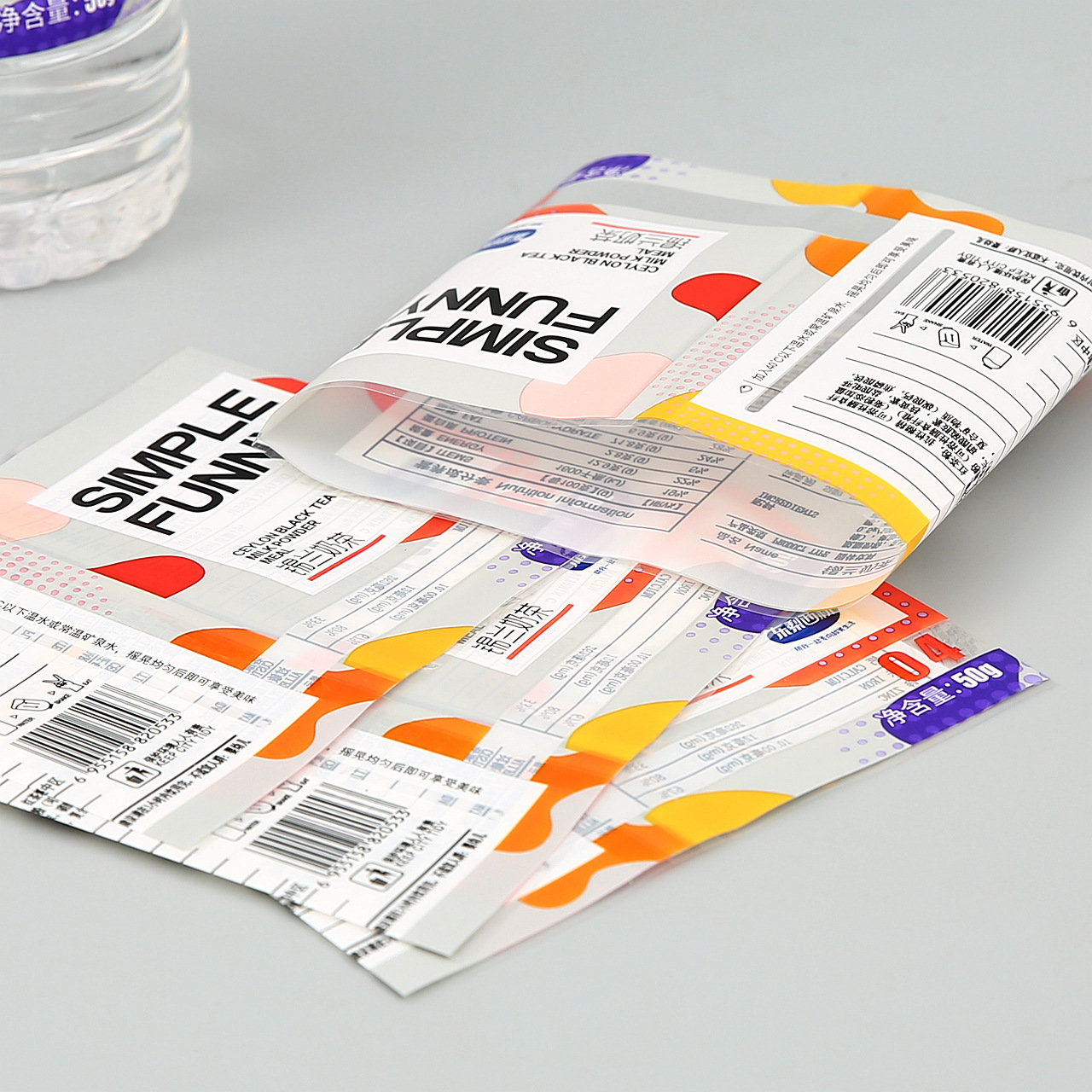
A strong plastic base represents only one piece of the puzzle. You must evaluate the adhesive, the ink, and the topcoat. These elements work together. They form a cohesive protective barrier.
Adhesive selection dictates lifespan. Many buyers accidentally choose rubber-based adhesives. Rubber provides a great initial stick. Unfortunately, it degrades rapidly under ultraviolet light. We strongly recommend permanent acrylic adhesives for outdoor use. Acrylic handles UV rays beautifully. It resists oxidation over years of exposure. If your product touches harsh chemicals or saltwater, you must upgrade. Look for marine-grade standards. The BS5609 certification guarantees the glue survives long-term saltwater submersion.
Adhesive Selection Chart | |||
Adhesive Chemistry | UV Resistance | Moisture Resistance | Best Application |
|---|---|---|---|
Rubber-based | Low (Turns yellow/brittle) | Moderate | Indoor cardboard boxes |
Standard Acrylic | High (Remains clear) | High | General outdoor equipment |
Marine-Grade Acrylic | Very High | Extreme (Submersion safe) | Chemical drums, boats |
Ink durability requires equal attention. Standard water-based inks fail immediately outside. Rain literally washes them away. You must utilize industrial printing methods. Thermal transfer printing uses heated resin ribbons. The printer melts the resin directly into the plastic surface. This creates a highly durable image. Alternatively, UV inkjet printing cures the liquid ink instantly using ultraviolet light. Both methods provide excellent fade resistance against harsh sunlight.
Finally, protective coatings seal the deal. Polypropylene alone is only half the solution. Physical scuffing destroys printed text. A UV-resistant clear overlaminate solves this problem. You can choose a gloss or matte finish. The laminate covers the printed layer. It locks the ink safely inside. This prevents scratches and drastically slows down color fading.
Even the best materials fail if you apply them incorrectly. Most failures happen during the initial bonding phase. You must control the application environment. We see three specific pitfalls repeatedly.
Application Temperature vs. Service Temperature: You might need a tag to survive in a freezing, wet yard. This defines the service temperature. However, you cannot apply the sticker in those conditions. The application temperature must meet specific minimums. Substrates must remain clean and completely dry during initial application. The glue requires a curing period. Usually, this takes about 24 to 48 hours. Once fully cured, the bond withstands extreme weather easily.
Surface Tension Compatibility: Plastics differ significantly. Low-surface-energy (LSE) plastics resist adhesives. Think of a freshly waxed car hood. Water beads up and rolls off. LSE surfaces act similarly toward glue. Powder-coated metals and molded outdoor containers commonly feature low surface energy. Regular acrylic glue will peel off these items. You must specify high-tack adhesives specifically formulated for LSE surfaces.
Design Considerations: Artwork design directly impacts physical durability. Many designers love full-bleed printing. They run the ink all the way to the very edge. This creates a massive problem. The ink layer prevents the protective overlaminate from sealing against the base plastic. Water eventually creeps under the edge. This process is called edge-wicking. To prevent this, always leave a small unprinted border. Let the laminate seal directly to the bare plastic edge.
By understanding these physical interactions, you prevent costly rework. Always clean the target surface. Always verify the plastic type. Always check the artwork borders.
Finding the right vendor guarantees a successful project. You should never buy these items blindly off the internet. A true partner engineers a solution for your exact needs. Use this checklist to evaluate potential suppliers.
Customization Capabilities: Ask the vendor about their adhesive inventory. Can they match specific glue coats to your exact outdoor substrate? They need to know if you are applying the product to metal, rough plastic, or smooth glass.
Sample Testing Protocol: Demand physical material samples. A reliable partner gladly sends a sample pack. Once received, perform a 72-hour submersion test. Expose the samples to direct UV light. Stick them to your actual product. See how they react before committing money.
Scale and Tooling: Discuss their printing technology. Evaluate Minimum Order Quantities (MOQs). If you have hundreds of different SKUs, digital printing makes sense. It requires no physical plates. If you need millions of identical stickers, flexographic printing drastically lowers the unit price.
Next-Step Action: Prepare a detailed specification sheet. Send your printer the exact dimensions. Tell them the application surface material. Define the expected service temperature range. State your minimum lifespan requirement clearly. This guarantees an accurate quote.
Taking these steps removes the guesswork. You eliminate surprise failures. You protect your brand integrity efficiently.
Selecting reliable outdoor packaging requires detailed attention. You must look far past the base material. You have to consider the entire construction. The film, ink, laminate, and adhesive all work as a single unit. If one component fails, the entire piece fails. You should now understand why paper and rubber adhesives belong indoors. You also know how to prevent edge-wicking and curing failures.
We strongly recommend prioritizing suppliers who offer consultative testing. Avoid vendors who just push standard off-the-shelf rolls. A custom solution always outperforms a generic one outdoors. Reach out to a dedicated packaging engineer today. Request a custom sample pack. Test the materials thoroughly on your own equipment. Protect your assets effectively against the elements.
A: No. Standard inkjet inks will smudge instantly when wet. Laser printing requires specific heat-stabilized sheets, otherwise the plastic melts inside the machine. Commercial outdoor tags require specialized thermal transfer resin ribbons or professional UV-cured inks for true durability.
A: The plastic film itself remains highly durable for years. However, standard inks often fade in just 3 to 6 months. By utilizing UV-resistant inks and a thick UV overlaminate, the lifespan extends to 1 to 3 years or more, depending on geographical sun intensity.
A: BOPP stands for Biaxially Oriented Polypropylene. It represents a specific manufacturing method where the plastic film stretches in two directions. This stretching increases tensile strength. It is the most common and structurally sound version of polypropylene used in packaging.
A: Marine-grade adhesives normally hold BS5609 certification. Laboratories test them rigorously to survive months of continuous saltwater submersion and severe physical abrasion. Standard waterproof adhesives comfortably handle rain, high humidity, and regular washing, but they cannot survive prolonged ocean submersion.


