
- Home
- Adhesive Tapes
- Self-adhesive Label
- Label Jumbo Roll
- Solutions
- About Us
- News & Insight
- Resources
- Contact Us


Views: 0 Author: Site Editor Publish Time: 2026-06-12 Origin: Site


Choosing the wrong material creates disastrous operational and brand risks. Imagine batches of products peeling inside commercial freezers. Picture vibrant ink bleeding completely after minor oil exposure. Failing stringent compliance audits due to improper materials severely damages consumer trust. Operational mistakes like these waste significant production budgets instantly.
Food manufacturers frequently default to synthetic materials like BOPP or vinyl for durability. Synthetics certainly offer robust protection. However, they carry higher price tags and heavier environmental footprints. A properly specified Paper Label provides unmatched advantages. It delivers superior cost-efficiency, genuine sustainability, and premium artisanal branding.
You need a pragmatic framework to evaluate materials effectively. This guide helps you navigate adhesives, finishes, and application methods. We detail how to secure the exact Food Packaging Label required for your specific product. You will learn to manage environmental resilience, ensure strict FDA compliance, and optimize formatting choices for automated production lines.
Paper labels offer a cost-effective, sustainable, and highly customizable solution, but require precise alignment with storage environments (e.g., dry goods vs. cold chain).
Selecting the right finish (uncoated, coated, or textured) dictates both brand perception and baseline oil/moisture resistance.
Adhesive specification is non-negotiable; factors like freezer storage and FDA compliance (direct vs. indirect contact) drive the technical requirements.
Testing application methods (roll vs. cut-to-size) and environmental stressors prior to bulk ordering mitigates rollout risks and waste.
Food manufacturers must balance unit economics alongside shelf appeal and physical environmental realities. Margins remain notoriously tight across the grocery sector. Brands need packaging looking vibrant and intact on retail shelves. Simultaneously, procurement teams face constant pressure to reduce overhead expenses wherever possible. Material selection sits directly at this intersection of cost and marketing.
The economic advantage of paper over synthetic films becomes undeniable during high-volume production runs. Procurement managers often see significant per-unit savings when transitioning away from vinyl or BOPP. You stretch marketing budgets further. We must note transparently, however, that standard paper inherently absorbs liquids. It is not waterproof out of the box. You trade raw durability for financial efficiency and must engineer secondary solutions to bridge any performance gaps.
Consumers increasingly demand environmentally conscious choices. They equate textured or kraft materials to organic, artisanal, or eco-friendly foods. A natural aesthetic instantly communicates premium quality. It signals authenticity before the customer even reads the ingredient list. Leveraging this psychological association builds immediate brand equity.
Review this quick qualification checklist to determine if you should proceed:
Choose paper if: You operate in dry storage environments. Your product has a short shelf-life. You focus heavily on eco-brand messaging. You require extensive hand-written date coding.
Reconsider if: Retailers submerge the product in ice buckets. The contents expose the exterior to heavy oil spills. The container faces harsh outdoor weathering. The transit process involves extreme friction environments.
Uncoated options strip away protective layers to expose raw fibers. This category works best for dry goods, baked items, coffee bags, and organic branding. Consumers love the rustic, natural aesthetic. It feels authentic and minimal.
From an evaluation standpoint, uncoated surfaces remain highly writable and extremely porous. You can easily stamp expiration dates or hand-write batch numbers directly onto the surface. However, a major caveat exists. Uncoated materials offer absolutely zero resistance to oil or moisture without secondary treatments. Heavy condensation ruins unprotected ink instantly. You should never apply uncoated materials to refrigerated goods without adding protective varnishes.
Manufacturers apply a specialized clay coating over the base material. Coated options perform best for refrigerated jars, bottled sauces, and general grocery items. They represent the industry standard for retail environments.
Coated layers provide a reliable barrier against standard condensation. They handle minor handling abrasions effectively during shipping. The smooth surface enhances color vibrancy significantly. This makes product artwork pop under harsh supermarket lighting. Gloss finishes suit vivid, high-energy graphics. Matte finishes suit modern, muted, and sophisticated design languages.
Estate options deliver a deeply tactile, high-end experience. They fit perfectly on premium wines, specialty cheeses, and gourmet artisan foods. The physical texture elevates perceived product value immediately.
This category often features a crucial technical capability called "wet strength." Wet strength means the structural fibers resist degrading when damp. The material holds together beautifully inside ice buckets or damp cellars. Expect a higher unit cost for this performance. The investment pays off through elevated brand positioning.
Paper Category | Ideal Product Fit | Moisture Resistance | Relative Cost |
|---|---|---|---|
Uncoated (Kraft/Matte) | Coffee, bread, dry snacks | Extremely Low | $ (Most Economical) |
Coated (Gloss/Semi-Gloss) | Sauces, jams, dairy | Moderate (handles condensation) | $ (Standard) |
Textured / Estate | Wine, artisan cheese, gourmet | High (often features wet-strength) | $$ (Premium) |
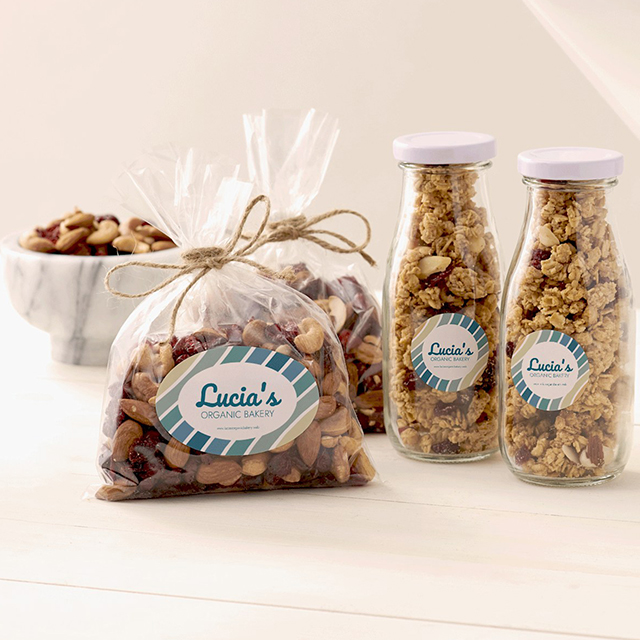
Temperature fluctuations destroy improper adhesives rapidly. Standard adhesives crystallize inside commercial freezers. They lose tackiness within hours. Eventually, they fall off the container entirely. This leads to rejected shipments and severe inventory confusion.
Always specify "freezer-grade" or "all-temp" adhesives to solve this. You must clarify exactly when application happens on your production line. Applying adhesives at room temperature before freezing requires one specific chemistry. Applying adhesives directly onto an already-frozen substrate requires an entirely different, highly aggressive formulation. Understanding the difference between minimum application temperature and overall service temperature range prevents disastrous cold chain failures.
Regulatory frameworks dictate material safety strictly. You must understand the difference between direct and indirect contact. Most grocery applications require "indirect contact" compliance. This means placing the material on the outside of a barrier, like a glass jar or sealed cardboard box.
Direct contact involves touching the consumable item directly. Think of fruit stickers or deli meat tags. Direct contact requires specialized, highly regulated adhesives. Inks must also pass rigorous safety testing to prevent toxic migration. The FDA outlines exact guidelines for these chemical formulations. Always ensure suppliers certify their components specifically for your intended usage.
Paper inherently absorbs liquids. You cannot bypass basic physics. Oily products like chili crisp or olive oil pose tremendous packaging challenges. Heavy condensation also creates immediate structural trouble for raw fibers.
Mandate a protective laminate to combat absorption. Alternatively, specify a thick UV varnish over the printed design. Laminates create a physical, clear shield. They prevent aggressive oils from seeping into the porous base layer. A common mistake involves ignoring the edges. Oil can still seep through unprotected cut edges. Discuss edge-seal techniques or sizing adjustments to minimize this risk.
Formatting dictates how efficiently you scale operations. Roll formats remain entirely mandatory for machine application. Automated bottling and packaging lines rely on rolls to function at speed. You must specify exact core sizes. Standard cores run around three inches in diameter.
Unwind direction represents another crucial technical spec. Unwind direction dictates how the artwork feeds off the roll into the machinery. Getting the unwind direction wrong stops production lines immediately. Co-packers will reject the batch. Cut-to-size formats serve a different purpose entirely. They work best for low-volume projects, manual hand-application workflows, or promotional inserts placed loosely inside shipping boxes.
You must address the physics of adherence. Every container has unique surface energy. Glass jars offer extremely high surface energy. They accept almost any standard adhesive easily. Glass rarely causes application issues.
Corrugated cardboard boxes possess rough, porous, and often dusty surfaces. Flexible plastic pouches possess very low surface energy. Low surface energy acts somewhat like Teflon. It repels standard glues. You need highly aggressive, rubber-based adhesives to stick securely to flexible plastics. Always match the specific adhesive profile directly to your container substrate.
Building a reliable packaging system requires structured validation. Follow this sequential logic to finalize your procurement decisions effectively.
Audit the Product Lifecycle: Map the physical journey carefully. Start at the manufacturing warehouse. Move to the applicator machine. Track transit conditions and trailer temperatures. Consider the grocery shelf environment. Finally, anticipate the consumer fridge. Every stage introduces new stress variables.
Request Material Proofs: Digital PDFs deceive the human eye. They never reveal true material textures. Do not rely on computer screens alone. Order a physical sample pack from your printer. Evaluate the tactile feel firsthand. Assess material thickness accurately.
Conduct Stress Tests: Apply the blank sample directly to the actual container. Subject it to real-world conditions immediately. Freeze the container overnight. Squeeze the plastic bottle repeatedly to test flexibility. Expose the surface to heavy condensation. Wait 48 hours to check for edge peeling or center bubbling.
Verify Printer Capabilities: Ensure your chosen printing partner offers the exact laminates required. Ask about FDA-compliant adhesives proactively during initial quoting. Confirm they possess scalable roll production capabilities. Do this long before signing final artwork proofs.
Sourcing the right materials represents an exercise in matching chemistry to physical realities. You must understand your product's specific environmental stressors thoroughly. Navigating cold chains, oily contents, and regulatory compliance demands precision. Every material choice directly impacts brand perception and operational efficiency.
Do not leave these technical specifications to chance. Request a custom sample pack to evaluate tactile qualities firsthand. Consult a dedicated packaging engineer regarding specialized adhesives for complex surfaces. Submit your current artwork for a comprehensive compliance and material review today. Proactive testing prevents expensive production failures tomorrow.
A: No, standard paper inherently absorbs water. However, applying specific laminates or heavy varnishes makes them highly water-resistant. They handle minor splashes and standard condensation perfectly. If your product requires total waterproof performance, like total submersion in ice water for days, you must switch to synthetic materials like BOPP or vinyl.
A: Compliance depends heavily on the specific adhesive and ink formulations used. The FDA categorizes materials strictly by direct or indirect food contact. Indirect contact applies to outer containers like boxes or glass jars. Direct contact touches the consumable item itself. Your printer must use certified, non-toxic components to meet these regulations.
A: Yes, kraft materials work well in freezers if you pair them with specialized freezer-grade adhesives. Standard adhesives will fail and peel in freezing temperatures. Keep in mind condensation forming upon thawing may warp unprotected surfaces. Adding a protective varnish helps mitigate this post-thaw moisture damage effectively.
A: Unwind direction depends entirely on the automated labeling machine used by your specific facility or co-packer. It dictates how the design dispenses off the core. Always request their technical specification sheet before ordering rolls. Guessing the direction often results in completely unusable batches and wasted production budgets.
As an industry leader in premium packaging solutions, Jutu Label understands the critical complexities of material science and FDA compliance. Our company provides highly customizable, durable label solutions engineered specifically to survive harsh environmental stressors—from commercial cold chains to complex retail environments. When you need reliability, unparalleled quality, and expert guidance for your next project, trust Jutu Label to elevate your brand while ensuring flawless operational performance.


