
- Home
- Adhesive Tapes
- Self-adhesive Label
- Label Jumbo Roll
- Solutions
- About Us
- News & Insight
- Resources
- Contact Us

Views: 0 Author: Site Editor Publish Time: 2026-08-12 Origin: Site


Every serious crafter knows the absolute heartbreak of a ruined project. You spend countless hours cutting delicate paper pieces. Then you watch them warp disastrously under liquid adhesive. Slow drying times completely break your creative flow. Weak bonds cause carefully constructed 3D layers to pop apart days later. You need a reliable adhesive solution. You need something offering high precision and zero dry time. Double Sided Tape solves these frustrations perfectly. It provides instant, secure holds across countless crafting applications. Achieving professional-grade results requires moving beyond generic desk tapes. You must deeply understand substrate variations. Distinct backings like tissue, plastic, and cloth behave differently under stress. You must match the tape material to the specific structural demands of your work. Choosing the right material ensures your creative projects look flawless. It guarantees they stand the test of time.
Material Matters: Tissue tape offers hand-tearable convenience for paper, PP tape provides sheer strength for plastics, and cloth tape delivers heavy-duty bonding for mixed media.
Archival Safety: Not all double-sided tapes are photo-safe; verifying acid-free properties is critical to prevent long-term yellowing.
Application Precision: Burnishing the tape before removing the backing liner guarantees maximum adhesion and prevents edge-lifting.
Scalability: Bulk rolls offer better cost-per-yard metrics compared to disposable adhesive runners for high-volume projects like junk journaling or cardmaking.
Crafting adhesives must meet incredibly strict success criteria. We look for extreme longevity. We demand a pristine aesthetic finish. We require robust structural integrity. Liquid glues often fall short here. They introduce unwanted moisture into your delicate materials. This moisture leads to unsightly paper warping. It also causes messy bleed-throughs on porous papers. Your projects instantly lose their professional, crisp appearance.
Rolled tape formats eliminate these moisture issues completely. They create an instant, dry bond. They also vastly outperform popular glue runners and adhesive dots. Small glue runners run out constantly during high-volume crafting. They force you to buy expensive refill cartridges continually. Tape rolls provide far superior surface area coverage. They deliver much better cost-efficiency for large-scale projects.
We must acknowledge one skeptical note, however. Rolled tape is inherently unforgiving. Once you apply it, repositioning the material proves incredibly difficult. You cannot slide pieces around. Wet glue allows a few seconds of movement. Tape demands accurate initial placement. You must measure and align your components perfectly before committing to the bond.
Selecting the right tape requires a clear decision framework. We break down solution categories by core backing materials. You must align the backing with your ideal use cases. Let's thoroughly explore the primary options available to serious crafters.
Tissue Tape features a specialized non-woven carrier. It is exceptionally thin and highly versatile.
Features: It offers incredible hand-tearable convenience. It maintains a very thin profile to prevent bulky layering. It typically provides a highly reliable medium-to-high tack level.
Outcomes: This tape is absolutely ideal for fast-paced paper crafts. We frequently use it for intensive junk journaling. It works beautifully for lightweight card layering. It keeps your workspace moving quickly since you completely eliminate scissors.
Pro Tip: Store this tape away from direct sunlight to maintain its easy-tear properties.
PP Tape uses a highly durable polypropylene film backing.
Features: It boasts exceptional transparency. It features extremely high tensile strength. It actively resists stretching or deforming when pulled tightly.
Outcomes: We find this completely superior for mounting photos securely. It adheres tricky vellum and slick acetate perfectly. It excels in any project requiring a completely invisible, transparent bond.
Common Mistake: Avoid touching the adhesive surface. Finger oils quickly degrade the transparent finish.
Cloth Tape utilizes a densely woven carrier for extreme durability.
Features: It packs an aggressively heavy-duty adhesive onto a textured carrier. It delivers unmatched shear strength for heavy loads.
Outcomes: You absolutely need this for constructing rigid bookbinding spines. It handles heavy fabric mounting effortlessly. It is strictly necessary for structurally demanding 3D box crafts holding substantial weight.
Best Practice: Always use heavy-duty craft scissors to cut this material cleanly.
Table: Substrate Capability Matrix
Tape Material | Best Feature | Ideal Crafting Use Case | Tear Method |
|---|---|---|---|
Tissue (Non-Woven) | Ultra-thin profile | Paper layering, junk journaling | Hand-tearable |
PP (Polypropylene) | High transparency | Photo mounting, acetate | Scissors / Dispenser |
Cloth (Woven) | Extreme shear strength | Book spines, heavy 3D structures | Heavy-duty scissors |
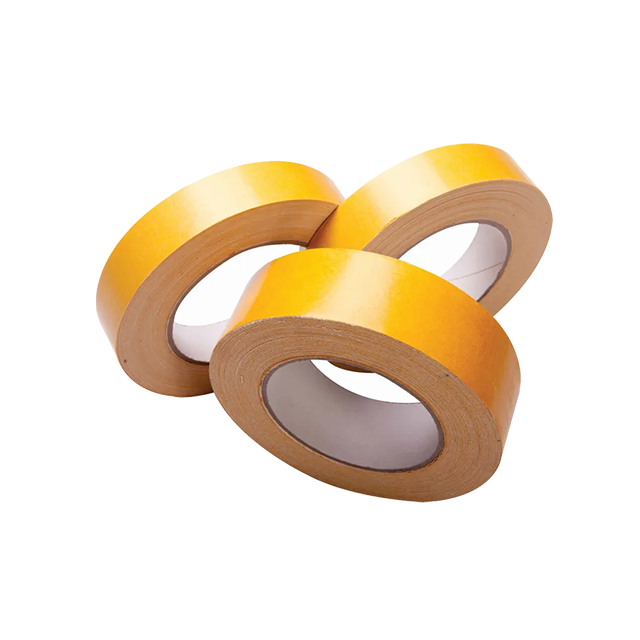
Now we can look at specific project types. Different crafts demand distinct approaches to adhesives. You must adapt your techniques accordingly.
Intricate card borders require extremely narrow-width tapes. You apply 1/8-inch rolls behind delicate die-cut sentiments. This completely avoids messy liquid glue oozing. Crafters also utilize thicker double-sided varieties to create custom foam-mounting squares. You cut the tape to your exact desired size. This adds impressive 3D elevation to your focal images. It makes your handmade cards pop beautifully.
Junk journals undergo constant heavy wear and tear. You construct durable hidden pockets using strong tape. You build interactive tuck spots securely. This prevents these interactive elements from tearing loose over time. You also use it to secure very heavy embellishments. Metal charms and thick chipboard pieces adhere flawlessly. You achieve this incredibly strong hold without adding unsightly liquid glue bulk to your pages.
DIY gift boxes face unique structural tension challenges. You apply high-tack tape directly to the internal score lines. This critical step ensures the box permanently holds its rigid shape. The physical tension of folded heavy cardstock often defeats weaker adhesives easily. Purpose-built structural tape prevents your intricate 3D creations from popping open unexpectedly. It keeps your architectural crafts locked together.
Even the highest quality adhesives fail under poor environmental conditions. We must proactively avoid common implementation risks.
Acid migration over time presents a severely destructive risk. Acidic adhesives slowly destroy valuable photos. They degrade delicate vintage papers. They cause irreversible yellowing and severe brittleness. You must establish a strict rule for heirloom scrapbooks. Use only certified acid-free tape for these precious memory keeping projects. Look specifically for archival-safe labeling verified by recognized industry standards.
Environmental factors heavily dictate overall adhesive performance. Extreme ambient heat causes the adhesive to bleed. It oozes slowly from the edges of your craft. This completely ruins the aesthetic finish. High humidity introduces microscopic moisture into paper fibers. This weakens the primary bond significantly. Conversely, extremely arid conditions often cause premature adhesive drying. Store your tape rolls in a cool, strictly climate-controlled space.
Crafters frequently struggle adhering items to textured cardstocks. Glitter papers present similar severe challenges. The tape fails because it cannot make full microscopic contact. The bumpy surface dramatically reduces the bond area. The sheer strength drops instantly. You should supplement with a liquid adhesive hybrid approach here. Apply tape for an instant temporary grab. Then add tiny drops of liquid glue nearby for a permanent long-term hold.
Removing the protective release liner often damages delicate craft material. You pull the liner forcefully, and the paper rips. We solve this common frustration by applying heavy pressure. Use the traditional burnishing method. Rub the tape firmly with a smooth bone folder before lifting the liner. This action secures the adhesive firmly into the base material. You can then use a sharp craft pick to lift the liner edge cleanly.
Building a highly reliable tool kit saves immense time and money. Consider these specific factors when purchasing your new supplies.
We highly recommend keeping a diverse matrix of sizes on hand.
1/8 inch: Perfect for thin ribbons. Essential for delicate die-cut details.
1/2 inch: The versatile standard size. Ideal for general paper edges and standard card layers.
1 inch or wider: Ideal for broad structural mounting. Perfect for completely covering large chipboard covers.
Guide your crucial buying decisions by clearly differentiating tack levels. Removable or repositionable tape serves a highly specific purpose. You use it exclusively for temporarily holding stencils in place. Permanent tape handles secure final assembly. Mixing these two up leads to ruined stencils. It also causes finished projects to fall apart completely. Read the tack rating very carefully before buying anything.
Think carefully about your personal production volume. Standard desktop rolls fit easily in small crafting drawers. They perfectly suit casual weekend crafters. Industrial-sized bulk rolls offer vastly superior economic value. They provide exceptional cost-per-yard metrics. However, they strictly require specialized, heavily weighted tape dispensers. Factor in the additional cost of a good heavy-duty dispenser.
Achieving flawless craft projects requires highly careful material selection. Success relies entirely on precisely matching the tape's core material to the specific substrate. A delicate vintage paper tag desperately needs tissue backing. A clear acetate shaker window strictly requires transparent PP film. A heavy journal spine actively demands woven cloth tape.
We strongly encourage you to thoroughly audit your current adhesive stash today. Throw away generic, untrustworthy rolls causing you daily frustration. Upgrade to purpose-built, high-quality tapes tailored to your specific arts. This small strategic adjustment drastically improves overall project longevity. It also significantly elevates your finish quality to a truly professional level. Take firm control of your materials today. Watch your crafting outcomes soar instantly.
A: Most crafting tapes feature permanent formulations. They create an immediate, aggressive bond with paper fibers. Attempting to remove permanent tape usually results in severe paper tearing. However, manufacturers also produce specific repositionable tapes. These allow you to adjust placement without ripping the paper. Always verify the tack level before applying.
A: You can use specialized fabric or cloth tapes for no-sew craft applications. They bond well to woven textures for decorative purposes. However, standard tissue or paper-backed tapes will fail immediately. They dissolve or lose tack when exposed to moisture. None of these tapes will survive a washing machine cycle.
A: The release liner sticks when the adhesive has not fully transferred to your base material. You must use pressure to secure it. Burnishing the tape with a bone folder forces the adhesive into the paper fibers. Once burnished, the liner lifts away effortlessly without pulling the tape up with it.
A: PP tape offers high tensile strength and clear transparency. It is excellent for heavy photo mounting and attaching clear vellum. Tissue tape provides speed and convenience. You can tear it by hand easily. Neither is universally better. You choose PP for invisible strength and tissue for fast layering.


