
- Home
- Adhesive Tapes
- Self-adhesive Label
- Label Jumbo Roll
- Solutions
- About Us
- News & Insight
- Resources
- Contact Us

Views: 0 Author: Site Editor Publish Time: 2026-10-09 Origin: Site


Why do some packaging labels fail in wet environments?BOPP Labels provide durable and attractive solutions for modern packaging.This article explains their uses, benefits, and applications.You will learn how to choose the right BOPP labels for your products.
BOPP Labels are adhesive labels made from biaxially oriented polypropylene film. BOPP refers to a polypropylene film that has been stretched in two directions during manufacturing.
This special production process improves the film’s strength, stability, and surface quality. Because of these properties, BOPP labels are widely used for packaging applications that require long-lasting performance.
A typical BOPP label consists of several layers:
Layer | Function |
|---|---|
BOPP Film Layer | Provides strength and durability |
Printing Surface | Supports clear graphics and text |
Adhesive Layer | Ensures reliable attachment |
Release Liner | Protects adhesive before application |
The film surface of BOPP labels supports different printing methods, including digital printing, UV printing, and flexographic printing. This allows brands to create detailed graphics, product information, and customized packaging designs.
For businesses looking for reliable packaging solutions, JUTU Label provides professional label products designed for different industries and application requirements.
BOPP labels are available in different finishes and structures. Companies can choose suitable materials based on product type, packaging surface, and environmental conditions.
Tip: Selecting the correct label structure helps businesses reduce replacement costs and maintain consistent product presentation.
BOPP labels are widely used in packaging because they solve common problems faced by manufacturers and brands.
Many products are exposed to moisture, temperature changes, and frequent handling. Traditional paper labels may absorb water, tear easily, or lose appearance during storage.
BOPP labels provide stronger protection because polypropylene film offers:
Moisture resistance
Tear resistance
Better dimensional stability
Smooth printing performance
Long-lasting appearance
These features make BOPP labels suitable for products that require both functionality and branding value.
For example, beverage bottles often experience condensation during refrigeration. A standard paper label may become damaged, while a BOPP label can maintain clear printing and strong adhesion.
For different packaging applications, businesses can select suitable self adhesive labels based on surface materials, application environments, and required performance.
BOPP labels also provide a premium appearance. Their smooth surface allows brands to create high-quality packaging designs that improve shelf visibility.

BOPP labels and paper labels are both commonly used for product identification. However, they perform differently when exposed to moisture, handling, and environmental changes.
Paper labels are economical and suitable for general applications. They work well when products are stored in dry environments and do not require long-term durability.
BOPP labels use polypropylene film, which provides stronger protection and better resistance.
Feature | BOPP Labels | Paper Labels |
|---|---|---|
Material | Polypropylene film | Paper |
Water Resistance | Excellent | Limited |
Tear Resistance | High | Moderate |
Surface Appearance | Smooth and premium | Natural texture |
Printing Performance | High-quality graphics | Standard printing |
Application Range | Food, beverage, cosmetics | General labeling |
For packaging products exposed to moisture or frequent handling, BOPP labels are usually a better option.
For example, shampoo bottles, beverage containers, and refrigerated food packaging require labels that can maintain appearance throughout their usage cycle.
BOPP labels are used across many industries because they combine durability, appearance, and printing flexibility.
They are commonly found in food packaging, beverage bottles, personal care products, household products, and industrial containers.
The main reason businesses choose BOPP labels is their ability to maintain performance while supporting attractive product designs.
Food packaging is one of the most common applications for BOPP labels.
Food products often require labels that remain clean, readable, and attractive during storage and transportation. Moisture, refrigeration, and handling can affect traditional paper labels.
BOPP labels are commonly used for:
Snack packaging
Frozen food labels
Sauce containers
Condiment bottles
Food jars
Their moisture resistance helps protect printed information in cold or humid environments.
For example, frozen food packaging may experience condensation when moved between storage areas. BOPP labels help maintain barcode readability and product information.
BOPP labels also support high-quality printing. Food brands can display logos, product images, ingredients, and promotional information clearly.
This makes them suitable for brands that need both functional performance and attractive packaging.
Beverage packaging requires labels that can withstand water exposure and temperature changes.
Products such as bottled water, juice, beer, and soft drinks are often stored in refrigerated conditions. Condensation can affect label appearance and adhesion.
BOPP Labels are widely used for beverage bottles because they provide:
Waterproof performance
Strong adhesion
Clear printing
Premium appearance
Clear BOPP labels are especially popular for transparent bottles. They create a “no-label” visual effect while keeping product information visible.
Glossy BOPP labels are also commonly selected for beverages because they enhance colors and improve shelf presentation.
For brands focusing on premium packaging, choosing the right BOPP label solutions can improve both product protection and visual appeal.
Personal care and cosmetic products often require packaging labels with a premium appearance.
BOPP labels are widely used for:
Shampoo bottles
Skincare products
Beauty products
Body care containers
These products are frequently exposed to water during use. Paper labels may lose strength or appearance, while BOPP labels maintain better performance.
The smooth film surface supports different finishes, including glossy, matte, and transparent effects.
For cosmetic brands, packaging design is an important part of product positioning. BOPP labels help create clean graphics and professional appearances.
Clear BOPP labels are especially useful for premium products because they allow the packaging surface to remain visible.
Household and industrial products often require stronger labeling solutions because they may face chemicals, moisture, or frequent handling.
Common applications include:
Cleaning product containers
Chemical bottles
Maintenance products
Daily-use packaging
BOPP labels provide better resistance than traditional paper options. Their durable structure helps maintain product identification during transportation and storage.
For industrial applications, adhesive selection is also important. A suitable adhesive ensures the label remains attached to different surfaces.
BOPP labels are available in different structures and finishes to meet various packaging requirements. Businesses can choose different BOPP materials based on product appearance, printing needs, environmental conditions, and branding goals.
The most common types include white BOPP labels, clear BOPP labels, and special finish BOPP labels. Each type provides different visual effects and functional advantages for packaging applications.
White BOPP labels are one of the most widely used options for packaging applications. They provide a clean and bright printing surface, making them suitable for products that require clear information display and strong color contrast.
The white surface improves text readability and helps printed graphics stand out. This makes white BOPP labels suitable for food packaging, beverage containers, household products, and personal care products.
Compared with paper labels, white BOPP labels provide better resistance to moisture and handling damage. They maintain their appearance during transportation, storage, and product use.
For example, food brands often use white BOPP labels because they provide a stable surface for printing product names, nutritional information, barcodes, and brand designs.
Tip: White BOPP labels are a practical choice when businesses need a balance between durability, print quality, and cost efficiency.
Clear BOPP labels are designed to create a transparent or “no-label” appearance. They allow the product surface or container design to remain visible while still providing important product information.
This type of label is commonly used for premium beverage bottles, cosmetic containers, and high-end packaging. The transparent material creates a clean and modern appearance, which helps products stand out on retail shelves.
Clear BOPP labels also provide excellent moisture resistance. They are suitable for products stored in refrigerators or exposed to water during use, such as bottled beverages and personal care products.
With advanced printing technologies, clear BOPP labels can display detailed graphics, logos, and product information without affecting the overall packaging appearance.
Metallic and special finish BOPP labels are designed for brands that want stronger visual differentiation. These labels use special surfaces to create unique effects, including metallic shine, matte texture, and premium finishes.
They are often used for luxury products, cosmetics, specialty beverages, and promotional packaging. A metallic surface can create a premium appearance, while matte finishes provide a softer and more elegant look.
Special finish BOPP labels also maintain the durability advantages of standard BOPP materials. They provide strong resistance against moisture and handling while improving product presentation.
For brands competing in crowded markets, customized BOPP finishes can help products attract attention and strengthen brand recognition.
Tip: Packaging appearance influences purchasing decisions. Choosing the right BOPP finish helps brands communicate product value more effectively.
BOPP labels are widely selected for packaging because they combine durability, visual quality, and application flexibility. They are suitable for products that require long-lasting labels while maintaining an attractive appearance.
Compared with traditional paper labels, BOPP labels perform better in demanding environments. Their polypropylene film structure provides reliable protection against moisture, damage, and daily handling.
One of the biggest advantages of BOPP labels is their excellent moisture resistance. Unlike paper materials that can absorb water, polypropylene film helps prevent damage caused by liquid exposure.
This property makes BOPP labels suitable for products stored in refrigerators, humid environments, or areas where frequent cleaning is required.
Common applications include:
Beverage bottles
Frozen food packaging
Shampoo containers
Cleaning products
For example, beverage labels often face condensation when products are removed from cold storage. BOPP labels can maintain clear printing and strong adhesion under these conditions.
The waterproof performance also helps protect important product information, including barcodes, instructions, and branding elements.
BOPP labels provide excellent durability because polypropylene film has strong mechanical properties. They are less likely to tear, wrinkle, or lose appearance during transportation and handling.
This is especially important for products that pass through multiple supply chain stages. Labels may experience friction, pressure, or repeated handling before reaching customers.
Industries such as logistics, food, beverage, and industrial manufacturing often choose BOPP labels because they provide reliable identification throughout the product lifecycle.
For example, chemical containers and household products require labels that remain attached and readable during storage. BOPP materials help maintain label performance in these situations.
Tip: Businesses should evaluate the expected product journey when choosing labels. A durable label can reduce replacement issues and improve operational efficiency.
BOPP labels provide a smooth surface that supports high-quality printing. Their film structure allows brands to create sharp images, vibrant colors, and detailed product designs.
They are compatible with different printing technologies, including:
Digital printing
UV printing
Flexographic printing
This makes BOPP labels suitable for both large-scale production and customized packaging projects.
For consumer products, packaging appearance plays an important role in brand communication. High-quality printing helps products look more professional and improves shelf visibility.
For example, cosmetic brands often use printed BOPP labels because they need packaging that combines durability with premium visual effects.
The adhesive layer is an important part of BOPP label performance. Different packaging surfaces require different adhesive solutions to ensure reliable attachment.
Common adhesive options include:
Adhesive Type | Application |
|---|---|
Permanent Adhesive | Long-term product labeling |
Removable Adhesive | Temporary identification |
Hot Melt Adhesive | Strong bonding applications |
The right adhesive depends on factors such as packaging material, temperature conditions, and product usage.
For example, glass bottles, plastic containers, and flexible packaging may require different adhesive characteristics. Selecting the correct adhesive prevents label lifting, peeling, or application failure.
For packaging applications requiring additional bonding performance, suitable adhesive tape solutions can also support different industrial and packaging needs.
Professional suppliers can provide customized packaging label solutions based on product requirements, printing methods, and application environments.

Selecting the right BOPP labels requires more than choosing a suitable appearance. Businesses need to consider product conditions, packaging materials, printing requirements, and long-term performance.
Different products face different challenges during storage, transportation, and usage. A beverage bottle, cosmetic container, and industrial package may require completely different label structures.
By evaluating application requirements carefully, companies can choose BOPP labels that provide better durability, stronger adhesion, and improved packaging performance.
The application environment is one of the most important factors when selecting BOPP labels. Products may experience moisture, temperature changes, outdoor exposure, or chemical contact during their lifecycle.
For products stored in refrigerated conditions, moisture resistance is essential. Beverage bottles and frozen food packaging often require labels that can withstand condensation without losing appearance.
For industrial products, labels may need stronger resistance against chemicals, friction, or outdoor conditions. In these cases, businesses should consider both BOPP film performance and adhesive compatibility.
Important factors include:
Consideration | Impact on Label Selection |
|---|---|
Moisture Exposure | Requires waterproof label materials |
Temperature Changes | Requires stable adhesive performance |
Chemical Contact | Requires resistant film and adhesive |
Frequent Handling | Requires durable label structure |
Choosing the correct BOPP label based on the working environment helps prevent common issues such as peeling, fading, or label damage.
Tip: Before ordering large quantities, businesses should test labels under actual application conditions to confirm performance.
BOPP labels are available in different material options, and each type provides unique advantages.
White BOPP labels are suitable for applications requiring clear printing and strong readability. They are commonly used for food packaging, household products, and general consumer goods.
Clear BOPP labels are preferred when brands want a transparent appearance. They are often used for premium beverages and cosmetic products because they create a clean and modern packaging style.
Metallic or specialty BOPP labels are designed for products that require stronger visual impact. They help brands create unique packaging designs and improve shelf differentiation.
The choice of material should match both functional requirements and branding goals.
For example, a beverage manufacturer may choose clear BOPP labels for a premium bottle appearance, while a food company may prefer white BOPP labels for better information visibility.
The adhesive layer determines how well BOPP labels perform after application. Even high-quality BOPP film may fail if the adhesive does not match the packaging surface.
Different products require different adhesive characteristics. Glass bottles, plastic containers, flexible packaging, and industrial surfaces may need different solutions.
Common adhesive choices include:
Adhesive Type | Features | Suitable Applications |
|---|---|---|
Permanent Adhesive | Strong and long-lasting bonding | Beverage, food, industrial products |
Removable Adhesive | Easy removal without damage | Temporary labels and promotions |
Hot Melt Adhesive | Strong initial adhesion | High-speed packaging lines |
Temperature, surface condition, and product usage should all be considered before selecting an adhesive.
For example, a frozen food package requires an adhesive that remains effective in cold environments, while a cosmetic bottle may require strong bonding on curved plastic surfaces.
Professional label suppliers can provide customized self adhesive label solutions based on packaging materials and production requirements.
Packaging labels are not only used for identification. They are also an important part of brand communication.
Businesses should consider printing methods, label dimensions, surface finishes, and customization options before selecting BOPP labels.
Common customization choices include:
Customization Option | Application Value |
|---|---|
Custom Sizes | Matches different packaging shapes |
Glossy Finish | Creates bright and attractive designs |
Matte Finish | Provides a premium appearance |
Transparent Design | Creates a clean visual effect |
Special Coatings | Improves protection and appearance |
BOPP labels work well with digital printing, UV printing, and flexographic printing technologies. This allows manufacturers to create detailed graphics, consistent colors, and customized packaging designs.
For businesses requiring professional label development, JUTU Label provides customized label solutions based on product requirements, material selection, and application conditions.
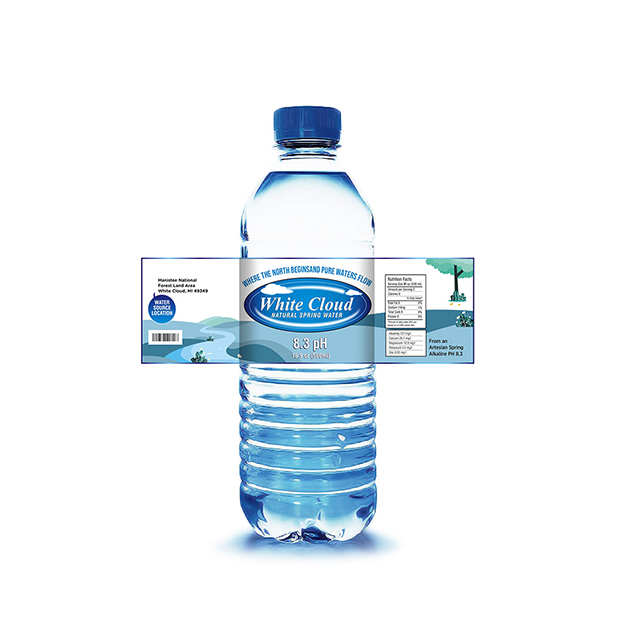
Choosing the right packaging label requires understanding how different materials perform in real applications.
BOPP labels are often compared with paper labels and PET labels because these materials are also commonly used for packaging.
Each option has different advantages depending on product requirements, environment, and budget.
BOPP labels and paper labels serve different packaging needs. Paper labels are widely used because they are affordable and easy to print.
However, paper materials have limited resistance against water and physical damage. They may become weaker when exposed to moisture or frequent handling.
BOPP labels provide better durability because polypropylene film offers stronger protection.
Feature | BOPP Labels | Paper Labels |
|---|---|---|
Water Resistance | High | Low |
Durability | Excellent | Moderate |
Appearance | Premium and smooth | Natural paper style |
Best Applications | Beverage, food, cosmetics | General products |
For products that require long-term appearance, BOPP labels usually provide better value.
Paper labels may still be suitable for dry environments where cost is the main consideration.
BOPP and PET are both synthetic label materials, but they have different characteristics.
PET labels generally provide higher strength and chemical resistance. They are often selected for demanding industrial applications.
BOPP labels offer excellent flexibility, print performance, and cost efficiency. They are widely used in consumer packaging.
Feature | BOPP Labels | PET Labels |
|---|---|---|
Flexibility | Higher | Moderate |
Strength | Good | Excellent |
Printing Performance | Excellent | Good |
Common Uses | Food, beverage, cosmetics | Industrial, durable applications |
The right choice depends on the product environment.
For everyday consumer packaging, BOPP labels often provide a good balance between appearance, durability, and cost. For extreme environments, PET may be more suitable.
The best packaging label solution depends on several factors, including product type, application environment, branding requirements, and budget.
Businesses should evaluate:
Product storage conditions
Required label lifespan
Packaging material
Printing requirements
Adhesive performance
Visual design goals
For example, beverage brands may prioritize waterproof performance and premium appearance. Cosmetic brands may focus more on visual design and surface finish. Industrial companies may require stronger durability.
Choosing the correct label material at the beginning can reduce operational problems and improve product presentation.
BOPP Labels provide durable packaging solutions with moisture resistance, strong adhesion, and excellent printing performance.
They are widely used in food, beverage, cosmetics, and industrial packaging applications.
JUTU Label offers customized BOPP label products to help businesses improve packaging quality, brand presentation, and labeling efficiency.
A: BOPP Labels are used for food, beverage, cosmetic, and industrial packaging because they provide durability and moisture resistance.
A: BOPP Labels offer strong adhesion, excellent printing quality, and long-lasting performance in demanding environments.
A: BOPP Labels provide better water resistance and durability, making them suitable for products exposed to moisture.
A: Choose BOPP Labels based on material type, adhesive requirements, printing needs, and application conditions.
A: Common options include white BOPP Labels, clear BOPP Labels, and special finish labels for different packaging needs.


