
- Home
- Adhesive Tapes
- Self-adhesive Label
- Label Jumbo Roll
- Solutions
- About Us
- News & Insight
- Resources
- Contact Us


Views: 0 Author: Site Editor Publish Time: 2026-03-16 Origin: Site


Waterproof packaging is no longer a “nice extra.” For many brands, it’s a basic requirement. Products travel through humid warehouses, rainy delivery routes, cold-chain condensation, and retail shelves where spills and handling happen daily. When packaging fails under moisture—labels wrinkle, graphics blur, seals weaken, or cartons stain—customers notice immediately. That’s why more manufacturers and brand owners rely on BOPP Film as a practical material choice for waterproof packaging. It offers strong moisture resistance, good mechanical stability, and excellent visual presentation, all while remaining efficient for high-volume production.
At www.jutulabel.com, we work with customers who need packaging materials that stay clean and presentable through real transport and storage conditions. In our experience, BOPP film is one of the most balanced solutions for waterproof packaging because it performs well in multiple dimensions at once: water resistance, clarity, print compatibility, stiffness, and durability. In this article, we’ll explain what makes BOPP film suitable for waterproof packaging, where it is commonly used, and how to choose the right BOPP structure and finish for your project.
BOPP stands for Biaxially Oriented Polypropylene. “Oriented” means the film is stretched in two directions during manufacturing, which improves its strength, clarity, and stiffness compared to non-oriented polypropylene film. This structure is one reason BOPP film is widely used in packaging and labeling applications that require both performance and appearance.
For waterproof packaging, the key advantage is that polypropylene is naturally resistant to moisture, and BOPP film maintains its structure well under humid conditions.
The most direct benefit of BOPP film is that it does not absorb water like paper-based materials. That means it helps prevent common waterproof packaging failures such as:
wrinkling
swelling
fiber breakdown
ink bleed caused by moisture penetration
peeling or lifting in wet handling environments
For packaging that must remain intact in humidity, BOPP film provides a stable surface that stays smooth and functional.
Where this matters most:
chilled products with condensation
bathroom and personal care products
warehouse storage in humid climates
outdoor or marine logistics conditions
products handled frequently by consumers
Waterproof packaging must handle more than moisture—it must also handle friction, pressure, and daily movement. BOPP film is known for strong mechanical stability, which supports:
resistance to tearing
better stiffness and shape retention
stronger performance during high-speed packaging operations
better durability during shipping and handling
When packaging travels through multiple touch points (factory → warehouse → distributor → retailer → consumer), durability becomes a real cost factor. Fewer damaged packages means fewer complaints and less rework.
In consumer markets, packaging is part of brand value. BOPP film offers excellent optical properties for many designs, especially when you want:
bright color display
clean product appearance
premium-looking graphics
clear window packaging effects
BOPP can be produced in different finishes (clear, matte, white, pearlized, metallized), making it suitable for both premium and high-volume product packaging strategies.
Waterproof packaging often requires strong, stable printing that won’t blur or fade easily. BOPP film is commonly used in printed packaging because it supports:
stable ink adhesion with proper surface treatment
clean, sharp edges in graphics
high-quality color reproduction
compatibility with multiple printing methods depending on film grade
The key is selecting the right BOPP film type and treatment level to match your printing process and end-use condition.
Many consumer products contain oils, detergents, or cleaning chemicals. Paper labels and non-waterproof materials can degrade in these environments. BOPP film performs well in many packaging situations where the surface may contact:
oils from personal care products
cleaning agents in household products
mild chemical exposure during storage or use
wet hands and repeated wiping
This makes BOPP especially practical for labels and flexible packaging in daily-use consumer categories.
BOPP film is widely adopted because it provides strong performance without requiring extreme material cost. It is often chosen as a practical “best balance” material because it offers:
waterproof properties
durability
good appearance
suitability for mass production
For many brands, it delivers a better total value than heavier specialty films or fully rigid packaging alternatives.
Waterproof packaging requirement | How BOPP Film helps | Practical result |
Moisture resistance | non-absorbent, stable structure | fewer wrinkles and failures |
Durability | strong oriented film strength | reduced tearing and damage |
Shelf appearance | high clarity and clean surface | premium presentation |
Printing performance | supports stable ink adhesion | sharper graphics |
Handling exposure | resists wet contact and wiping | labels stay readable |
Cost efficiency | strong value in volume production | lower total packaging cost |
BOPP film is widely used in waterproof packaging because it stays stable in humid conditions and maintains a clean surface appearance even with frequent handling. You’ll commonly see it in waterproof labels for bottles, jars, and containers—especially for products that may be refrigerated, stored in bathrooms, or handled with wet hands. It’s also popular in food packaging, where condensation, cold storage, and oil contact can quickly damage paper-based materials. In personal care packaging (shampoos, lotions, liquid soaps), BOPP helps labels remain smooth and readable even when exposed to splashes and repeated wiping.
For household products such as detergents and cleaners, BOPP film supports durability and chemical resistance, helping packaging stay intact through transport and daily use. It’s also used for flexible wrapping films that protect moisture-sensitive goods during shipping and storage. Finally, in retail packaging, BOPP film is valued for its strong shelf appearance—keeping graphics sharp, colors bright, and surfaces clean-looking. In many markets, waterproof performance is as much about brand presentation as protection.
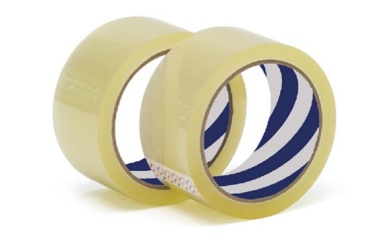
Not all BOPP is the same. Selection depends on your packaging structure and usage conditions.
Clear BOPP: clean visibility and bright graphics
Matte BOPP: premium look, reduced glare
White BOPP: strong opacity for labels
Pearlized BOPP: improved stiffness and premium appearance
Metallized BOPP: strong visual impact and some barrier benefits
Thicker film can provide better stiffness and durability, but may increase cost. Choose based on:
handling stress
packaging machine speed
label size and application method
For waterproof labels, film performance depends on adhesive choice. Ensure adhesive matches:
container surface (PET, glass, HDPE, etc.)
cold temperature performance if needed
wet-hand and condensation exposure
product oil exposure
Printing needs vary. Choose the film surface treatment and grade that supports your printing workflow and ink system.
Moisture resistance alone does not protect packaging from tearing or scuffing.
For example, high-gloss may show scratches in high-contact environments; matte may fit better in premium designs.
Waterproof performance is a system result. Ink, coating, adhesive, and application conditions all matter.
Condensation, oils, and repeated wiping are common causes of label failure. Film choice should reflect real usage, not ideal conditions.
At JUTU Label, we recommend BOPP film solutions based on how your packaging will actually be used. We typically start with three practical questions:
Where will the product be stored and transported (humidity, temperature, condensation)?
How will customers handle it (wet hands, wiping, refrigeration)?
What appearance and branding style do you need (clear, matte, white, premium finishes)?
From there, we match the BOPP film type, finish, and application strategy to create waterproof packaging that stays stable and looks professional through real-life conditions.
The benefits of BOPP Film for waterproof packaging come from its balanced performance: strong moisture resistance, durable structure, clean visual clarity, good print compatibility, and practical cost efficiency for high-volume production. For brands that need packaging and labels to remain smooth, readable, and reliable under humidity, condensation, and daily handling, BOPP film is one of the most proven material choices.
To learn more about BOPP film options for waterproof packaging and labeling solutions, you are welcome to visit www.jutulabel.com for more information.
BOPP film is highly moisture-resistant and does not absorb water like paper, which makes it very suitable for waterproof packaging applications.
It is commonly used for waterproof labels, flexible packaging, bottle labeling, personal care packaging, and consumer product wrapping.
Yes. BOPP film performs well in humid and condensation environments, making it suitable for chilled and refrigerated product labeling and packaging.
Clear BOPP emphasizes visibility and bright graphics, while matte BOPP reduces glare and often delivers a more premium, modern appearance.


