
- Home
- Adhesive Tapes
- Self-adhesive Label
- Label Jumbo Roll
- Solutions
- About Us
- News & Insight
- Resources
- Contact Us


Views: 0 Author: Site Editor Publish Time: 2026-01-09 Origin: Site


The wrong tape can ruin a shipment. It fails at seams, and your goods spill out.
In this guide, we show you how to choose the best BOPP Tape for shipping and packaging. We’ll break down tape types, adhesive options, and key specs to match your cartons and transit conditions. You’ll learn how to pick the perfect tape for each shipping scenario.
BOPP film means biaxially oriented polypropylene film. It is stretched in two directions during production. That process boosts strength and keeps the backing stable. It also supports smooth unwind on fast packing lines.
BOPP Tape combines a film backing and a pressure sensitive adhesive. The backing handles tension and resists tearing at edges. The adhesive provides the grip on corrugated board. If either layer is weak, the seal fails early.
Tack is the first grab after contact. Peel adhesion is the force needed to peel it away. Shear holding power measures slip under steady load. Unwind force tells you how smoothly it feeds on tools. These terms let us compare “best” choices using the same language.
BOPP Tape comes in clear, tan, or colored rolls. It also comes printed for branding and tamper messaging. You can buy hand grade rolls for manual stations. You can also buy machine grade rolls for carton sealers.
BOPP Tape fits most carton sealing needs in warehouses. Filament tape adds reinforcement for very heavy or sharp loads. Paper tape can improve tamper evidence and presentation. PVC tape can feel quieter and stay flexible in colder spaces. We choose based on failure risk, not habit.
Start by checking total thickness in microns or mil. Then review tensile strength and elongation values. Next, check peel adhesion and shear results at stated conditions. Finally, confirm temperature ranges for application and service. If data is missing, ask for a clearer technical sheet.
Tip: Use one supplier template for every tape comparison.
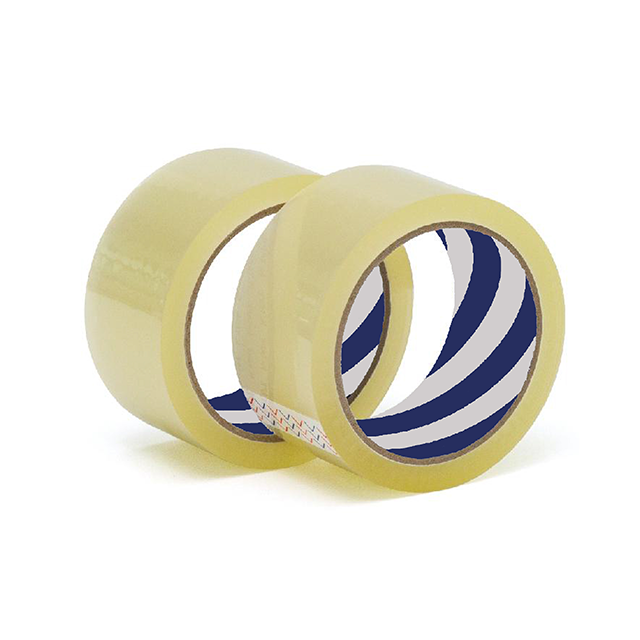
Light parcels see less load, but high surface rubbing. A medium grade BOPP Tape often works well on small cartons. Hot melt adhesive gives quick tack for fast packing. Clear tape also keeps labels easy to scan. Keep tails short to reduce snag points on conveyors.
E-commerce cartons face mixed handling and mixed climates. Many teams start using 2 inch wide BOPP Tape as a baseline. Hot melt grades support high throughput on busy shifts. If cartons use recycled liners, raise tack or move wider. H sealing on the top reduces seam pop after drops.
Heavy cartons fail at center seams and corners first. Start by moving to thicker BOPP Tape and consider 3 inch width. Use H sealing on top and bottom for better strength. For long export routes, prioritize shear holding power over time. Acrylic or strong rubber systems often help during long storage.
Long storage increases creep risk and edge lift risk. Acrylic BOPP Tape can hold bond better over time. It often needs firm pressure during application to start well. Add overlap past seam edges to reduce peel points. Keep seals flat, since wrinkles create leak paths.
Temperature swings change both adhesive behavior and carton strength. Cold reduces initial tack for many common tapes. Heat can soften adhesive and increase edge ooze. Humidity can weaken board fibers and raise seam stress. Pick tape based on the coldest sealing point and the hottest transit point.
Printed BOPP Tape supports branding and basic tamper signaling. It also helps sorting teams using lane colors or messages. Choose print that stays readable after rubbing and handling. Pair it with H sealing for stronger protection at edges. If theft risk is high, add a second control like stretch wrap.
Table 1 — Quick picks for BOPP Tape by scenario
Scenario | Carton risk | Adhesive pick | Seal pattern |
Light parcels | abrasion and snags | hot melt | single strip |
E-commerce cartons | drops and returns | hot melt or acrylic | H seal top |
Heavy cartons | seam pop and tears | acrylic or rubber | H seal both sides |
Long storage | creep and lift | acrylic | H seal plus overlap |
Cold sealing | low tack start | cold tack rubber | H seal plus compression |
Security shipping | tamper risk | printed hot melt | H seal plus controls |
Note: Always test using your real board grades.
Hot melt adhesives grab fast and feel aggressive. They work well for fast manual stations and many sealers. They often perform best when cartons are sealed warm. Cold boards can reduce first grab, so winter testing matters.
Acrylic adhesives usually build bond more slowly. They often stay stable during temperature swings and humidity. They suit long storage and slower delivery routes. They also reduce edge lift when pressure is applied well.
Rubber based adhesives vary by formulation and grade. Many grip rough recycled liners better than acrylic. Some are designed for cold tack in chilled packing rooms. They can also work well on export cartons in mixed climates. Check odor and residue if workspaces are enclosed.
Start from sealing temperature and carton surface condition. If sealing happens in cold rooms, choose cold tack rubber grades. If sealing is warm and shipping is fast, hot melt often works. If storage is long, acrylic reduces creep and lift risk. Always test on your real cartons and line speed.
Tip: Run trials during peak season workflow and staffing levels.
Table 2 — Adhesive choice guide for common operations
Operation need | Best match | Why it fits |
Very fast packing | hot melt | fast tack supports speed |
Long storage | acrylic | stable holding over time |
Cold sealing | cold tack rubber | grips cold liners early |
Dusty recycled board | rubber blends | better wet out on roughness |
High humidity | acrylic | stronger long term stability |
Thickness is a direct lever for durability on shipping lanes. Thicker backings resist tears at corners and edges. They also resist stretching during fast pulls on machines. Light cartons often work using medium grades. Heavy cartons often need thicker grades to reduce seam failures.
Do not judge thickness only by feel. Compare total thickness plus tensile values on the same data sheet. Then confirm it using a simple drop and peel test. This keeps selection consistent across warehouses and shifts.
Width increases contact area and improves shear holding power. A wider strip also bridges crushed edges on lower quality cartons. Two inch tape fits many standard cartons and sealers. Three inch tape helps for heavier loads and recycled liners. It can reduce the need for extra strips in practice.
Dust blocks adhesive wet out and weakens bond strength. If recycled liners shed dust, raise tack and increase pressure. A quick seam wipe can also help before sealing. If problems persist, review carton quality and storage. Tape cannot fix weak board fibers forever.
The best BOPP Tape is the one that lowers total cost per shipment. Failures create rework, claims, and returns. A higher grade tape can reduce double sealing and line stops. Standardizing two tape grades can control inventory complexity. It also helps training stay simple across teams.
Table 3 — Practical thickness and width planning
Carton class | Typical weight | Common width | Thickness approach |
Light | under 5 kg | 2 in | medium grade |
Medium | 5–15 kg | 2 in | medium to thick |
Heavy | 15–30 kg | 3 in | thick grade |
Export heavy | 30 kg plus | 3 in | thick plus strong adhesive |
Hand sealing needs easy unwind and quick first grab. Machine sealing needs consistent unwind and stable backing. If unwind is jerky, tape wrinkles on the seam. Wrinkles reduce contact area and invite edge lift. Share your sealing method before suppliers recommend a grade.
Unwind force affects tracking and tension on sealers. High unwind can stretch tape and cause later lift. Low unwind can create slack and wrinkles at high speed. Test at full shift speed, not a short demo. Clean rollers and heads on a set schedule to keep results stable.
Seal pattern is a low cost way to raise strength. A single strip seals the center seam only. An H seal adds two edge strips across the flaps. It reduces peel points and improves burst resistance. Heavy cartons often benefit from H sealing on both sides.
Most seal failures come from repeatable operator habits. Stretching tape during application causes later relaxation and lift. Short tails create peel points during conveyor handling. Off center placement can leave the seam partly exposed. Add a simple seal audit during peak shifts to catch drift early.
You can test tape choices using your real cartons. Pick three candidates and seal identical boxes on the same shift. Store them in hot and cold areas for one day. Then run drop tests on edges and corners. Follow that by a peel check on the center seam.
Record results using photos and short notes. Repeat tests using recycled and virgin liners if you use both. This gives you a clear approval record for procurement. It also helps you explain decisions to operations teams.
Ask for a technical data sheet and a safety data sheet. Request adhesive type, thickness, and tolerance information. Request tensile, peel, and shear results using clear test methods. Confirm roll length, core size, and carton quantities. If you need printing, request a rub test sample.
Tape changes during long storage, even when unopened. Heat can soften adhesive and deform roll edges. Cold can reduce early tack and raise unwind force. Store rolls in a clean and dry room away from sun. Rotate stock using first in first out for consistency.
Sometimes another option beats BOPP Tape for a specific lane. Filament tape helps when reinforcement is the main goal. Water activated paper tape helps when tamper evidence is critical. PVC tape can help when quiet unwind matters indoors. Keep exceptions tied to clear rules, so buying stays controlled.
Choosing the best BOPP Tape starts by understanding your carton and transit needs. Matching tape thickness, width, and adhesive to these conditions will ensure a reliable seal. By testing and standardizing, you can avoid costly shipping failures.
For consistent quality and reliable performance, JUTU New Materials Technology Ltd. offers high-performance BOPP Tape and Adhesive Tapes. Their products are designed to provide lasting durability across all shipping scenarios, reducing rework and improving packing efficiency.
A: BOPP Tape is used to seal cartons and packages. Its strong adhesive and durable backing make it ideal for protecting goods during transit, ensuring that packages stay secure.
A: Choose BOPP Tape based on carton weight, board quality, and shipping conditions. For heavier boxes, opt for thicker tape, and for cold or humid environments, consider acrylic adhesive for better durability.
A: Yes, BOPP Tape is versatile, but certain adhesives, like acrylic, work better in extreme heat or cold. Make sure to select an adhesive that fits your specific storage and transit conditions.
A: BOPP Tape generally offers superior strength, tear resistance, and clearer visibility. Unlike PVC tape, it is often more cost-effective for large-scale packaging and better suited for e-commerce.
A: BOPP Tape can last for several months when stored in a cool, dry place. Ensure proper storage to avoid adhesive degradation or weakening, which can occur with improper conditions.


