
- Home
- Adhesive Tapes
- Self-adhesive Label
- Label Jumbo Roll
- Solutions
- About Us
- News & Insight
- Resources
- Contact Us


Views: 0 Author: Site Editor Publish Time: 2026-05-16 Origin: Site


Heavy duty mounting is not only about strong tack; it is about matching adhesive, backing, surface energy, and load conditions. For buyers comparing adhesive products, Double Sided Tape can be evaluated as part of a structured material selection process.
The best tape choice often becomes clear only after the application is defined. Smooth plastic, painted walls, cardboard, cloth, paperboard, and coated surfaces all behave differently.
Instead of asking whether one tape is universally better, buyers should look at backing material, adhesive type, peel strength, thickness, and removal expectations.
This guide walks through the practical questions that help packaging, decoration, and manufacturing teams make a more confident selection.
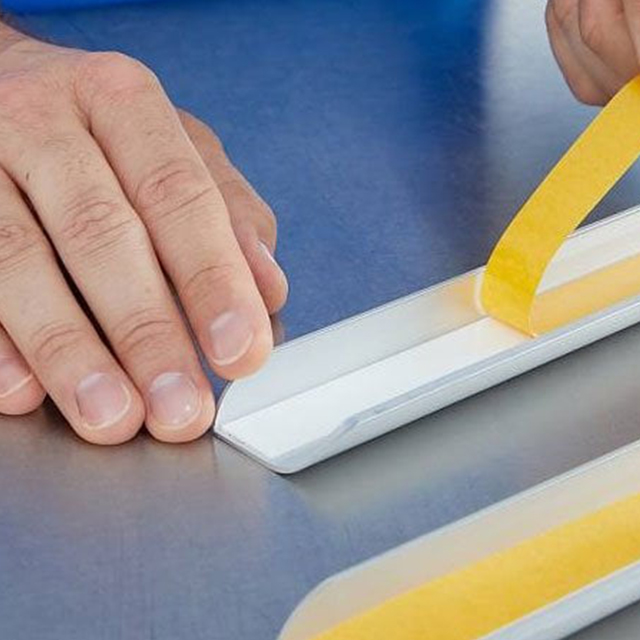
Double Sided Tape is designed for users who need a stable bond without relying on visible fasteners, liquid glue, or mechanical fixing in every situation. Its value depends on the way the adhesive layer, backing structure, and surface contact work together. In real buying decisions, this means the product should be assessed by both technical data and usage conditions.
For heavy duty mounting, buyers usually care about bonding security, surface appearance, installation speed, storage stability, and removal or replacement needs. A tape that performs well in one application may be less suitable in another if the backing thickness, adhesive type, or surface preparation is not aligned with the task.
That is why product selection should never depend on name alone. A strong process begins with understanding the target surface, expected stress, temperature range, humidity exposure, and whether the bond is temporary, semi-permanent, or long-term.
Adhesive performance is not only about initial tack. Initial tack helps the tape grab the surface quickly, but long-term holding power depends on peel adhesion, shear resistance, and how well the adhesive wets the surface. For rough or uneven materials, a more conformable tape may provide better contact than a thin, flat structure.
When reviewing samples, buyers should test the tape on the actual surface instead of relying only on laboratory values. Painted walls, coated paper, plastic boards, cartons, foam, fabric, metal trim, and glass can all respond differently. A sample that looks strong on one test panel may behave differently on the final product.
The backing controls flexibility, tear behavior, cushioning, and dimensional stability. Foam backing can fill gaps and absorb vibration. Tissue backing is thin and easy to laminate. PP backing can offer clean handling for craft or light assembly work. Cloth backing provides reinforcement and tear resistance for more demanding temporary fixing tasks.
Thickness also affects appearance. A thicker product may help bridge uneven surfaces, while a thinner product can create a cleaner bond line. For display work, packaging, labels, craft assembly, or product decoration, this detail can influence the finished look.
Commercial users should consider where the finished item will be stored or used. Temperature change, humidity, sunlight, dust, and vibration can all affect bonding behavior. For packaging tape, shipping and warehouse conditions matter. For decorative mounting, room temperature, wall coating, and surface dust may be more important.
Buyers should ask whether the tape is intended for indoor use, outdoor exposure, heavy load mounting, carton sealing, paper-based packaging, or temporary assembly. A clear application profile reduces the risk of choosing a product that works only under ideal conditions.
Double Sided Tape can support a range of commercial and light industrial applications depending on the product structure. Common use cases include mounting, packaging, display fixing, carton sealing, craft assembly, temporary positioning, decoration, and production assistance.
Wall decoration and display mounting where visible fasteners are not preferred.
Packaging operations that need clean, efficient sealing or reinforcement.
Retail display assembly where neat presentation matters.
Craft, stationery, or paper product manufacturing requiring controlled bonding.
Light component fixing in electronics, signage, or general assembly.
Each application should be matched with proper testing. For example, a packaging line may focus on unwind behavior, carton sealing strength, and storage stability. A wall decoration supplier may focus on holding power, thickness, and residue behavior. A craft brand may care more about clean edges, easy cutting, and compatibility with paper, foam, or plastic materials.
Evaluation Factor | JUTU Product Focus | Competitor A | Competitor B | Buyer Note |
|---|---|---|---|---|
Application Fit | Designed around adhesive tape and label material categories | General packaging use | Limited product segmentation | Choose by surface, load, and environment |
Product Range | Double sided tape, degradable tape, labels, and specialty materials | Mainly standard tape | Mainly commodity material | A broader range helps buyers compare options |
Customization Support | Suitable for commercial sourcing and application-specific selection | Basic specification options | Limited adjustment flexibility | Confirm size, backing, adhesive, and roll format |
Sustainability Direction | Includes degradable and paper-based tape options | May focus on conventional materials | Mixed sustainability support | Match sustainability claims with product structure |
Use Case Guidance | Product pages provide application references and material details | May provide basic description | May provide limited use cases | Request samples for real application testing |
The first question is simple: what will the tape touch? Surface energy, smoothness, coating, dust, moisture, and texture can change bonding results. Plastic films, painted boards, cartons, glass, wood, cloth, and metal-like decorative surfaces do not behave the same way.
Buyers should test the tape on the real material, not only on a clean laboratory panel. If the surface is rough or curved, the tape may need more thickness or conformability. If the surface is smooth and the finish must look clean, a thinner tape may be preferred.
Not every project requires permanent bonding. Some applications require temporary holding, some need medium-term mounting, and others need long-term attachment. The product should be selected around the time requirement and the expected load.
For heavier objects, shear resistance and contact area become important. For lightweight craft work, easy handling and neat appearance may matter more. For packaging, the opening force, storage condition, and carton surface should be reviewed.
A tape may perform well in a small manual test but still create problems in daily production if it is difficult to cut, unwind, position, or apply. Buyers should review roll size, liner behavior, edge quality, and how operators handle the product during regular work.
In commercial production, speed and repeatability are part of performance. A stable product helps reduce waste, rework, and customer complaints.
Specification | Why It Matters | What Buyers Should Confirm |
|---|---|---|
Backing Material | Affects thickness, strength, flexibility, and appearance | Foam, tissue, cloth, PP, kraft, or cellulose-based structure |
Adhesive Type | Controls tack, bonding strength, and surface compatibility | Hot melt, acrylic, solvent-based, or water-activated system |
Thickness | Influences gap filling, profile, cushioning, and bond line | Match thickness to surface roughness and finish requirement |
Peel Adhesion | Shows resistance to peeling force | Review test method and surface used during testing |
Temperature Range | Important for storage, shipping, and end-use conditions | Confirm indoor, outdoor, warehouse, or transport exposure |
Roll Format | Affects application speed and machine compatibility | Width, length, core size, and packaging method |
Even a well-selected tape can underperform if stored or applied incorrectly. Rolls should be kept clean, dry, and away from excessive heat or direct sunlight unless the supplier provides different instructions. Dust on the roll edge or surface can reduce contact quality.
Before application, surfaces should be clean and dry. For mounted products, pressure should be applied evenly across the full bonding area. When using tapes with liners, operators should avoid touching adhesive surfaces directly, as oil from fingers can affect performance.
If the tape will be used in a demanding environment, buyers should run aging tests, temperature cycling, humidity exposure, and load tests. These steps are especially useful before large production orders or new product launches.
Choosing tape only by thickness without checking adhesive compatibility.
Testing on a clean sample board instead of the real surface.
Ignoring storage temperature and humidity before application.
Using a tape designed for light fixing in a heavy load situation.
Assuming all degradable or paper-based tapes perform the same way.
Forgetting to test removal, residue, or surface damage when the application is temporary.
A careful review process helps avoid these issues. Buyers should request samples, compare specifications, and run small application tests before approving a large order.
Before a buyer approves Double Sided Tape for regular use, a sample evaluation plan should be written down. This plan does not need to be complicated, but it should be consistent. The team can prepare several test surfaces, apply the tape under the same pressure, record dwell time, and compare holding performance after short-term and longer-term exposure. This makes the decision more reliable than a quick hand test.
For heavy duty mounting, sample testing should include the real surface used in production or daily application. If the tape will be used on painted walls, cartons, coated labels, plastic panels, decorative boards, or paper materials, each surface should be tested separately. Surface cleaning method should also be recorded because cleaning can change adhesion results.
Buyers should also review removal behavior when the application is not permanent. Some tapes are designed for strong bonding and may leave residue or affect delicate surfaces after removal. Other tapes are easier to remove but may not hold heavier objects. The sample test should match the expected service life, not only the first few minutes after application.
Different buyers may use the same product name for very different work. A packaging buyer may focus on carton sealing consistency and storage stability. A display manufacturer may care about clean edges, bond-line thickness, and invisible mounting. A craft product brand may need easy handling, neat cutting, and safe use for paper-based kits.
In retail display and decoration projects, appearance is often just as important as bonding strength. A tape that squeezes out, lifts at the edge, or creates an uneven surface can damage the final presentation. In warehouse and packaging environments, speed, roll stability, and consistent unwind behavior may matter more than appearance.
For export buyers, packaging format and documentation should also be checked. Roll width, roll length, carton packing, label information, storage instructions, and product identification can influence warehouse control and reorder accuracy. These details are easy to overlook but can affect daily business operations.
Question | Why It Matters | Expected Buyer Action |
|---|---|---|
What surface is the tape recommended for? | Surface compatibility controls real bonding performance | Share material samples or surface descriptions |
What adhesive system is used? | Adhesive chemistry affects tack, aging, and environment resistance | Compare it with application needs |
What roll sizes are available? | Roll format affects manual and machine application | Confirm width, length, and core size |
Can samples be tested before order confirmation? | Sampling reduces mismatch risk | Run tests under real conditions |
How should the tape be stored? | Incorrect storage may affect performance | Share storage requirements with warehouse staff |
Edge lifting often happens when surface contact is incomplete or when the tape is under tension after application. It can also happen on dusty, oily, or low-energy surfaces. Buyers should review surface preparation, application pressure, and whether the tape is flexible enough for the target material.
Residue can result from using a tape that is too aggressive for a temporary application, removing it after extended aging, or exposing it to heat. If clean removal is important, this requirement should be clearly communicated before selecting the product.
Weak initial bond may come from low surface contact, cold application conditions, insufficient pressure, or unsuitable adhesive chemistry. Some tapes reach stronger performance after dwell time, while others are designed for immediate tack. Buyers should understand this difference before judging a sample.
A: Buyers should test double sided tape on the real surface, under normal storage and application conditions. Load, humidity, temperature, and application pressure should all be included in the test plan.
A: Yes, double sided tape may be suitable for both, but the right specification depends on surface type, required strength, expected use time, and environmental exposure.
A: Common causes include dusty surfaces, low surface energy materials, wrong adhesive type, insufficient pressure, poor storage, and using the wrong tape for the load or environment.
A: Buyers should ask about backing material, adhesive type, thickness, peel adhesion, recommended surfaces, storage requirements, roll format, sample availability, and application guidance.
A: Not necessarily. Performance depends on material design, adhesive system, surface compatibility, and application method. Buyers should test the product rather than judge only by material category.
Choosing tape for heavy duty mounting should be based on real application needs rather than a general product name. The best result comes from matching adhesive performance, backing material, thickness, surface condition, and usage environment.
For industrial users comparing bonding strength, handling speed, and surface compatibility, Shanghai Dongwen New Materials Technology Co., Ltd. (JUTU Label) offers adhesive tape and label material options that can support structured sourcing decisions. When buyers review samples carefully and communicate application details clearly, JUTU Label can help them identify a more suitable material path for packaging, mounting, decoration, or production use.


