
- Home
- Adhesive Tapes
- Self-adhesive Label
- Label Jumbo Roll
- Solutions
- About Us
- News & Insight
- Resources
- Contact Us


Views: 0 Author: Site Editor Publish Time: 2026-04-22 Origin: Site


Hours of careful brushing can be ruined in seconds by paint bleed-through or torn drywall paper during tape removal. DIY enthusiasts often experience this frustrating setback after pouring time and energy into room makeovers or intricate crafting. A quick trip to the hardware store reveals an overwhelming variety of Adhesive Tapes, leaving many buyers paralyzed by choice. Many people mistakenly assume they lack technical painting skills when edges look messy or surfaces peel. In reality, choosing the wrong tape is a primary cause of project failure, not human error.
Securing crisp lines and protecting delicate surfaces requires matching the adhesive formulation, width, and release time strictly to the project's substrate and timeline. Understanding these hidden variables transforms a stressful household chore into a highly rewarding creative endeavor. You will learn exactly how professionals evaluate adhesion strength, decode color systems, and execute perfect application techniques to guarantee flawless results.
Tape Types Matter: Standard masking tape and specialized painter's tape are not interchangeable; they use different adhesive chemistry.
Adhesion Dictates Application: Choose low-tack for fresh paint/wallpaper, medium-tack for standard drywall, and heavy-duty for brick/exterior use.
Timing is Critical: Tape should be removed at a 45-degree angle when the paint is semi-dry (slightly tacky), not fully cured, to prevent cracking.
Prep Prevents Failure: Over-stretching the tape or failing to degrease walls prior to application causes micro-bubbles and inevitable paint bleed.
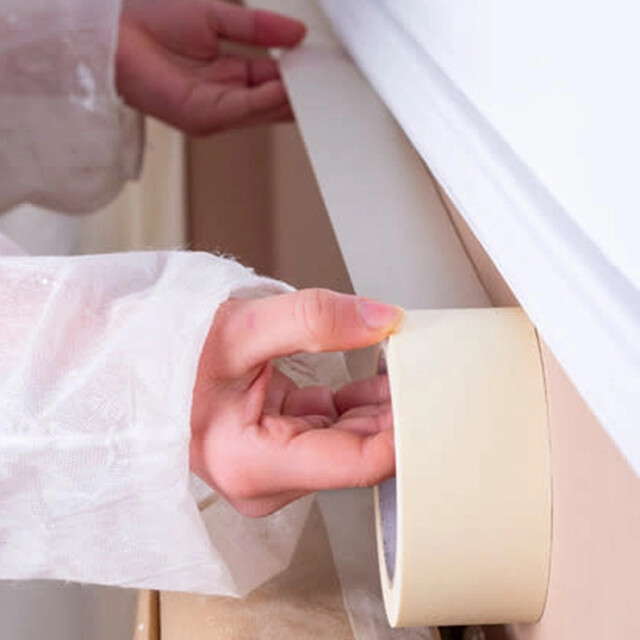
Many consumers experience a massive concept deficit when browsing the hardware aisles. They treat all paper-backed tapes as identical tools. Standard Masking Tape and professional painter’s tape represent fundamentally different products engineered for entirely separate tasks.
Standard masking tape features a highly porous crepe paper backing combined with rubber-based adhesives. This formulation provides extremely high initial tack, meaning it grabs onto surfaces immediately and aggressively. However, rubber adhesives degrade rapidly upon exposure to air and ambient light. If left on a surface for more than a few hours, the adhesive hardens. This makes the tape prone to leaving a stubborn, sticky residue behind.
We recommend using standard masking tape strictly for securing heavy canvas drop cloths, labeling hardware bags, or executing non-critical marking tasks. Standard rolls are simply not designed to block liquid paint. The porous crepe backing allows water-based paints to soak right through. Using these standard rolls directly on drywall carries a severe risk of surface tearing or leaving hardened glue patches behind.
Professional painter’s tape utilizes specially formulated low-to-medium tack acrylic adhesives. Unlike rubber, acrylic adhesives remain stable over time and resist UV degradation. Manufacturers also treat the paper backings extensively to repel moisture, ensuring liquids cannot penetrate the barrier.
You should rely on professional painter's tape for creating sharp geometric patterns, edging delicate wood trim, and protecting baseboards from rogue roller splatters. The treated edges prevent liquid seepage, while the balanced acrylic adhesive ensures you can peel the strip away days later without damaging the underlying substrate.
Feature | Standard Masking Tape | Professional Painter's Tape |
|---|---|---|
Adhesive Chemistry | Rubber-based (high tack) | Acrylic-based (low-to-medium tack) |
Backing Material | Porous crepe paper | Moisture-repellent treated paper |
Residue Risk | High (hardens within hours) | Low (remains stable for days/weeks) |
Primary Use Case | Securing drop cloths, bundling, labeling | Sharp paint lines, protecting trim |
Evaluating tapes properly requires looking past the brand name or attractive packaging. You must match the physical specifications of the tape directly to the demands of your unique project environment.
Adhesion strength serves as your most critical buying filter. Choosing the wrong tack level guarantees project failure, either through tape falling off mid-job or tearing the wall apart during cleanup.
Low Tack: This level is absolutely mandatory for delicate surfaces. You must use low-tack products on freshly painted walls under 30 days of curing. They are equally vital for protecting coated wallpapers, faux finishes, and unsealed hardwood floors.
Medium Tack: Consider this the universal standard. It performs flawlessly on fully cured drywall, standard wood trim, metal fixtures, and glass panes. If you are unsure what to buy for a basic room refresh, medium tack is your safest bet.
Heavy-Duty / High Tack: Manufacturers reserve this aggressive grip strictly for rough, uneven textures. You need heavy-duty tack for exterior stucco, exposed brick, porous concrete, or deeply grooved paneling. Using high-tack rolls on standard drywall will almost certainly peel off the top layer of paper.
Choosing the correct width prevents frustration and saves money. Narrow tapes bend easily, while wide tapes provide massive protective coverage.
0.94-inch (Narrow): Narrow rolls excel at navigating tight corners and intricate molding. They handle complex geometric wall designs and small crafts beautifully because the narrow profile allows for slight curving without puckering.
1.41 to 1.88-inch (Standard): Standard widths form the baseline for everyday painting tasks. They provide enough surface area to mask window frames, baseboards, and door casings effectively while giving you a comfortable margin of error against brush slips.
2 to 3-inch (Wide): Grab wide rolls specifically for securing heavy protective paper to floors or ceilings. The extra width easily catches unexpected roller splatter when you are painting adjacent accent walls.
Assess your project duration before making a purchase. Leaving tape on longer than its rated lifespan forces the adhesive to bond permanently to the surface. Standard painter's tapes typically offer a 14-day clean removal window. UV-resistant outdoor tapes face brutal sun exposure and usually offer only 7 days before removal becomes risky. Conversely, delicate surface tapes utilize ultra-mild acrylics and can stay safely adhered for up to 60 days without leaving sticky residue behind.
While color is not a legally regulated standard across the adhesive industry, dominant manufacturers use a highly reliable color-coding system. Understanding these visual cues drastically speeds up your shopping process and prevents costly mistakes.
Color Category | Key Characteristics | Best Used For |
|---|---|---|
Blue Tapes | UV resistant, medium tack, indoor/outdoor stable. | Window glass, exterior trim, sun-exposed rooms. |
Green Tapes | High adhesion, often features edge-sealing polymers. | Rough surfaces, highly fluid water-based paints. |
Yellow/Orange Tapes | Low tack, gentle acrylic adhesive. | Freshly painted walls, delicate wallpaper, faux finishes. |
White Tapes | Utility grade, rubber adhesive, highly porous. | Bundling supplies, non-critical floor protection. |
Blue Tapes generally signify strong UV resistance. Engineers formulate them for both indoor and outdoor use. You can safely apply them to window frames baking in direct sunlight. The specialized backing prevents the sun from baking the adhesive straight into the glass or surrounding wood.
Green Tapes typically indicate high adhesion or edge-treated technology. Many green varieties feature advanced polymer barriers. These micro-polymers physically swell when exposed to moisture. This swelling seals the edge instantly against highly fluid water-based paints, preventing bleed-through on rough or heavily textured surfaces.
Yellow and Orange Tapes act as the industry standard for low-tack applications. Always choose these bright colors when masking over delicate, vulnerable surfaces or recently applied paint jobs.
White Tapes usually indicate standard, utility-grade masking tape. We strongly advise against using them for precision paint lines. They lack both the UV resistance and the liquid barrier properties required for high-quality finishing work.
Even the most expensive, highly engineered tapes fail if applied incorrectly. Flawless execution relies entirely on proper mechanics and environmental preparation.
Adhesive tapes fail instantly on dusty or greasy walls. Invisible layers of household dust, cooking oils, or fingerprints prevent the acrylic from forming a tight seal. We recommend wiping your baseboards and targeted wall areas before taping. Use a mild white vinegar or baking soda solution to cut through stubborn grease. Plain water often fails to remove oily residues. Crucially, let the cleaned area dry completely. Any residual moisture trapped under the tape will cause immediate bubbling and lifting.
Proper application requires patience and the correct physical technique. Follow these professional steps to guarantee a sharp edge:
Work in short sections: Lay the tape out in manageable two-to-three-foot sections. Trying to pull long, continuous strips across a room usually leads to crooked lines and frustrating tangles.
Do not stretch the tape: This serves as a critical warning. Over-stretching creates extreme physical tension. This tension pulls the tape away from the microscopic divots in your wall. Over time, the tape puckers, creating invisible bubbles. Paint inevitably bleeds into these gaps.
Burnish the edge: Applying the tape is only half the battle. You must burnish the edge to activate the pressure-sensitive adhesive. Use a clean plastic putty knife or press firmly along the edge using your fingers. This downward pressure forces the adhesive into the wall's texture, locking out liquid paint.
Many DIYers believe they must wait for the paint to dry completely before removing the tape. We need to dispel this widespread myth. You must pull the tape when the paint remains tacky but is no longer dripping wet.
Fully cured paint forms a solid, continuous bridge over the edge of the tape. Removing the tape after this bridge hardens leads to jagged peeling, ruining your perfectly straight edge. To execute a clean break, pull the tape back onto itself at a steady 45-degree angle. This specific angle shears the semi-dry paint cleanly rather than lifting the surrounding coat away from the wall.
Even perfectly planned DIY projects occasionally encounter unexpected hurdles. Knowing how to troubleshoot common adhesive issues saves valuable time and preserves your sanity.
Sometimes you find yourself needing to mask a delicate DIY craft, but you only have high-tack tape available. You can safely utilize a simple tack-reduction hack. Briefly press the sticky side of the tape against your denim jeans. The adhesive will pick up microscopic lint fibers. This safely and evenly reduces the initial grip. Always test this modified strip in an inconspicuous area before applying it to your final fragile surface.
If the tape begins peeling the substrate or tearing the drywall paper underneath, stop pulling immediately. Continuing to pull will only cause a larger, more expensive repair. Instead, apply low heat to the stubborn area. Use a household hair dryer or a heat gun set to its lowest setting. Hold the tool several inches away to avoid blistering the surrounding paint. This gentle warming re-melts and softens the stiff adhesive. Once the glue softens, pull the tape gently at a steep angle to safely remove it without further damage.
Poor storage ruins perfectly good supplies. Tape edges easily collect garage dust, pet hair, and debris. Furthermore, dropping a roll crushes the precise paper edge. A crushed edge cannot form a tight seal against baseboards, which inevitably ruins the paint line.
Always store your tape flat on a shelf. Keep rolls sealed in their original plastic casing or a sturdy cardboard box. Store them in a climate-controlled area, far away from extreme summer heat or winter freezing temperatures, as drastic fluctuations destroy the chemical stability of the adhesive.
Professional paint results come from matching the tape to the surface, not from luck. Tack level, tape width, release time, and surface condition all affect whether the final line is clean or damaged. For standard interior painting, medium-tack painter’s tape is usually a safe choice, while delicate surfaces require lower-tack options. JUTU offers masking tape and adhesive tape products through www.jutulabel.com, helping customers choose suitable materials for painting, crafting, temporary adhesion, and surface protection. Selecting the right tape before work begins helps avoid residue, peeling, and unnecessary repair work.
A: Yes, you can leave it on if you apply the second coat within a day or two. However, if the first coat goes on heavily and bridges over the tape edge, lightly score the edge with a sharp utility knife before removing the tape. This breaks the paint film and prevents the fresh coat from peeling away with the tape.
A: Bleeding is typically caused by three factors. You may have used standard masking tape instead of edge-treated painter's tape. You might have failed to firmly press or burnish the edges to activate the adhesive. Finally, stretching the tape during application causes physical tension, leading it to pucker and create gaps for paint to seep into.
A: You need a heavy-duty, high-adhesion green tape designed for rough surfaces. The extra grip holds onto uneven bumps. For extreme textures like heavy stucco, professionals often run a micro-bead of clear paintable caulk along the tape edge. This physically seals the deep gaps before any colored paint goes on.
A: Use a citrus-based adhesive remover, simple isopropyl alcohol, or gentle heat from a hairdryer to soften the glue. Apply the liquid sparingly and let it sit for a minute. Gently wipe it away with a microfiber cloth. Avoid aggressive scraping with metal putty knives, which will permanently scratch or gouge the surface below.


