
- Home
- Adhesive Tapes
- Self-adhesive Label
- Label Jumbo Roll
- Solutions
- About Us
- News & Insight
- Resources
- Contact Us

Views: 0 Author: Site Editor Publish Time: 2026-06-12 Origin: Site


We have all experienced the frustration of buying a sleek home label maker only to face a hidden trap. You print a few items, the cartridge runs dry, and you realize the replacement tape costs almost as much as the device itself. Sometimes you notice peeling adhesive on your storage bins just weeks after organizing them. Evaluating a Paper Label ecosystem goes far beyond the upfront hardware price. You must assess long-term reliability and consumable affordability.
This guide evaluates top brands based on real-world consumable costs, adhesive durability, software usability, and hardware reliability. We bypass exaggerated manufacturer claims to bring you objective insights. You will learn how to identify hidden ecosystem constraints and match print technology directly to your specific household needs. Let us explore how to choose a reliable labeling system built for lasting organization and predictable costs.
The actual cost of home labeling is dictated by consumable replacement rates, not the initial device purchase.
Proprietary DRM (Digital Rights Management) on printing label cartridges is a growing industry risk that restricts third-party alternatives.
Direct thermal paper labels degrade over time; brand selection must align with the intended lifespan of the labeled item (e.g., long-term storage vs. temporary shipping).
App stability and data privacy (forced account creation) are critical, yet often overlooked, evaluation metrics for modern Bluetooth label ecosystems.
Consumers often buy a label maker based solely on retail price or an attractive design. They ignore the ongoing financial commitment required to keep the device running. To evaluate success, we must shift our focus from the initial purchase to the entire lifecycle of the machine and its consumables. You need a structured approach to measure true performance.
Cost Predictability: Move beyond the retail sticker price. You should calculate the cost per inch of a Paper Label over a standard two- to three-year usage cycle. When you factor in the replacement cartridges or rolls, budget-friendly hardware often becomes the most expensive option. Reliable systems offer transparent pricing on their consumables so you never encounter surprise costs during high-volume projects.
Ecosystem Flexibility: A major criteria for success is freedom of choice. Assess whether a brand forces users into closed-loop, proprietary cartridge systems. Alternatively, see if they allow universally sized, third-party rolls. Open ecosystems save you money. They let you source generic supplies from independent vendors once the original warranty expires.
Outcome-Based Performance: Manufacturers love to highlight theoretical DPI (Dots Per Inch) as a sign of quality. We recommend evaluating brands by real-world legibility instead. Watch out for smudging during immediate handling. Test adhesive performance on common household surfaces like textured plastic bins, glass mason jars, and cardboard moving boxes. High resolution means nothing if the text rubs off after a week.
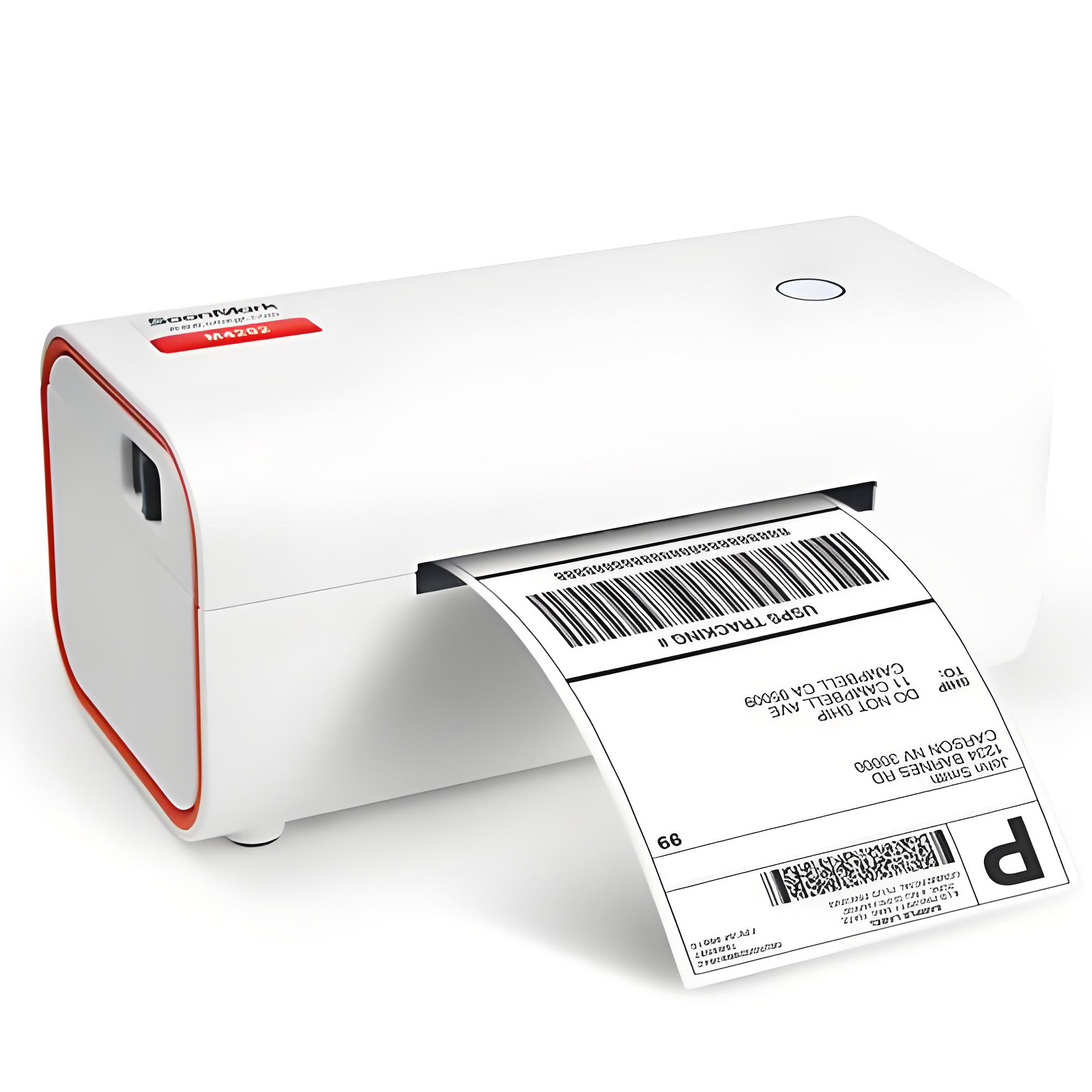
No single brand excels at every task. We categorized the top ecosystems based on specific household demands. This breakdown helps you match hardware capabilities to your daily reality.
If you run a small business from your garage or frequently mail packages, you need an industrial-leaning desktop workhorse. Brands in this category prioritize speed and wide-format compatibility. They easily accommodate standard 4x6 thermal shipping rolls. They skip fancy app interfaces in favor of reliable USB or seamless Wi-Fi drivers for a desktop computer.
The primary focus here is achieving a remarkably low cost-per-label. Because they utilize generic direct thermal technology, you can purchase bulk rolls from almost any supplier. The hardware durability remains excellent. The main drawback is the larger desktop footprint. These machines consume valuable desk space and often lack built-in keyboards or battery options for mobile use.
Organizing a kitchen pantry, a damp garage, or a bathroom cabinet demands specific material resilience. Brands dominating this space offer laminated or highly durable tape options. These specialized layers resist moisture, UV fading, and peeling. You can confidently wipe down a labeled spice jar without destroying the text.
These ecosystems rely heavily on thermal transfer technology. A heated printhead melts resin or wax onto the tape, creating a permanent bond. The clear benefit is superior longevity. Your organization efforts will look pristine for years. The trade-off is a significantly higher cost per cartridge. Laminated tapes use a complex ribbon-and-tape mechanism, making third-party alternatives rare or less reliable.
Crafters and seasonal organizers value aesthetics and convenience above all else. Mobile-first brands cater directly to this demographic. They offer compact, battery-powered designs. You connect via Bluetooth and design everything on your smartphone. Their companion apps feature diverse font libraries, playful borders, and varied icon sets.
These devices provide an incredibly easy setup process. They deliver high aesthetic value for scrapbooking, bullet journaling, or holiday gift tagging. However, the ecosystem has distinct flaws. You face potential software bloat, forced account creations, and intrusive app permissions. Furthermore, internal lithium-ion batteries degrade over time. An occasional user might pull the device out after six months only to find it completely dead and unable to hold a charge.
Home Labeling Technology Comparison Chart
Use Case Focus | Ideal Print Technology | Primary Advantage | Notable Limitation |
|---|---|---|---|
High-Volume Shipping | Direct Thermal | Lowest long-term consumable cost | Bulky hardware footprint |
Household Organization | Thermal Transfer (Laminated) | Water, oil, and fade resistance | Higher cost per replacement cartridge |
Crafters & Occasional Users | Bluetooth Direct Thermal | Ultimate mobility and font variety | Battery degradation and software bloat |
To truly understand what you are buying, you must translate technical features into practical outcomes. Let us dissect the core components of any printing system.
Many consumers incorrectly assume all adhesive tape behaves exactly the same. You must differentiate between standard paper, synthetic blends (like polypropylene), and laminated tapes. Standard paper works fine for dry file folders. Synthetic blends offer a middle ground, resisting minor splashes. Laminated tapes dominate harsh environments.
Outcome: Your chosen material determines if labels stay attached in humid environments. A high-quality acrylic adhesive ensures the sticker remains securely on a plastic bin during a hot summer. Crucially, a good substrate peels away cleanly years later without leaving a frustrating, sticky residue behind.
The industry primarily uses three methods: Direct Thermal, Thermal Transfer, and standard Inkjet Printing Label sheets. Direct thermal uses heat-sensitive paper that turns black when warm. Thermal transfer melts a solid ribbon onto the substrate. Inkjet involves feeding precut sheets into a traditional home printer.
Outcome: You must match the technology to your environmental need. Avoid direct thermal options for items exposed to direct sunlight, radiator heat, or clear packing tape. The heat and chemicals will turn the entire strip black or bleach the text entirely. Reserve thermal transfer for permanent storage, and use inkjet sheets when you need full-color designs for holiday mailers.
Modern hardware increasingly relies on mobile applications. You should rigorously evaluate the reality of Bluetooth or Wi-Fi pairing. Some apps constantly drop connections mid-print. Others force you to create a cloud account just to type a simple name tag.
Outcome: You achieve frictionless printing without mandatory cloud subscriptions. A superior ecosystem offers a plug-and-play experience. You should be able to open the app, type your text, hit print, and close the app in under thirty seconds. Intrusive data harvesting ruins the hardware experience.
Even the most reputable brands engage in practices designed to maximize their recurring revenue. Recognizing these hidden traps helps you protect your wallet over the machine's lifespan.
The consumer printing industry has quietly introduced a controversial tactic. Manufacturers now use DRM (Digital Rights Management) on physical supplies. Brands embed tiny RFID chips into the cardboard core of their replacement rolls. The machine scans this chip before operating.
If the chip is missing or lacks the correct cryptographic signature, the printer outright refuses to function. This specific industry shift blocks affordable third-party refills. You become trapped buying proprietary supplies at premium markups. Always research whether a model enforces DRM before committing your money.
Many popular handheld devices suffer from an inherent design flaw regarding tape feed mechanisms. They feature a significant distance between the printhead and the cutting blade. This gap results in wasted margins. The machine dispenses an inch of blank tape before and after your text.
While an inch sounds minor, it rapidly inflates your consumable costs. Printing thirty small spice jar tags might waste three feet of expensive material. Additionally, frequent tape feed jams ruin entire strips. You must look for brands offering manual margin control within their software settings to minimize this artificial waste.
Direct thermal printers are incredibly convenient because they never require ink or toner. However, the media itself remains chemically active long after printing. You must set realistic expectations regarding fading.
Standard direct thermal outputs typically fade or yellow over 12 to 18 months, depending on ambient light and temperature. If you label archival tax documents or long-term attic storage, you will likely encounter blank white strips a few years down the line. We advise upgrading to thermal transfer devices or laser-compatible sheets for permanent archiving.
Choosing the right hardware comes down to honestly assessing your behavioral habits. Use the following framework to narrow down the marketplace.
If you print daily (e.g., home business): Prioritize open-source roll compatibility and robust desktop software. You need a workhorse that accepts bulk supplies. Avoid battery-powered Bluetooth toys. Focus on heavy-duty mechanics and USB/Wi-Fi stability.
If you print seasonally (e.g., spring cleaning): Prioritize battery life retention, app simplicity, and cartridge longevity. You should strictly avoid liquid ink or standard direct thermal rolls that might degrade in a drawer. Look for laminated thermal transfer cartridges. They sit safely in a closet for years without drying out or fading.
Before entering your credit card details, conduct a quick household audit. Check your specific surface types. Are you applying tags to smooth glass, textured plastic, or raw wood? Next, calculate your estimated monthly print volume. If you expect to print less than twenty items a year, a cheap mobile device makes sense despite higher cartridge costs. If you print fifty items a week, invest in a DRM-free desktop model.
Finding the perfect labeling system requires looking past sleek marketing campaigns. The best brand depends entirely on your specific ratio of print volume to required longevity. A high-volume shipper has vastly different needs than a weekend scrapbooker.
Avoid the common mistake of overbuying hardware. A device with hundreds of built-in fonts means nothing if the app crashes constantly. Instead, invest your budget into an ecosystem featuring transparent, reasonably priced consumables and reliable connectivity. Prioritize models allowing margin adjustments and open-source supplies. By focusing on the entire lifecycle of the product, you guarantee a seamless organizing experience for years to come.
A: No. Many modern manufacturers implement DRM technology using RFID chips inside the cartridge roll. If the device cannot read a proprietary chip, it will refuse to print. Always check user reviews for DRM warnings before purchasing if you plan to use affordable generic refills.
A: Direct thermal options generally last 12 to 18 months before fading, especially if exposed to sunlight, heat, or friction. Conversely, thermal transfer options melt durable resin onto the surface. These can easily remain legible for over a decade in normal indoor conditions.
A: They are essential for challenging environments. Kitchen pantries, refrigerators, and bathroom cabinets expose tags to water, oils, and frequent handling. Laminated surfaces easily wipe clean. For dry office storage or basic cardboard boxes, standard unlaminated materials work perfectly well and save you money.
A: Check your device settings for a "Narrow Margin" or "Chain Print" option. Chain printing lets you queue multiple words at once, outputting them in a single continuous strip. You can then manually cut them apart with scissors, completely bypassing the automatic, wasteful lead margin.


