
- Home
- Adhesive Tapes
- Self-adhesive Label
- Label Jumbo Roll
- Solutions
- About Us
- News & Insight
- Resources
- Contact Us


Views: 0 Author: Site Editor Publish Time: 2026-06-19 Origin: Site


Beverage containers undergo brutal lifecycles before ever reaching a consumer. They must survive high-speed filling lines, heavy condensation in cold storage, severe transit friction, and complete immersion in ice coolers. Traditional paper materials often fail under these intense conditions. They tear, peel, or disintegrate completely.
To combat these harsh environments, packaging teams rely on advanced synthetic materials. A PP Film Label, particularly BOPP (Biaxially Oriented Polypropylene), now serves as the industry baseline. It perfectly balances aesthetic versatility against functional durability.
This guide provides an evidence-based framework for evaluating and implementing these synthetic labels across specific product categories. You will learn how to match facestocks with correct adhesives, compare alternative materials, and navigate real-world production risks. Procurement and packaging teams can use these insights to specify the ideal Beverage Label for their unique bottling lines.
Moisture & Cold Resistance: PP film prevents tearing, flagging, and degradation in wet or refrigerated environments where traditional paper fails.
Application Versatility: From the "no-label look" on clear spirits to 360-degree wrap-around labels on high-volume water bottles, PP adapts to diverse structural needs.
Cost-to-Performance Ratio: PP film labels generally offer a lower price point than PET while providing superior rigidity to PE, making them optimal for high-speed automated dispensing.
Adhesive Dependency: The success of a beverage label relies heavily on pairing the PP facestock with cold-temperature or wet-strength adhesives.
Most consumer packaged goods sit quietly on dry retail shelves. Drinks face an entirely different physical reality. They encounter extreme temperature shifts, aggressive moisture, and rough handling. Understanding these forces helps you specify the right material.
The "Ice Bucket" Test & Condensation: Products frequently move from warm warehouses into refrigerated coolers. This rapid temperature drop causes heavy surface condensation. A standard paper facestock absorbs this moisture instantly. It swells, ripples, and eventually disintegrates. Furthermore, consumers frequently submerge bottles in ice water for hours. You need total dimensional stability to survive this immersion.
Friction & Handling: Production environments move fast. High-speed sorting creates intense bottle-to-bottle contact. Case packing systems cause additional abrasion. During transit, vibrations cause items to rub together. Once purchased, consumers toss bottles into bags or cup holders. You must require high scuff and scratch resistance to protect your brand graphics.
Container Expansion: Carbonated drinks and pressurized aluminum cans behave dynamically. They expand slightly under pressure or heat. They contract when chilled. The facestock must maintain its integrity throughout these minor dimensional changes. If it cannot flex slightly or grip firmly, the edges will warp and flag.
Polypropylene dominates the drinks industry for several structural reasons. It solves the exact environmental challenges mentioned above. We can break down its core advantages into four specific functional traits.
Biaxial Orientation (BOPP) Explained: Manufacturers stretch the raw polymer in two opposing directions during production. This biaxial orientation aligns the polymer chains. It yields incredibly high tensile strength. It also produces crystal-clear optics. This clarity allows designers to create stunning visual effects.
Zero Moisture Absorption: Polypropylene is inherently waterproof. It acts as a complete barrier to liquids. We can easily contrast this against paper. Paper features a porous structure. It easily pulps or loses structural integrity when wet. Polypropylene never weakens under moisture.
High-Speed Application Suitability: Modern bottling lines apply hundreds of units per minute. Machines pull the material web under intense tension. Flexible materials often stretch and snap under this strain. BOPP features a high degree of stiffness. This rigidity prevents stretching. It ensures precise placement and drastically reduces expensive line downtime.
Printability & Conversion: Modern converters easily process polypropylene. It accepts UV flexo and digital inks beautifully. It also handles secondary embellishments flawlessly. You can apply cold foil, hot stamping, and tactile varnishes. The material will not degrade under these complex finishing processes.
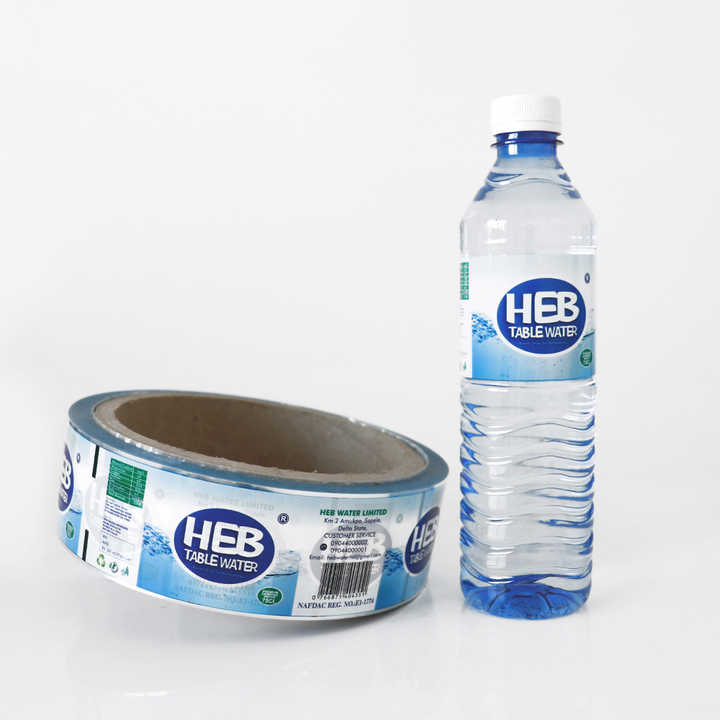
Different product categories require different visual strategies. Polypropylene adapts effortlessly to these distinct branding requirements. We can examine three primary applications.
Premium water and clear spirits often utilize ultra-clear BOPP. This transparent material mimics direct-to-glass or direct-to-plastic printing. It creates an elegant, minimalist aesthetic. It showcases the absolute purity of the liquid inside. Furthermore, it significantly reduces packaging costs. Brands can avoid expensive ceramic screen printing while achieving the exact same visual impact.
The craft drink sector moves quickly. Brands release seasonal flavors constantly. Opaque white BOPP provides a high-contrast canvas for vibrant, intricate artwork. Alternatively, metallized BOPP offers premium reflective finishes. Small breweries often buy blank silver cans in bulk. They apply these metallized wrappers to create a premium look. This strategy offers immense agility compared to ordering huge minimums of pre-printed cans.
High-volume commodities often use non-adhesive or selectively adhesed wrap-around formats. Factories wrap these bands around bulk PET bottles. This method highlights massive cost-efficiency at high volumes. It also supports modern recycling streams. During the recycling wash process, the lightweight polypropylene floats to the top. The heavier PET bottle flakes sink to the bottom. This gravity separation ensures clean, uncontaminated recycling yields.
Beverage Category | Preferred PP Variant | Primary Visual Benefit | Operational Advantage |
|---|---|---|---|
Bottled Water / Spirits | Ultra-Clear BOPP | "No-label look", seamless edges | Cheaper than screen printing |
Craft Beer / RTD Cans | White or Metallized BOPP | High contrast, metallic reflection | Enables small-batch blank can usage |
Dairy / Juices | Wrap-Around PP | 360-degree branding surface | Float/sink recycling compatibility |
You must justify your material specifications. While polypropylene serves as an excellent default, you should understand how it compares to alternative substrates. This knowledge helps you defend your procurement decisions.
PET offers supreme heat resistance. It features ultimate durability and immense tensile strength. However, PET costs significantly more than polypropylene. PP handles about 90% of standard drink use cases perfectly.
Decision logic: You should choose PET only when your process demands it. Specify PET for hot-fill processes, pasteurization, or extreme chemical exposure. Otherwise, stick to polypropylene to optimize your budget.
Polyethylene behaves very differently than its synthetic cousins. PE is highly flexible. It conforms easily to odd shapes and remains fully squeezable. Polypropylene, conversely, remains quite rigid.
Decision logic: Drinks rarely require squeezability. Consumers do not squeeze a beer can or a glass juice bottle. Because PE stretches so easily, it often causes tension problems on fast dispensing machines. Polypropylene’s rigidity makes it vastly superior for fast, accurate machine application.
Paper delivers an unbeatable traditional aesthetic. Wineries and artisanal distillers love the tactile, textured feel of premium paper. However, paper risks scuffing during transit. It also struggles in heavily iced environments, even when treated for wet strength.
Decision logic: You must transition to polypropylene when you position the product for heavy cooler use. If your marketing team demands a tactile paper look, you can compromise. Apply a matte laminate or a gritty tactile varnish over a white BOPP base. You simulate the paper texture while retaining full waterproof performance.
Selecting the right facestock only solves half the puzzle. Real-world implementation introduces new variables. You must control adhesives, liners, and machinery dynamics to ensure a successful product launch.
A brilliant facestock fails completely if the glue fails. You must specify the correct adhesive based on your exact bottling conditions. Some lines bottle warm liquid into ambient containers. Others bottle ice-cold liquid into ambient containers, which causes instant surface sweating.
If you apply graphics to a sweating bottle, a standard adhesive will slide right off. You need a specialized "wet-apply" adhesive. If your product lives in a freezer, you must specify an "all-temp" or cold-temperature adhesive. Never assume a general-purpose permanent adhesive will survive the drinks supply chain.
The liner carries your graphics through the dispensing machine. Historically, most converters used glassine paper liners. However, high-speed lines yank the material web with incredible force. Glassine paper occasionally tears under this strain. A torn web stops the entire production line.
To prevent web breaks, many high-speed factories now require PET liners. PET liners never tear. They allow the dispensing machine to run at maximum velocity. Always check your facility's specific liner requirements before ordering.
Synthetic films naturally generate static electricity. As the roll unwinds on the machine, the plastic layers rub together. This friction creates a static charge. Static attracts ambient dust, which ruins printing plates. Worse, static can cause the die-cut pieces to stick to machine parts instead of the bottles.
Best Practice: Static mitigators are a standard requirement. Ensure your converter uses anti-static tinsel or static-eliminating blowers during production. Your bottling facility should also deploy static bars on the application line.
Consumers demand sustainable packaging. You must address the recyclability of your chosen materials. The Association of Plastic Recyclers (APR) provides strict guidelines for this.
Polypropylene generally supports PET bottle recycling. However, the adhesive matters immensely. You should look into wash-off adhesives. These specialized glues lose their tackiness in the hot water baths at recycling centers. The plastic facestock separates cleanly from the PET bottle. This allows recyclers to recover clear, high-quality PET flakes without sticky residue.
Choosing a synthetic BOPP material successfully mitigates the most common beverage packaging failures. It eliminates moisture damage, prevents application tearing, and provides a premium visual canvas. By understanding the specific environmental forces your product faces, you can build a highly resilient packaging strategy.
To move forward confidently, we recommend the following action steps:
Request detailed material specification sheets from your converter, focusing closely on adhesive performance data.
Acquire unprinted sample rolls. Run them through your actual bottling equipment at full speed to test web tension and liner strength.
Conduct an aggressive cold-water immersion test. Submerge your labeled, filled containers in ice water for 48 hours to verify edge grip and dimensional stability.
Consult your local recycling guidelines to ensure your adhesive and facestock combination meets regional sustainability targets.
A: Yes, but you must use specific wet-apply adhesives designed to push moisture away from the bottle surface. Additionally, your bottling line should employ wipe-down blowers or air knives to remove excess water droplets before the application station.
A: BOPP stands for Biaxially Oriented Polypropylene. It is a highly preferred, specific manufacturing method of polypropylene. Stretching the film in two directions gives it the superior clarity and tensile strength required for fast automated labeling.
A: It depends on the transit conditions. Polypropylene naturally resists water. However, if your bottles experience heavy friction during case packing, a protective laminate prevents ink scuffing. For lighter handling, an ultraviolet surface varnish usually provides sufficient protection.
A: They are recycling-compatible, particularly with PET bottles. According to APR guidelines, the lighter density of polypropylene allows it to float during the recycling wash process. This separates it cleanly from the heavier PET flakes, provided you use an appropriate wash-off adhesive.


