
- Home
- Adhesive Tapes
- Self-adhesive Label
- Label Jumbo Roll
- Solutions
- About Us
- News & Insight
- Resources
- Contact Us


Views: 0 Author: Site Editor Publish Time: 2026-01-06 Origin: Site


A heavy carton can fail in one drop. The seam pops, and goods spill fast.
In this guide, we show how to choose BOPP Tape for heavy duty carton sealing. You will learn the key specs, the right adhesive for your climate, and the seal methods that prevent edge lift and rework.
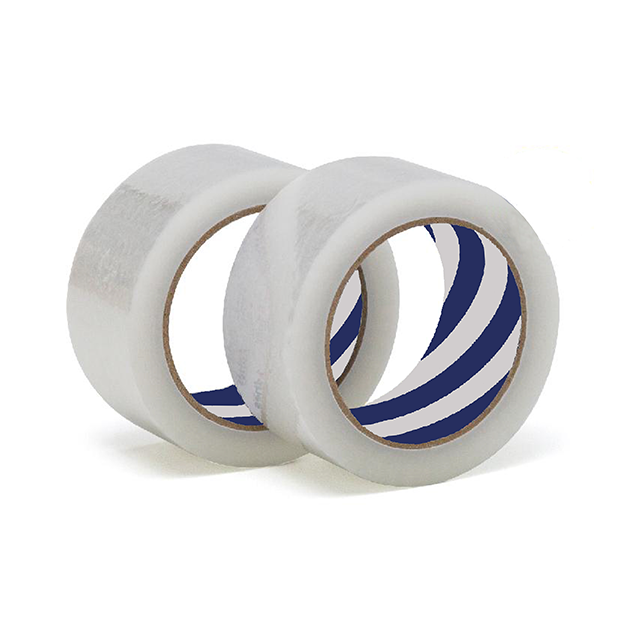
BOPP stands for biaxially oriented polypropylene. It is a plastic film stretched in two directions. That stretch raises tensile strength and keeps the backing stable. For carton sealing, it resists snapping under sudden pulls. It also stays flat during fast unwinds.
BOPP Tape has two working layers. The film backing gives strength and puncture resistance. The adhesive gives grip on corrugated board. If either layer is weak, heavy duty sealing fails fast. A strong film cannot fix poor adhesive tack. A strong adhesive cannot fix a weak backing.
Most BOPP Tape specs fall into four groups. Thickness tells you how robust the backing feels. Tensile strength shows how hard it is to break. Elongation shows how much it stretches before it snaps. Adhesion values show how well it sticks on a test surface. Some sheets also list shear holding power over time.
BOPP Tape became the default for a reason. It is clear, strong, and cost efficient. It runs well in hand dispensers and carton sealers. It also accepts printing for branding and warnings. For many warehouses, it balances speed and security.
Packaging teams also use paper tape, PVC tape, and filament tape. Paper tape offers tamper evidence and a neat look. PVC tape can feel quiet and flexible in cold rooms. Filament tape adds reinforcement for very heavy loads. BOPP Tape still wins for most cartons because it stays versatile.
Tack is the first grab on contact. Peel adhesion is force needed to peel it off. Shear is its ability to hold under constant load. Unwind is how smoothly it releases from the roll. If you know these terms, you can compare products fast.
A “heavy” carton is not only about static weight. It also sees drops, tosses, and conveyor impacts. A 25 kg box can hit corners hard during sorting. Those impacts try to open the center seam first. Define your worst handling path before you choose tape.
Corrugate varies a lot by supplier and fiber mix. Recycled liners can be dusty and less dense. Rough surfaces reduce contact area for adhesive. If the board feels chalky, the tape needs higher tack. You may also need better pressure during application.
Tape performance changes across temperature and humidity. Cold can reduce initial grab on contact. Heat can soften adhesive and increase edge ooze. Humidity can weaken board fibers and raise seam stress. You should map conditions across storage and delivery.
Some shipments need more than sealing strength. High value goods may need tamper signaling. Retail shipments may need cleaner presentation on arrival. Printed BOPP Tape can help both goals. It also supports warehouse sorting using color codes and messages.
Thickness is the easiest spec to understand. For heavy duty carton sealing, many teams start near 60 microns total thickness. In mil terms, they often start at 2.5 mil or higher. Thicker backing resists tearing at corners. It also tolerates handling abuse during transit.
If your cartons weigh above 20 kg, thinner options often fail early. If the seam pops during a drop, you need more margin. In many lines, thickness is the fastest upgrade.
Width controls how much board you cover and how much shear area you create. Two inch tape works for many standard cartons. Heavy cartons often benefit from three inch tape on the main seam. Wider tape bridges small gaps and crushed edges. It also gives better security on recycled board.
Tensile strength matters when cartons are carried by one side. It also matters on automated lines where tape sees fast pulls. Tear resistance matters at corners and cutouts. If the tape tears, the seal opens quickly.
Ask for tensile values in the technical data sheet. If you cannot get them, run a simple pull test. Compare strips from each candidate roll on the same shift.
Roll length affects line uptime and labor. Longer rolls reduce changeovers on busy shifts. Core size must fit your dispensers and machines. Unwind force matters for operator comfort and machine tracking. A tape that jerks during unwind can wrinkle. Wrinkles create leak paths on dusty cartons.
Table 1 — Quick BOPP Tape spec targets for heavy duty sealing
Scenario | Suggested thickness | Suggested width | Adhesive focus | Seal pattern |
15–20 kg cartons, mild climate | 2.5 mil+ | 2 in | fast tack | H-seal on top |
20–30 kg cartons, mixed board | 2.6–3.0 mil | 3 in | higher shear | H-seal both sides |
Cold storage shipments | 2.6 mil+ | 3 in | cold tack | H-seal plus edge press |
Long storage, humid regions | 2.5–3.0 mil | 3 in | humidity stability | H-seal plus overlap |
Tip: Standardize one heavy duty spec per site, then reduce exceptions over time.
Hot-melt adhesives use synthetic rubber blends. They grab fast and feel aggressive on cartons. They also support high speed packing lines. Many teams like them for e-commerce shipping. They may struggle on very cold board at first touch.
Acrylic adhesives often build bond more slowly than hot-melt. They can handle temperature swings and humidity exposure better. They also perform well for long storage before delivery. If you ship across seasons, acrylic can be safer. It needs firm pressure during application to reach full bond.
Some tapes use natural rubber or special synthetic rubbers. They can grip rough and dusty corrugate better. They also perform well in cold rooms when formulated for it. They can be a good choice for export cartons in mixed conditions. Odor can be stronger, so check indoor use needs.
Start from your coldest application temperature. If cartons are sealed in cold rooms, choose cold tack rubber systems. If you seal at room temperature and ship fast, hot-melt is often fine. If you store cartons for weeks, acrylic can reduce edge lift. Always test on your actual board and dust level.
Table 2 — Adhesive selection for BOPP Tape in tough environments
Environment | Best adhesive type | Why it helps | Watch-outs |
High-speed packing | Hot-melt | fast tack, fast seal | cold start issues |
Cold room sealing | Rubber cold tack | grips cold board | higher cost |
Long storage | Acrylic | stable bond over time | slower build |
High humidity | Acrylic or stable rubber | resists edge lift | needs good pressure |
Outdoor sunlight | Acrylic or UV grades | better UV stability | verify UV claim |
Hand sealing needs easy unwind and quick grab. Operators also vary in pressure and angle. Machine sealing needs consistent thickness and low unwind variance. Some machines also need low static buildup. Tell the supplier your method early. It affects backing stiffness and adhesive choice.
A single strip can work for light cartons. Heavy cartons need patterns that stop seam pop. The common choice is the H-seal on the top. It seals the center seam and both edge seams. For export loads, many teams also H-seal the bottom. This reduces burst risk during long travel.
Pressure activates most pressure sensitive adhesives. If you apply tape lightly, it lifts sooner. Use a roller or firm hand pressure across the full seam. Clean dust off the seam if the board is chalky. Even a quick wipe can raise adhesion. For high volume lines, add a compression roller step.
The first mistake is a short tape tail. It creates a peel point during handling. The second mistake is wrinkling across the seam. It creates channels for dust and moisture. The third mistake is stretching tape during application. It creates edge lift later as it relaxes.
Table 3 — Common sealing failures and fast fixes
Symptom | Likely cause | Fast fix | Prevent it next time |
Tape lifts at the edges | low pressure or dusty board | press again, wipe seam | add roller and wipe step |
Center seam pops open | carton too weak or tape too thin | H-seal, upgrade thickness | improve carton grade, standardize |
Tape tears at corners | low tear resistance | switch to thicker backing | use 3 in tape on heavy loads |
Wrinkles and tunnels | jerky unwind or wrong angle | re-tape flat, slow motion | tune tension and training |
Seal fails in cold | adhesive too stiff | change to cold tack tape | warm staging area if possible |
Note: If seams pop often, check carton strength before you blame tape.
You do not need a lab to test tape choices. Pick three BOPP Tape candidates and apply them on your real cartons. Store samples in hot and cold areas for 24 hours. Then run a one meter drop test on edges. Record which seals lift or tear.
You can add quick peel checks by hand. Pull a strip back at a steady angle. Compare resistance on the same board grade. If you need formal numbers, ask for ASTM peel and shear results.
Ask for a technical data sheet and safety data sheet. Ask for adhesive type and total thickness tolerance. Ask for tensile strength and elongation values. Ask for the recommended application temperature range. Ask for shelf life and storage conditions. Also confirm core size and roll length options.
Tape is sensitive during long storage. Keep it in a clean and dry room. Avoid heat near windows and heaters. Rotate stock using first in, first out. Keep cartons of tape sealed until use. Dust can settle on roll edges and reduce tack.
Printed BOPP Tape supports branding and security. It can show a logo, a warning, or a lane code. It can also deter tampering after delivery. Print quality depends on ink system and film treatment. Ask for a print sample on the same tape grade you will buy. Check smear resistance after normal handling.
Sometimes BOPP Tape is not the best choice. Filament tape helps when cartons need reinforcement. Water activated tape helps when you want tamper evidence. PVC tape can help for quiet unwind in offices. Keep a short list of approved alternatives for special cases. It makes procurement easier for your team.
Tip: Make a tape map per packing lane, then lock it into work instructions.
Heavy duty sealing starts by defining your carton stress. Then match BOPP Tape thickness, width, and adhesive to your board and climate. Use H-seal patterns, firm pressure, and simple tests to cut seam pops.
For consistent supply and clear specs, JUTU New Materials Technology Ltd. supports B2B packaging teams using reliable BOPP Tape and other Adhesive Tapes. They help you standardize tape choices, reduce rework, and protect shipments at scale.
A: BOPP Tape is a carton sealing tape made from strong BOPP film and pressure-sensitive adhesive. It is widely used for fast packing and reliable box closure.
A: Start from carton weight, board quality, and temperature. Then choose BOPP Tape thickness and width, and pick an adhesive that fits your storage and transit conditions.
A: Hot-melt grabs fast for high-speed lines, while acrylic suits long storage and humidity. For cold rooms, a cold-tack BOPP Tape is often the safer pick.
A: Dust reduces contact and weakens bond. Use higher-tack BOPP Tape, add more pressure, and consider wider tape or an H-seal pattern.
A: Use filament tape for reinforcement and water-activated tape for tamper evidence. They can outperform BOPP Tape in those special cases.


