
- Home
- Adhesive Tapes
- Self-adhesive Label
- Label Jumbo Roll
- Solutions
- About Us
- News & Insight
- Resources
- Contact Us


Views: 0 Author: Site Editor Publish Time: 2026-02-13 Origin: Site


BOPP Tape is one of the most widely used packaging materials in logistics, e-commerce, warehousing, manufacturing, and retail industries. Whether sealing cartons for export or bundling products for domestic shipping, BOPP Tape plays a critical role in ensuring packaging integrity. However, improper storage can significantly reduce the adhesive performance of BOPP Tape, leading to sealing failure, product damage, and increased operational costs.
Understanding how to store BOPP Tape correctly is essential for maintaining long-lasting adhesion and maximizing product value. In this comprehensive guide, we will explore the science behind BOPP Tape, the environmental factors that affect BOPP Tape, best storage practices for jumbo rolls, and practical recommendations to extend the lifespan of BOPP Tape.
The performance of BOPP Tape depends largely on its adhesive formulation and the condition of its polypropylene backing. Most BOPP Tape products use either acrylic adhesive or hot melt adhesive systems. The stickiness of BOPP Tape is influenced by several environmental and storage-related factors.
Temperature directly impacts the viscosity and bonding performance of BOPP Tape.
High temperatures can soften the adhesive of BOPP Tape, causing it to ooze or degrade.
Low temperatures can harden the adhesive layer, reducing the initial tack of BOPP Tape.
Data from packaging studies show that storing BOPP Tape outside the recommended temperature range (18°C–25°C) can reduce adhesion strength by 15–30% over six months.
Excess moisture affects the adhesive chemistry of BOPP Tape, especially acrylic-based BOPP Tape. High humidity levels above 70% can:
Reduce bonding strength
Cause edge curling
Affect unwinding performance
Maintaining proper humidity ensures BOPP Tape retains its designed adhesive characteristics.
Continuous exposure to direct sunlight can degrade both the polypropylene film and adhesive layer of BOPP Tape. UV radiation accelerates oxidation, leading to:
Yellowing
Brittleness
Reduced tensile strength
Proper storage protects BOPP Tape from premature aging.
If BOPP Tape is stored in dusty or contaminated environments, particles can accumulate on roll edges. This contamination reduces bonding performance when the BOPP Tape is applied.
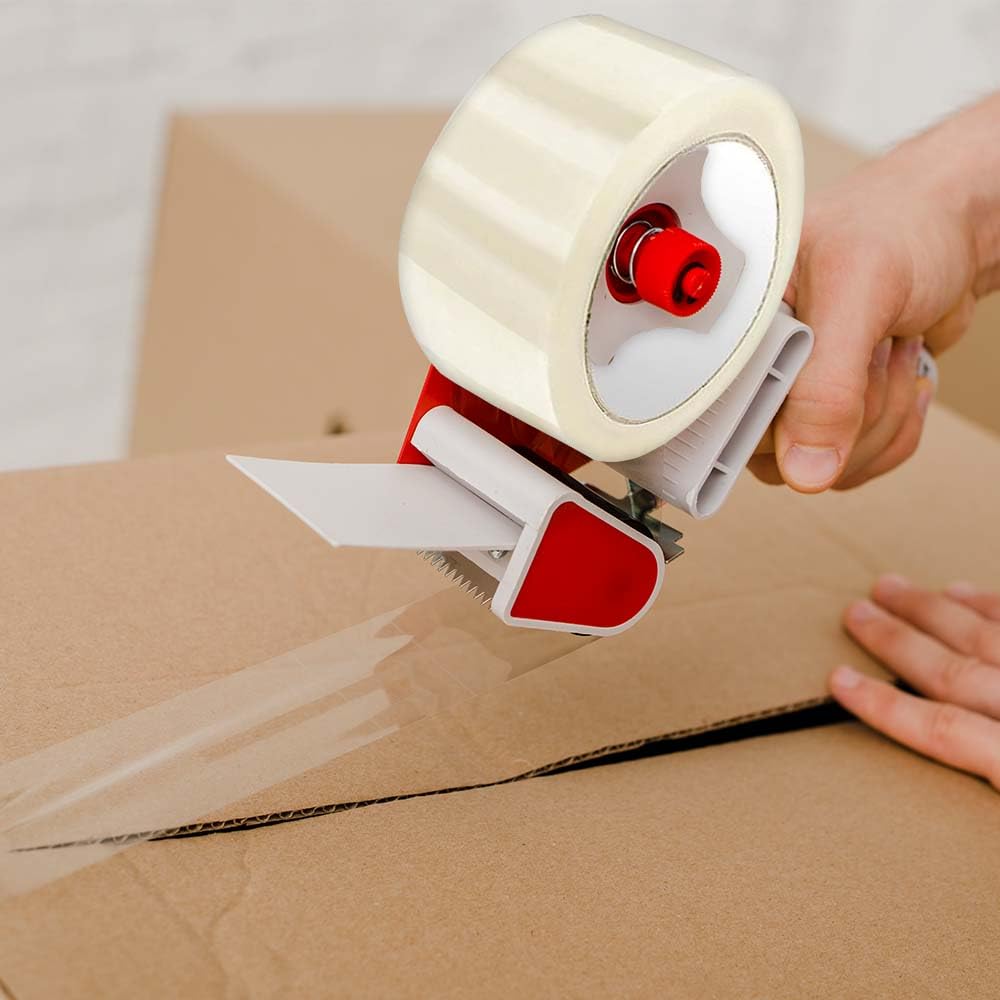
Jumbo BOPP Tape rolls are widely used by converters and distributors. Because jumbo BOPP Tape rolls contain large volumes of adhesive material, proper storage is even more critical.
Below are the best practices for maintaining jumbo BOPP Tape roll performance.
The ideal storage temperature for BOPP Tape is between 18°C and 25°C (64°F–77°F).
| Temperature Range | Impact on BOPP Tape |
|---|---|
| Below 10°C | Adhesive becomes rigid, reduced tack |
| 18°C–25°C | Optimal performance of BOPP Tape |
| Above 35°C | Adhesive softening, deformation risk |
Consistent temperature control ensures that BOPP Tape maintains stable adhesive viscosity. Warehouses storing BOPP Tape should use climate monitoring systems to prevent fluctuations.
Humidity levels should remain between 40% and 60% relative humidity. High humidity can affect BOPP Tape adhesive chemistry over time.
To protect BOPP Tape:
Use dehumidifiers in storage areas
Avoid storing BOPP Tape near open doors
Keep BOPP Tape away from damp floors
Proper humidity management significantly extends the shelf life of BOPP Tape.
UV radiation accelerates polymer breakdown in BOPP Tape. Even indoor fluorescent lighting can gradually impact BOPP Tape over extended periods.
Best practices include:
Storing BOPP Tape in original cartons
Using opaque wrapping for jumbo BOPP Tape
Avoiding direct window exposure
Protecting BOPP Tape from light preserves clarity and tensile strength.
Dust contamination reduces adhesion efficiency of BOPP Tape. Clean storage conditions are essential.
Ensure:
Storage racks are clean
BOPP Tape cartons are sealed
No loose debris is present near BOPP Tape
Clean storage ensures reliable bonding when BOPP Tape is applied.
Correct positioning of BOPP Tape is often overlooked. Jumbo BOPP Tape rolls should be stored vertically on flat surfaces. Storing BOPP Tape horizontally may cause:
Edge deformation
Uneven adhesive distribution
Core collapse
Small rolls of BOPP Tape should remain in their packaging until use.
Stacking recommendations:
Do not stack BOPP Tape pallets excessively high
Use pallet racking systems
Avoid compressing BOPP Tape
Improper stacking can reduce the structural integrity of BOPP Tape.
Like all adhesive products, BOPP Tape has a recommended shelf life, typically 12–24 months depending on formulation.
Use the FIFO (First In, First Out) system:
Label incoming BOPP Tape
Track manufacturing dates
Regularly inspect older BOPP Tape
Rotating stock ensures that BOPP Tape is used within its optimal performance window.
Different types of BOPP Tape may require slightly different storage considerations.
Acrylic BOPP Tape is known for UV resistance and long-term aging performance. However, acrylic BOPP Tape is more sensitive to low temperatures. Before application, acrylic BOPP Tape stored in cold environments should be acclimated for 24 hours.
Hot melt BOPP Tape offers strong initial tack. However, hot melt BOPP Tape is more sensitive to high heat. Excessive storage temperatures may cause blocking or adhesive bleeding in hot melt BOPP Tape.
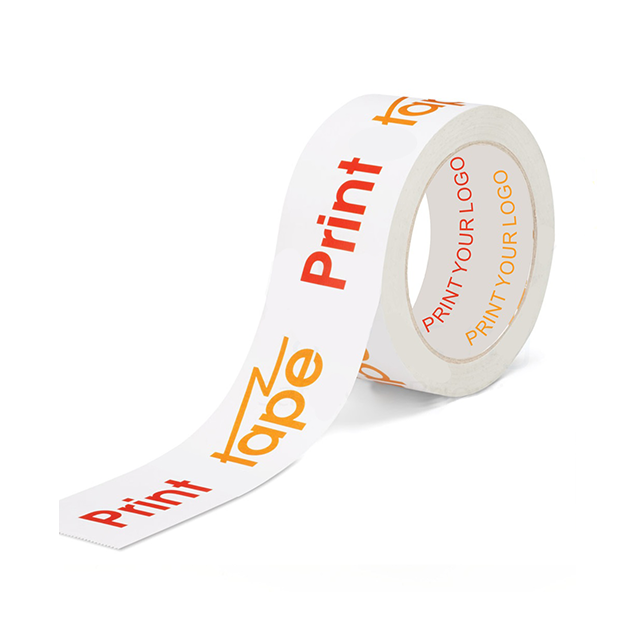
Printed BOPP Tape is often used for branding and security sealing. For printed BOPP Tape, avoid:
High UV exposure (prevents ink fading)
Excessive pressure stacking (prevents print transfer)
Low-noise BOPP Tape is commonly used in e-commerce fulfillment centers. Proper storage ensures the film retains flexibility, which is essential for quiet unwinding of BOPP Tape.
Avoid these common errors:
Leaving BOPP Tape near loading docks
Exposing BOPP Tape to seasonal temperature swings
Stacking heavy materials on BOPP Tape
Removing BOPP Tape from protective packaging too early
Ignoring shelf-life tracking of BOPP Tape
Each of these mistakes can reduce the effectiveness of BOPP Tape and increase packaging failure rates.
Use this checklist to ensure optimal BOPP Tape storage:
Maintain temperature between 18°C–25°C
Keep humidity between 40%–60%
Store BOPP Tape away from sunlight
Keep BOPP Tape in original packaging
Implement FIFO rotation
Monitor environmental data regularly
Inspect BOPP Tape condition monthly
This systematic approach guarantees consistent BOPP Tape performance.
Proper storage is essential for maintaining the adhesive strength, tensile integrity, and overall performance of BOPP Tape. Environmental factors such as temperature, humidity, light exposure, and contamination significantly influence how well BOPP Tape performs over time.
By controlling storage conditions, protecting jumbo rolls, rotating inventory, and understanding the unique needs of different types of BOPP Tape, businesses can maximize efficiency and reduce packaging failures. In today's competitive logistics and e-commerce environment, maintaining the quality of BOPP Tape is not just about storage — it is about protecting brand reputation, reducing waste, and ensuring operational reliability.
When handled and stored correctly, BOPP Tape can retain near-original adhesive performance for extended periods, delivering consistent sealing strength and cost efficiency.
The ideal storage temperature for BOPP Tape is between 18°C and 25°C. This range ensures optimal adhesive performance of BOPP Tape.
Most BOPP Tape products have a shelf life of 12–24 months when stored properly under controlled conditions.
Yes, BOPP Tape can lose adhesion if exposed to extreme heat, humidity, or UV light. Proper storage preserves BOPP Tape stickiness.
Yes, jumbo BOPP Tape rolls should be stored vertically to prevent deformation and maintain even adhesive distribution.
High humidity can reduce the bonding strength of BOPP Tape, especially acrylic-based BOPP Tape, so controlled humidity is recommended.
By following these guidelines, businesses can ensure that every roll of BOPP Tape delivers long-lasting adhesion and reliable packaging performance.


