
- Home
- Adhesive Tapes
- Self-adhesive Label
- Label Jumbo Roll
- Solutions
- About Us
- News & Insight
- Resources
- Contact Us


Views: 0 Author: Site Editor Publish Time: 2026-04-21 Origin: Site


We have all experienced this scenario. You invest significant time and capital into a fresh painting project. You carefully apply your selected colors. Then you peel back the protective barrier. Suddenly, you find jagged lines, heavy paint bleed, or damaged drywall underneath. This common frustration ruins otherwise flawless execution.
Achieving razor-sharp lines does not just depend on buying premium supplies. Instead, it requires a highly systematic approach. You must carefully select the right Adhesive Tapes for your specific substrate. You also need meticulous surface preparation, mechanical sealing techniques, and precise removal timing.
Let us clear up a common misconception immediately. No tape on the market remains inherently "bleed-proof" right out of the packaging. Success depends entirely on your implementation technique. You need to understand the chemical and physical limits of the adhesive. In this guide, you will learn exactly how to prep, apply, seal, and remove your barriers to guarantee pristine edges every single time.
Selection: Matching the tape’s tack level to the surface material is the primary variable for preventing substrate damage.
Preparation: Micro-debris and residual moisture are the leading causes of adhesion failure.
Sealing (The Hack): Mechanical pressure (burnishing) and chemical sealing (the "bleed line" technique) are mandatory for 100% crisp edges.
Removal Protocol: Tape must be removed when paint is dry to the touch but not fully cured, using a 45-degree angle technique.
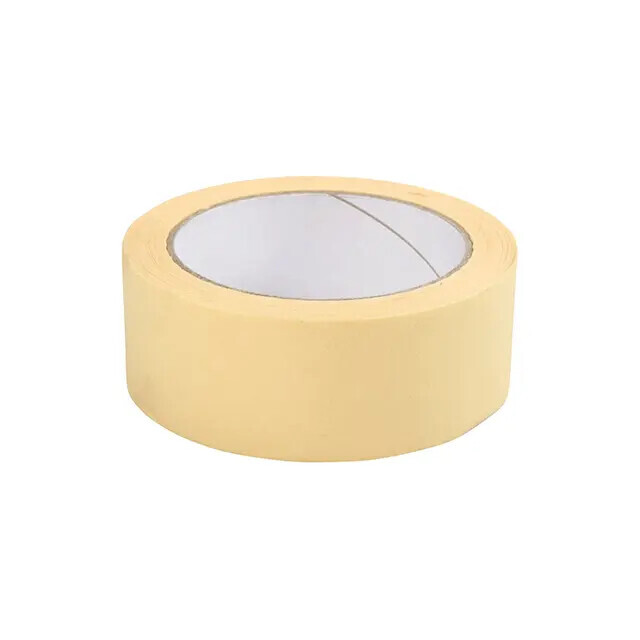
Not all rolls perform the same job. Many beginners grab whatever product sits closest on the hardware store shelf. This mistake often leads to disastrous results. You must break down the functional differences within the broader category of painter's supplies.
For example, standard Masking Tape utilizes a crepe paper base. It features extremely high tack. However, it easily leaves behind a stubborn, sticky residue. Conversely, specialty painter's tapes offer UV resistance. They also provide variable tack levels tailored to specific environments.
You must match product features to your desired project outcomes. Using the wrong adhesive strength damages underlying materials. Below is a detailed evaluation table to guide your selection.
Surface Type | Examples | Required Tack Level | Expected Outcome |
|---|---|---|---|
Vulnerable Surfaces | Fresh drywall, delicate wallpaper, uncured paint | Low-Tack / Delicate | Prevents peeling or tearing the fragile substrate upon removal. |
Standard Surfaces | Fully cured painted walls, sealed wood trim, metal frames | Medium-Tack / Multi-Surface | Offers the best balance of reliable holding power and clean release. |
Rough / Textured Surfaces | Exposed brick, heavy stucco, poured concrete | High-Tack / Highly Conformable | Bridges deep gaps and adheres firmly to uneven physical profiles. |
A major implementation risk involves project duration. Never use standard utility versions for multi-day painting projects. Direct sunlight and ambient UV exposure cause chemical changes. The UV rays essentially bake the adhesive polymers directly into the surface.
This baking process creates severe residue upon removal. You might spend hours scraping off sticky glue. This often damages the trim you tried so hard to protect.
Always guide your purchasing decisions using two primary factors. First, assess the surface fragility. Second, estimate your expected project duration. Manufacturers clearly label their products with clean removal ratings. You will typically see 14-day or 60-day guarantees.
If you plan to paint on weekends over a month, buy the 60-day rated product. If you are painting over freshly laid wallpaper, purchase the delicate low-tack option. Aligning your supplies with these physical realities prevents unnecessary rework later.
Skipping surface preparation remains the most common error in DIY painting. Experienced professionals know prep work dictates the final outcome. In fact, neglecting the substrate is the root cause of 90% of adhesion failures.
Paint bleed happens through microscopic gaps. Dust, pet hair, and human finger oils create these tiny voids. When a barrier sits on top of dust, it cannot form a flush seal against the wall. Liquid paint easily finds these channels through capillary action.
You must eliminate all contaminants before applying any adhesives. Follow this systematic approach for proper preparation:
Dry Dusting: Use a dry microfiber mop or cloth to knock down loose cobwebs and heavy dust from the walls.
Degreasing: Wipe down baseboards, window trims, and door frames using a barely damp microfiber cloth. For kitchens or high-traffic areas, use a mild degreaser to cut through airborne cooking oils.
Drying Time: Allow the area to air dry completely. You can use a fan to accelerate this step.
Crucial Caveat: The surface must be completely dry before application. Trapped moisture chemically neutralizes the adhesive backing. If you apply your strips over a damp trim, they will peel off within minutes.
Many internet tutorials promote a flawed technique. They suggest wiping the applied strips with a wet rag to "activate" the glue. This claim is entirely false. Moisture does not chemically activate modern acrylic or rubber adhesives.
Instead, the damp rag merely acts as a friction aid. It allows your hand to slide smoothly over the paper. This helps you press it down. However, introducing water near the edge actually increases the risk of lifting. You should rely on proper mechanical pressure instead of water.
Proper application requires physical control. Many people pull the roll aggressively across a room. They try to cover an entire baseboard in one continuous motion. This approach introduces massive tension into the material.
We strongly advise against pulling tightly over long distances. Stretching causes the paper backing to stretch out of shape. Over a few hours, the material attempts to return to its original length. This recoil forces the edges to lift away from the wall.
Instead, use shorter, overlapping segments. Work in manageable 12-to-18-inch sections. Lay down one segment, overlap the next piece by an inch, and continue. This eliminates internal tension. It also grants you significantly better straight-line control.
Simply running your thumb over the edge is insufficient. Finger pressure cannot force the adhesive into the microscopic pores of the wall. You must employ mechanical sealing, also known as burnishing.
Grab a clean, flexible putty knife.
Alternatively, use the smooth edge of an old credit card.
Drag the tool firmly along the edge where the paint will meet the paper.
Apply enough pressure to physically press and seal the profile into the substrate.
Burnishing flattens the micro-crevices. It creates a physical blockade against creeping liquids.
Sometimes, heavy textures defeat even the best burnishing efforts. Heavily textured walls, like knockdown or orange peel, present massive gaps. For these scenarios, you must use chemical sealing. Professionals call this the "bleed line" technique.
This method feels counter-intuitive but proves foolproof. After applying and burnishing your strip, paint over the edge using the existing base color. If you are painting a red wall over a white baseboard, paint the edge with the white baseboard paint.
The Outcome: You intentionally allow the base color to bleed under the edge. The base color fills and seals all remaining micro-voids. Once this base coat dries, the microscopic tunnels are permanently blocked. You then apply your contrasting topcoat. The new color simply cannot penetrate the sealed barrier. You achieve an absolute zero-bleed line upon removal.
Your application tool dramatically changes how liquids interact with the barrier. The fluid dynamics of a loaded brush differ greatly from atomized spray particles. You must adapt your technique based on your chosen equipment.
When using a brush or a roller, thickness control becomes your primary concern. You must keep the paint film incredibly thin at the junction line.
Avoid pushing heavy amounts of liquid directly against the paper wall. Doing so creates a thick, raised ridge of paint. When this ridge dries, it forms a solid bridge connecting the wall to the paper. Removing the strip will crack and chip this thick bridge.
Instead, "feather" the liquid softly over the edge. Apply the bulk of your material an inch away. Then, lightly drag a relatively dry brush toward the boundary. This creates a microscopic, tapered film that shears cleanly later.
Airless sprayers and HVLP guns require precise directional control. Atomized particles travel at high velocities. They easily force their way under weak seals.
Always keep your spray nozzle perpendicular to the wall. Maintain a strict 90-degree angle relative to the barrier line. Spraying at an upward or downward angle introduces severe implementation risks. An angled trajectory shoots atomized particles directly underneath the paper edge.
We advocate for multiple, ultra-light passes. Never attempt a single heavy coat when spraying near boundaries. Heavy coats lead to pooling at the barrier. Light coats dry quickly and lock the edge without creeping.
Comparison Chart: Application Dynamics
Application Method | Primary Risk Factor | Angle Requirement | Mitigation Strategy |
|---|---|---|---|
Brushing / Rolling | Thick paint ridges forming a solid bridge. | Parallel strokes along the edge. | Feather the paint softly. Keep the film thin at the junction. |
Airless Spraying | High-velocity particles blowing under the edge. | Strictly 90 degrees (Perpendicular). | Use multiple ultra-light passes. Avoid angled spraying. |
The final step often causes the most anxiety. You executed perfect preparation and application. Now, you face the timing dilemma. Removing the barrier incorrectly undoes all your hard work.
Evaluation of the drying state is critical. If you pull too early, disaster strikes. Wet paint smears across the clean trim. It drips and creates a massive cleanup job. The liquid lacks the structural integrity to hold a straight line.
Conversely, if you wait too late, you face a different disaster. Fully cured paint binds tightly to the paper backing. It forms a unified plastic sheet. When you pull the paper, you tear the new finish directly off the drywall. You will leave behind ugly, jagged patches.
You need the perfect middle ground. The optimal removal window occurs when the finish is "dry to the touch but not cured." The water or solvents have evaporated. The surface feels dry if lightly tapped. However, the internal chemical cross-linking remains incomplete. The film remains pliable.
This window typically opens 1 to 2 hours after your final coat. However, you must adjust this timeline based on room humidity and temperature. High humidity extends the wait time. Warm, dry rooms accelerate it.
Physical execution matters just as much as timing. Never grab the end and yank it away perpendicularly. This puts massive stress on the fresh finish.
Instead, peel it slowly. Pull the material back over itself at a tight 45-degree angle. Keep your hand close to the wall. This angle forces the edge to act like a blade. It cleanly shears the semi-dry paint film. It leaves a razor-sharp boundary behind.
Troubleshooting Protocol
What happens if you left the house, and the wall cured overnight? Do not panic. Do not force the pull.
If you feel resistance during removal, stop immediately. Resistance indicates the paint has fully cured and bridged over the gap. Continuing to pull will rip the drywall paper. You must manually break the bond.
Take a sharp utility knife or craft blade. Lightly score the exact corner where the wall meets the trim. You do not need to cut deeply. You only need to slice through the microscopic top film. Once you break the surface tension with the blade, continue pulling at your 45-degree angle.
Achieving clean paint lines depends on more than simply choosing a tape. It requires the right adhesive strength, careful surface preparation, proper edge sealing, and timely removal. For painting, masking, and surface protection projects, choosing suitable adhesive tapes helps reduce paint bleed, peeling, and costly rework. JUTU provides adhesive tape solutions through www.jutulabel.com, supporting users who need reliable tapes for surface protection, painting preparation, and general bonding applications. With the right product selection and correct application method, every project can achieve sharper edges and more professional results.
A: Standard versions use crepe paper with highly aggressive adhesives. They easily leave sticky residue behind. Blue painter’s tape uses specialized acrylic adhesives. It resists UV light and offers distinct tack levels. This ensures clean removal even after 14 or 60 days on a wall.
A: Taping popcorn ceilings proves difficult due to massive gaps. Use a wide, low-tack product. You must combine this with the bleed-line technique. Paint the edge with a clear matte sealant. Alternatively, abandon sticking it entirely and use a rigid plastic cutting-in shield.
A: Yes, you can leave it applied between successive layers. However, the bottom layers may fully cure before you finish the final topcoat. If this happens, a thick bridge forms. You must lightly score the edge with a sharp craft blade before final removal.


