
- Home
- Adhesive Tapes
- Self-adhesive Label
- Label Jumbo Roll
- Solutions
- About Us
- News & Insight
- Resources
- Contact Us

Views: 0 Author: Site Editor Publish Time: 2026-04-23 Origin: Site


Walking into a hardware store presents a confusing wall of paper-backed tapes. Grabbing the cheapest roll might seem like a smart, economical move. However, this quick decision often triggers a cascade of expensive project failures. A widespread misconception assumes all paper tapes are entirely interchangeable. This is functionally false. Using the wrong tape inevitably causes irreversible surface damage. You might face severe paint bleed, stripped drywall, and costly rework.
Standard and painter's tapes both belong to the crepe paper family. Yet, their chemical makeup serves entirely different purposes. Manufacturers design their adhesive formulations to solve highly specific environmental challenges. We will evaluate these options across three critical dimensions. We will analyze adhesion strength, clean removal time, and chemical resistance. This comprehensive guide helps you choose the exact tape your project demands.
Categorical Hierarchy: All painter’s tape is technically a specialized type of masking tape, but standard masking tape should rarely be used for painting.
Adhesive Strength: Standard masking tape relies on high-tack adhesives for immediate holding power, while painter’s tape uses low-tack, UV-resistant adhesives for clean, residue-free removal.
Functional Integrity: Painter's tape repels water and resists paint chemicals; standard masking tape absorbs moisture, leading to wrinkling, collapsing, and paint bleed.
Cost-Efficiency Strategy: Professionals often use a hybrid approach—painter's tape for the critical paint line and standard masking tape to secure heavy drop cloths to the painter's tape.
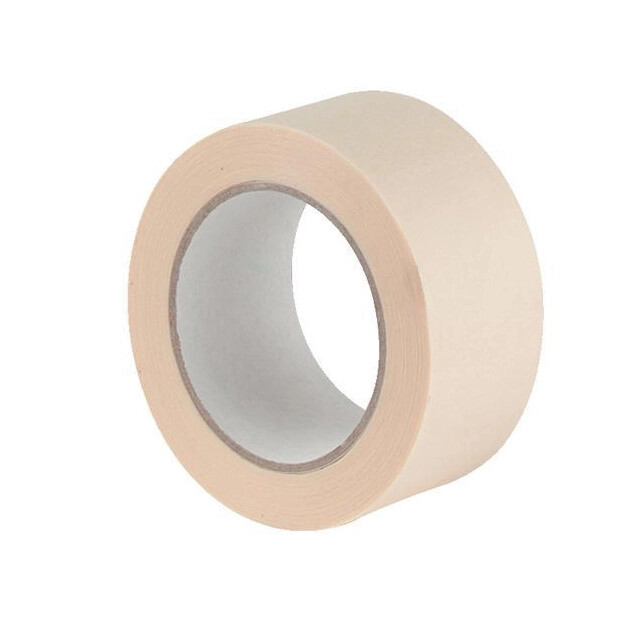
Understanding product terminology solves half the battle. Think of the "all squares are rectangles" rule. "Masking tape" operates as a broad, umbrella category. It encompasses various Adhesive Tapes characterized by specific physical traits. They feature a thin, easy-to-tear paper backing. They also utilize a pressure-sensitive adhesive. You apply pressure, and the tape bonds to the surface. Therefore, painter's tape is technically a masking tape. However, standard masking tape is never painter's tape.
We must look at their historical evolution to understand this divide. Engineers invented standard masking tape in the 1920s. They designed it for the booming automotive industry. Car manufacturers needed a quick, aggressive hold for two-tone paint jobs on metal. Surface delicacy was not a primary concern. The tape prioritized high tack and immediate grip.
Decades later, the architectural and interior design industries faced a massive problem. Applying automotive-grade tapes to drywall, wallpaper, or cured wood caused disasters. The tape ripped off finishes. It left behind a sticky, hardened residue. Manufacturers formulated painter's tape specifically to solve this issue. They engineered new adhesives to prevent surface damage. They eliminated adhesive residue entirely.
Selecting the right product requires a structured evaluation. You cannot judge a tape merely by its color or price. You must evaluate it across three distinct performance dimensions. This framework ensures you match the physical properties to your project requirements.
Adhesion strength, often called "tack," determines how aggressively the tape grips a surface.
Standard: This tape features a high-tack adhesive. Manufacturers design it for aggressive gripping power. It bonds strongly to resilient, porous surfaces. You can confidently use it on thick cardboard, concrete, or unfinished wood. It holds tightly and resists accidental peeling.
Painter's: This tape utilizes a low-to-medium tack adhesive. It adheres reliably but refuses to bond permanently. You apply it to delicate surfaces safely. It protects drywall, glass, and previously cured paint. It grips enough to stop drips but lets go easily.
Dwell time indicates how long a tape can sit before the adhesive degrades.
Standard: You must remove this tape within hours of application. It lacks environmental stabilizers. Leaving it overnight is dangerous. The adhesive rapidly cures to the underlying surface. Removing it later leaves stubborn residue. It will likely peel the underlying surface material away.
Painter's: Engineers design this tape for extended dwell times. Premium brands explicitly rate their products for specific durations. You will typically see ratings between 14 to 60 days. You can leave it on a window frame for weeks. It will still remove cleanly with zero residue.
Tape must survive direct contact with liquid chemicals. Paint contains water or aggressive solvents. These liquids actively attack paper products.
Water-Based Paints: Standard tape lacks water resistance. The paper backing eagerly absorbs moisture from latex paints. This absorption causes the tape to swell and wrinkle. Wrinkles create tunnels. Paint seeps underneath these tunnels immediately. Conversely, painter’s tape features a treated, water-repellent surface. It stays flat and maintains a tight seal.
Oil-Based Paints: Solvents in oil paint are highly aggressive. They rapidly degrade the natural rubber adhesive found in standard tape. The solvent literally melts the glue into the wall. Painter's tape relies on synthetic, chemically formulated adhesives. It resists solvent breakdown effortlessly.
Comparison Chart: Tape Specifications
Feature Dimension | Standard Tape | Painter's Tape |
|---|---|---|
Adhesive Tack Level | High (Aggressive Grip) | Low to Medium (Delicate Grip) |
Clean Removal Time | Under 24 Hours | 14 to 60 Days |
Moisture Resistance | Poor (Absorbs water, wrinkles) | High (Repels water, stays flat) |
Solvent Resistance | Low (Adhesive melts) | High (Chemically stable) |
UV Light Resistance | None (Bakes onto glass) | High (Safe for sun exposure) |
Despite its flaws in painting, standard tape remains a crucial utility tool. You should view it as a structural holding product rather than a finishing tool.
Its primary advantage is economy. It costs significantly less than specialized painting products. Furthermore, it delivers a strong, immediate grip. It sticks instantly to dusty or uneven industrial surfaces. It boasts incredible versatility for non-sensitive applications. You can tear it easily by hand. You can write on it with any standard marker.
Professionals utilize this tape daily across multiple industries. Proper application maximizes its value while avoiding its drawbacks.
Labeling Inventory: Use it to mark boxes, bins, or warehouse materials. The paper absorbs ink quickly without smudging.
Securing Components: Bundle loose pipes, wires, or hardware parts together. Hold lightweight items securely during transit or storage.
Drafting and Crafts: Secure blueprints or sketches to drafting tables. The high tack keeps large paper sheets firmly anchored.
Heavy Duty Protection: Hold thick protective paper onto concrete floors. Secure heavy plastic drop cloths across large rooms. You must ensure the tape only touches raw floors or existing plastic.
You must establish strict boundaries for this product. Explicitly warn your team against using it on finished architectural elements. Never apply it to painted walls, varnished trim, or window glass. Sunlight bakes the adhesive onto glass within hours. You will spend hours scraping it off with a razor blade. Applying it to drywall guarantees adhesive transfer. Removing it will tear the delicate paper facing off the gypsum board.
When aesthetics matter, you transition to specialized formulas. You pay a premium for chemical engineering. This engineering protects your property and saves hours of touch-up labor.
This tape guarantees clean lines. It prevents surface damage entirely. Furthermore, it offers robust resistance to UV light. This UV resistance is absolutely crucial for window trims. It also protects outdoor siding projects from sun-baked adhesive failures.
Premium brands incorporate advanced micro-polymers into their tape edges. This technology seems like magic, but it relies on simple chemistry. These polymers actively react with the moisture found in latex paint. When wet paint touches the tape edge, the polymers instantly swell. This rapid expansion forms a microscopic physical barrier. It aggressively seals the gap between the tape and the wall. This barrier actively prevents any liquid from bleeding through. You achieve razor-sharp lines every single time.
Walking down the tape aisle reveals a rainbow of options. These colors do more than identify brands. They indicate specific adhesive strengths and ideal use cases.
Blue Tape: The Industry Standard
Blue tape serves as the workhorse for most interior projects. It signifies a medium adhesion level. You will use blue tape for 90 percent of your painting tasks. It performs perfectly on cured painted walls. It protects baseboards, woodwork, and metal frames reliably. It peels away cleanly after 14 days.
Green Tape: The Heavy-Duty Alternative
Green generally indicates a specialized, higher-adhesion formula. Manufacturers design green tape for rough, uneven, or heavily textured surfaces. Blue tape might fall off a textured ceiling or brick fireplace. Green tape features a thicker adhesive bed. It conforms to stucco, rough wood, and concrete. Despite its stronger grip, it still maintains the crucial clean removability you expect.
Large commercial projects require massive amounts of tape. Using premium products for every single hold destroys project budgets. Professional painters employ a strategic hybrid approach. They mix both tapes to maximize performance and minimize cost.
You can protect delicate surfaces without overspending. This method combines precision engineering with economical holding power. Follow these specific steps to execute the hybrid strategy.
Establish the Critical Line: First, run premium painter's tape directly along the critical edge. Apply it to baseboards, ceiling joints, or window frames. This establishes your sharp, bleed-free paint line. It also protects the delicate finish underneath.
Prepare the Protection Layer: Unroll your heavy protective plastic or thick masking paper. Position it to cover the floors or furniture.
Execute the Hybrid Hold: Do not use painter's tape to hold the heavy plastic. It lacks the aggressive tack needed for heavy weights. Instead, use cheaper standard tape. Apply the standard tape half onto the plastic, and half directly onto the back of the painter's tape. The standard tape never touches the wall. It only bonds to the protective plastic and the paper backing of the premium tape.
Your tape is only as good as the surface beneath it. You can buy the most expensive tape on the market. It will still fail if you skip surface preparation.
Emphasize this rule: no tape will work properly on a dusty or greasy wall. Homeowners frequently make this mistake. Baseboards collect thick layers of dust. Kitchen walls accumulate invisible cooking grease. If you apply tape without cleaning, the adhesive bonds to the dirt layer. It never actually touches the wall surface. When you brush paint against it, the paint easily slips under the loose dirt. You guarantee paint bleed and total failure. Always wipe down surfaces with a damp rag. Let them dry completely before applying any tape.
Masking tape and painter’s tape may look similar, but their adhesive chemistry and use cases are very different. Standard masking tape is better for labeling, bundling, and non-critical holding tasks, while painter’s tape is designed for sharp lines, clean removal, and surface protection. For users who need dependable tape materials across painting, packaging, and industrial work, JUTU provides a broad range of adhesive tape solutions at www.jutulabel.com. Understanding the difference between tape types allows buyers to reduce paint bleed, avoid surface damage, and choose the most cost-effective product for each task.
A: It is highly discouraged. Standard tape lacks moisture barriers and absorbs paint, causing severe edge bleed. It also utilizes aggressive adhesives that quickly cure to walls. If forced to use it, you must remove it immediately while the paint is still wet. However, the risk of surface damage and messy lines remains extremely high.
A: Yes, it frequently damages finished surfaces. Standard tape features high-tack rubber adhesives. When left for more than a few hours, the glue cures to the wall. Removing it often peels off the underlying paint or drywall paper. It also leaves a sticky, hard-to-remove residue that requires harsh chemical solvents to clean.
A: In specialized creative industries, "paper tape" refers to low-tack, matte finish tapes. Professionals use them on mixing consoles and stage floors. They share low-adhesion characteristics with painter's tape but offer unique benefits. They tear perfectly straight and feature non-reflective surfaces. Manufacturers engineer them for specific studio utility, cable management, and labeling, rather than liquid paint protection.


