
- Home
- Adhesive Tapes
- Self-adhesive Label
- Label Jumbo Roll
- Solutions
- About Us
- News & Insight
- Resources
- Contact Us


Views: 0 Author: Site Editor Publish Time: 2026-01-13 Origin: Site


Struggling with BOPP Tape that unravels mid-use? You're not alone.
In this guide, we’ll dive into the best tips to prevent BOPP Tape from unraveling easily. We’ll explore proper storage methods, application techniques, and handling advice to ensure your tape stays secure and effective. By the end, you’ll know how to maximize the performance and lifespan of your BOPP Tape for all packaging needs.
Proper storage is the first step in preventing BOPP Tape from unraveling. When you store the tape in its original packaging, you help protect it from external elements like moisture, dirt, and dust that can degrade its adhesive qualities. Storing it in a zip-top bag or sealed container further shields it from contaminants. This keeps the tape intact and ready for use whenever you need it, reducing the chances of it sticking to itself or becoming unusable.
Additionally, storing BOPP Tape in its original packaging ensures that the tape does not get tangled or caught on surrounding materials. It also prevents accidental exposure to heat or humidity, both of which can compromise its performance. Proper packaging also makes it easy to locate and retrieve the tape when required, streamlining your workflow.
BOPP Tape is sensitive to environmental factors like heat and humidity. For example, when stored in high heat, the adhesive becomes overly sticky, which can lead to tape sticking to itself and unrolling. Conversely, in humid conditions, moisture can weaken the adhesive, making it less effective at bonding with surfaces. This can result in the tape unraveling, leaving your packages insecure.
To prevent this, store BOPP Tape in a cool, dry place, away from direct sunlight. Ideally, the storage area should maintain a stable temperature and low humidity. This ensures that the tape maintains its quality and adhesive properties, helping to prevent unraveling and extending its shelf life.
Using a tape dispenser is one of the easiest ways to prevent BOPP Tape from unraveling during use. A tape dispenser allows you to apply the tape smoothly and with consistent tension, which helps avoid issues like wrinkles, tears, or uneven application. This is particularly important when working in high-volume packaging environments where time and efficiency are crucial.
The dispenser also helps prevent the tape from being over-stretched or pulled too quickly, which can cause the tape to become weak and prone to unraveling. Applying the tape smoothly, with consistent tension, ensures that it sticks well and remains secure for the long term.
A common problem faced during tape application is finding the edge of the tape without damaging the roll or causing it to unravel. When you pull the tape too aggressively, it can tear or cause the edge to stick to itself, making it difficult to use the tape properly.
To prevent this, use simple tools like flour, chalk, or even the flat side of a pencil to mark the edge of the tape without causing any damage. This allows you to quickly and easily grab the tape without disrupting its structure. Having the edge accessible and untangled ensures a smooth start when applying the tape, reducing the chances of it unraveling during use.
Tip: Invest in a high-quality tape dispenser to minimize tape mishandling during packaging operations. This small investment can reduce waste and increase packing efficiency.
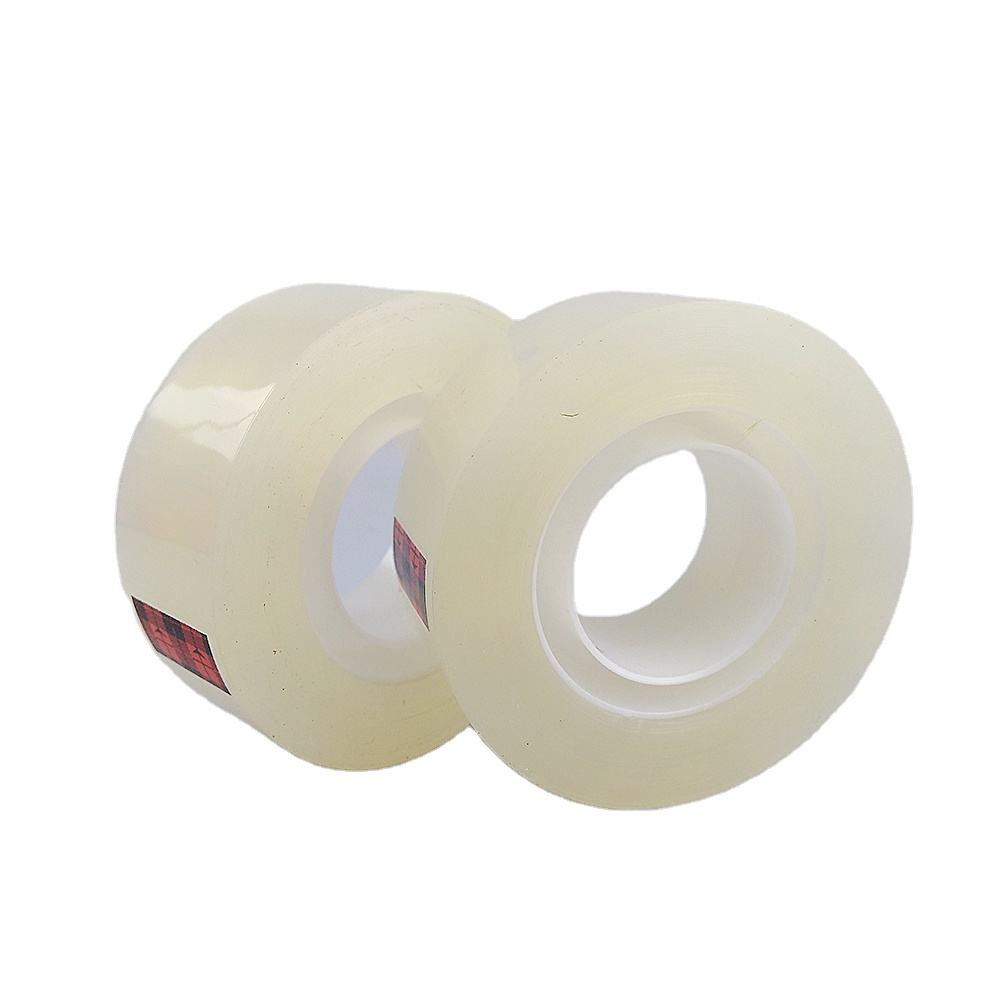
For the best adhesion, ensure the surface you are applying the tape to is clean and dry. Dust, grease, or moisture can significantly reduce the adhesive’s ability to bond with the surface, leading to peeling or premature unraveling. Before applying the tape, wipe down the surface thoroughly to remove any contaminants.
If the surface is particularly dirty, you may need to use a solvent or cleaner to ensure it is completely free from grease or oils. Applying tape to a properly prepared surface guarantees a stronger adhesive bond, which will prevent the tape from coming loose and unraveling prematurely.
Once the tape is positioned on the surface, applying smooth, even pressure is crucial. This step helps ensure that the tape adheres securely and eliminates any air bubbles or wrinkles that might compromise its performance. Uneven pressure can result in weak spots, leading to peeling or unraveling over time.
To apply the tape correctly, run your fingers or a roller along the entire length of the tape to ensure it sticks firmly. Consistent pressure also helps to create a strong, reliable seal, which is essential when securing boxes and parcels during shipping.
It’s tempting to stretch the tape in an attempt to apply it quickly, but this can actually weaken the adhesive and the backing. Stretching reduces its ability to hold, making it more prone to tearing or peeling off, especially during transit or handling.
Instead, apply the tape smoothly, with just enough tension to secure it firmly to the surface. This ensures that the adhesive remains intact and the tape holds up over time. By avoiding excessive stretching, you preserve the integrity of the tape and prevent unraveling.
One of the best ways to ensure a secure and long-lasting seal is to overlap tape strips slightly, especially on seams and edges. This reinforces the seal and provides a stronger bond, which reduces the chances of the tape lifting or unraveling at weak points. The overlap should be about half the width of the tape for maximum security.
If you’re sealing large cartons or heavy boxes, consider applying additional strips of tape along the seams to provide extra reinforcement. This is particularly important when shipping high-value or fragile items that need extra protection.
Edges and corners are often the weakest points in packaging. These areas are exposed to more handling and stress, which can lead to peeling or lifting of the tape. To prevent this, it’s important to reinforce the edges by applying additional tape or using extra adhesive in these areas.
Reinforcing the edges helps ensure that the package remains securely sealed during transit, preventing the tape from unraveling or loosening at the most critical points.
Table 2 — Key Application Tips for Preventing BOPP Tape from Unraveling
Tip | Why it helps |
Store tape properly | Prevents it from moisture and environmental damage |
Use a dispenser | Ensures smooth application and consistent tension |
Apply even pressure | Prevents bubbles and wrinkles for stronger adhesion |
Avoid stretching | Keeps the adhesive and backing intact for reliable seals |
Reinforce edges | Secures weak points and prevents peeling |
Note: Consistent application with smooth, firm pressure ensures the tape adheres well and remains intact.
When applying tape to rough or recycled cardboard, lightly sanding the surface can significantly improve adhesion. Sanding helps smooth out the surface, allowing the adhesive to bond more effectively, reducing the likelihood of the tape lifting or peeling off prematurely.
Choosing the right BOPP Tape is crucial for ensuring that your packaging remains secure throughout its journey. For heavier packages or packages exposed to harsher conditions, use thicker BOPP Tape with a stronger adhesive. Thicker tape with high tensile strength can better withstand the stresses of shipping and handling.
If you are working with lighter packages or those with less exposure to rough handling, standard BOPP Tape may suffice. Always evaluate your needs before choosing the tape, ensuring it provides the necessary durability.
Environmental factors like temperature fluctuations, humidity, and exposure to sunlight can all affect the performance of BOPP Tape. In hot climates, for instance, the adhesive may soften and lose its grip, while in cold environments, it could become brittle. Choose a tape designed to handle these conditions, such as acrylic-based adhesives for high-heat areas or rubber-based for cold storage.
Tip: Always test BOPP Tape on your actual packaging materials before full-scale application, especially in varying environmental conditions.
The weight of your carton is one of the most important factors when choosing BOPP Tape. For lighter cartons, standard BOPP Tape may suffice. However, for heavier boxes, especially those exceeding 15 kg, you should choose thicker tape with a higher tensile strength to ensure it will hold up during transit.
The width and thickness of the BOPP Tape are also essential factors to consider. A wider tape provides a more secure seal for larger cartons and better coverage for seams. Thicker tapes offer greater durability and are better suited for heavy-duty applications. Typically, for heavier shipments, 3-inch width BOPP Tape with a thickness of 2.5 mil or higher is ideal.
Depending on the environmental conditions, you might need a tape with a stronger adhesive. For cartons stored in cold environments or exposed to high humidity, acrylic-based adhesive BOPP Tape offers better performance. Hot-melt adhesives are ideal for fast packing lines but may not perform as well under extreme conditions.
The roll size affects how often you will need to change the tape, especially in high-volume packing operations. Larger rolls help reduce the frequency of changeovers, improving efficiency during packing. Ensure the roll size fits your dispenser for smooth, consistent application.
Table 3 — Tape Selection Based on Carton Weight and Environment
Carton Weight | Suggested Tape Thickness | Suggested Tape Width | Adhesive Type |
Light (under 5 kg) | 1.5–2.0 mil | 2 in | Hot-melt |
Medium (5–15 kg) | 2.0–2.5 mil | 2 in | Hot-melt or acrylic |
Heavy (15+ kg) | 2.5–3.0 mil | 3 in | Acrylic or rubber |
Extreme Conditions | 2.5–3.0 mil | 3 in | Acrylic |
Tip: Always confirm the tensile strength and elongation values to ensure optimal tape performance.
Preventing BOPP Tape from unraveling is all about proper storage, correct application, and choosing the right tape for your packaging needs. By following these tips, you can ensure that your tape stays intact during transit, reducing waste and avoiding costly packaging errors.
For reliable BOPP Tape and Adhesive Tapes that perform consistently, JUTU New Materials Technology Ltd. provides high-quality products designed to meet the most demanding shipping and packaging conditions. Their durable tapes ensure that your packaging stays secure, reducing rework and improving packing efficiency.
A: BOPP Tape is commonly used for sealing cartons, boxes, and parcels. Its durable adhesive and strong backing make it ideal for keeping packages secure during storage and shipping.
A: BOPP Tape can unravel due to improper storage, high humidity, or excessive stretching during application. Keeping the tape in a cool, dry place and using a dispenser can prevent this.
A: For heavy cartons, choose a thicker BOPP Tape with stronger adhesive. Ensure the tape has the required tensile strength to withstand the stress during transit and handling.
A: Yes, but it depends on the adhesive. Acrylic-based BOPP Tape performs well in temperature extremes, while hot-melt BOPP Tape is better for fast, standard applications. Choose based on your shipping conditions.
A: Ensure surfaces are clean and dry before applying BOPP Tape. Use proper application pressure and avoid stretching the tape. Reinforcing edges can also improve its durability and prevent unraveling.


